The Link Between Mouth and Body-Exploring Possible Links

KO6A8579-Edit

Lindsay Whitlock RDH


oral-perio-systemic

The oral cavity is recognized as a portal of entry for many infections that affect overall health; including both physical health and emotional health. Among these infections are two leading widespread dental diseases: caries (decay) and periodontal disease (gum disease). The consequences of decay in the oral cavity and periodontal diseases are profound and often times underestimated in context of their negative impact on one’s physical health. More studies are needed but some researchers suspect that bacteria and inflammation linked to periodontal disease play a role in some systemic diseases and or conditions. Research suggests that although periodontal disease starts as a local infection in the mouth, it is generally accepted that associated bacteria and toxins gain access to the body’s blood supply and travel throughout the body. This creates a systemic inflammatory response, which may increase the risk for: heart disease, pneumonia, and complications of diabetes and pregnancy. Although periodontal disease may contribute to these health conditions, it is critical to understand that just because two conditions occur at the same time does not necessarily mean one condition is the cause for another. Researchers are continuing to work hard to examine the affects of when periodontal disease is treated within individuals suffering with these various health problems.

figure_2

Periodontal Disease – What You Should Know

Periodontal disease is a chronic infection within the oral cavity caused by bacteria. It begins when specific bacteria in dental plaque produce harmful toxins and enzymes that irritate the gums. An inflammatory response occurs if dental plaque is not removed on a daily basis. Plaque that remains on teeth over a short period of time can irritate the gums making them red and likely to become tender and bleed. This condition is called gingivitis, which can lead to more serious types of periodontal diseases. Gingivitis can be reversed and gums kept healthy by removing dental plaque daily with oral hygiene routine as well as having your teeth professionally cleaned.

If gingivitis is allowed to persist, it can progress to periodontitis (periodontal disease), a chronic disease in the pockets around the teeth. Inflammation that results may be painless however, it can damage the attachment method of gum tissue and bone to the teeth. Consequently advanced periodontitis is linked with other health problems such as cardiovascular disease, stoke and bacterial pneumonia. Left untreated, teeth may eventually become mobile, fall out, or require removal by a dentist.

Given the link between periodontal disease and the systemic health problems, prevention is a critical step in maintaining overall health.

1. Brush your teeth twice a day for two minutes.

2. Clean between teeth with floss or another type of interdental cleaner once a day.

3. Eat a balanced diet and limit snacks.

4. Schedule regular dental checkups as recommended by your dental hygienist or dentist.

5. Tell your dentist about changes in your overall health.

Click this link that is presented by Listerine and Reach to watch a video further explaining the link between periodontal disease and our bodies.

https://www.youtube.com/watch?v=m-BGfwCoJJA

human

Images:

http://www.richmondinstitute.com/significance-behind-the-oral-systemic-connection

http://www.cvlsmiles.com/images/figure_2.jpg

http://smilesbygoh.com/wp-content/uploads/2013/11/human.jpg

“They are just baby teeth. So what does it matter”?

Peggy


Peggy Storr BSRDH

ad4

Many people think that dental care of baby (primary) teeth isn’t really necessary. They aren’t permanent teeth and they will be lost eventually. The truth is that as soon as those little teeth appear, they should be cleaned daily. A tiny smear of toothpaste should start about the age of 1, as should the first visit to the dentist. Many of the baby teeth will be in your child’s mouth until he or she is 13 years old.

Look in your child’s mouth. White spots or lesions are early signs of demineralization or decay of the teeth. These lesions can be reversed with proper homecare and administration of fluoride and or MI Paste.

imgres

www.recaldent.com

Early-Childhood-Caries1

http://www.babyorganics.co.id/general/dental-caries-on-children/

Decay (cavities or caries) in baby teeth is a serious health concern that is now known to be contagious. Dental decay is five times more common than asthma and seven times more common than hay fever in children. While decay in permanent teeth has declined, decay in baby teeth is increasing. Left untreated, cavities can lead to dental pain that can affect a child’s eating, speaking, and learning. It can lead to expensive treatment, malnourishment, disruption of growth and development, and may even cause life threatening infections. If the dentist simply pulls the decayed tooth, it can affect how the permanent teeth grow in. The space from the baby tooth must be preserved or the permanent teeth may erupt in a crowded and incorrect position.

Most people are surprised to learn that cavities are contagious. But bacteria, particularly Mutans Streptococci, are responsible for tooth decay and bacteria can be transmitted from one person to another. If mom cleans the baby’s pacifier by putting it in her own mouth, or shares a spoon, she can transfer bacteria to the baby. Being mindful of diet is a first step in prevention of tooth decay. Dipping a pacifier in honey or sugar is a bad idea, as is letting a child go to bed with a bottle of milk, juice, or anything other than water.

Chewy, sticky foods (such as dried fruit or candy) are best if eaten as part of a meal rather than as a snack. If possible, brush the teeth or rinse the mouth with water after eating these foods. Minimize snacking, which creates a constant supply of acid in the mouth. Avoid constant sipping of sugary drinks or frequent sucking on candy and mints. The sticky sour candies kids love so much are the worst as they stay in the mouth longer and cause significant increases in the acid that cause tooth decay.

Dental sealants can prevent some cavities. Sealants are thin plastic-like coatings applied to the chewing surfaces of the molars. This coating prevents the buildup of plaque in the deep grooves on these surfaces. Sealants are often applied on the teeth of children, shortly after the molars come in.

Fluoride is also recommended to protect against dental caries. People who get fluoride in their drinking water or by taking fluoride supplements have less tooth decay. Numerous studies report that products containing Xylitol decrease tooth decay. Gum or mints for children who are beyond the choking stage are recommended. Xylitol needs to be among the first three ingredients.

Dental disease can impact the total well-being of a child and is largely preventable.  So while they are “JUST BABY TEETH”, they are a vital consideration in the health of your child.  A healthy mouth contributes to the overall health every child.

Sources:

1. Ezer, Michelle, S, DDS, Swoboda, Natalie A DDS and Farkouh, David DMD, MS; Early Childhood Caries: The Dental Disease of Infants

2. Chow AW. Infections of the oral cavity, neck, and head. In: Mandell GL, Bennett JE, Dolin R, eds. Principles and Practice of Infectious Diseases. 7th ed. Philadelphia, Pa: Elsevier Churchill Livingstone; 2009:chap 60.

3. Sleeper, Laura J, RDH, MA and Gronski Ashley; The Benefits of Xylitol; http://Dimensionsofdentalhygiene.com/June 2014

4. http://www.thedentalleif.net

5. http:// twoothtimer.com

Vitamin D and Dental Health

Karen

Karen Kelley RDH

 images


I recently read two articles, the first by Dr. Richard Kim, a dentist who practices in New York City, and the second on the website doctorshealthpress.com. They both have information from a Boston study about the correlation of Vitamin D and Dental health. I was interested to learn that so many people have a deficiency of Vitamin D and how it can affect dental health.

This is a portion of Dr. Kim’s article:

“Medical researchers have long known that Vitamin D has many oral and overall health benefits, but there is growing concern that deficiency of this critical nutrient is more common than once thought. Understanding the benefits of Vitamin D, where it comes from and who is at risk for deficiency could make an important difference in your general and oral health.

Somewhere along the way you can probably remember being told to have plenty of calcium in your diet to build strong bones and teeth. Fortunately calcium is everywhere – readily available in many of the foods we all love like milk, cheese, ice cream and even commercially added to orange juice, breads and cereals. Perhaps you didn’t know that without Vitamin D, the body can’t absorb that calcium… no matter how much of it you swallow!

A diet lacking or low in vitamin D will contribute to a phenomena known as “ burning mouth syndrome”, symptoms of which can include dry mouth, a burning sensation of the tongue and oral tissues and a metallic or bitter taste. The condition is most common in older adults who, coincidentally, are frequently found to have a Vitamin D deficiency! Oral Health scientists have found that in addition to many general health benefits, Vitamin D helps to reduce inflammation in the body, which is widely known to have a direct impact on the development and severity of periodontal (gum and bone) disease. As a matter of fact, according to a study published in the Journal of Dentistry (1) among 6700 research participants, those who had the highest blood levels of Vitamin D were about 20% less likely to have gum disease.

Vitamin D is produced naturally by the human body when skin is exposed to sunlight, but more often than not people choose to protect themselves from the harmful effects of ultraviolet rays. Sunscreen and protective clothing may prevent getting enough vitamin D from the sun; and deficiency is common among people who live in northern latitudes or other areas that receive limited sunlight. Up to 50% of older adults have inadequate Vitamin D levels, perhaps partly due to decreased outdoor activity and sun exposure.

Although it is a rule of thumb that the best source of nutrients is a natural one, Vitamin D supplements are readily available over the counter and routinely recommended to individuals at risk for deficiency. Do you have unexplained body or mouth symptoms? Could you be at risk … or have you been recently diagnosed with low Vitamin D levels? Your doctor and dental professional can advise you about the benefits of a supplement, and a recent discovery of Vitamin D deficiency is a good reason to schedule your regular dental checkup.

1. Journal of Dentistry (2005), 33:703–10.”

NTA-26132-2

From the doctorshealthpress site:

Vitamin D isn’t just for your bones anymore.

This versatile vitamin is now showing promise in the fight against gum disease as well. According to a new study, vitamin D has both anti-inflammatory and immunomodulatory properties. (This means that it can reduce inflammation and boost your body’s ability to fight off infections.) It appears that people who have more vitamin D in their bodies run a lower risk of contracting gum disease.

The Boston-based study looked at 6,700 people who had never smoked before. They examined the gums and teeth of these people and compared their vitamin D status to the health and inflammation of their gums. Adjusting for age, previous dental work, dental hygiene, and other factors, it was found that people who had a higher intake of vitamin D also had overall healthier gums.

In fact, those who had the highest levels of the vitamin in their body reduced their risk of bleeding during oral examination by 20% when compared to patients who had the lowest intake of vitamin D.

So, if you thought this power-packed vitamin was only good for helping your bones, you were wrong. The evidence speaks for itself — vitamin D plays a double role. It acts as an anti-inflammatory and it may just help you walk out of your next dental appointment with less pain and bleeding.

So ensure that you allow your body to produce enough vitamin D. It’s a good reason to get just a few minutes of sun at least three times a week. Make sure you don’t overdo it, unless you are wearing sunscreen. If you can’t get outside, at least try taking a supplement in order to help you get all you need of this wonderful nutrient.

http://www.doctorshealthpress.com/food-and-nutrition-articles/vitamin-d-is-good-for-your-gums-too

After reading these articles, I started doing some of my own ‘research’. I began asking my patients who generally had good overall brushing and flossing habits, not stellar, but good, who’s gums generally looked healthy, but when I was scaling (cleaning) their teeth, they bled more than they should if their gums were truly healthy. (Healthy gums shouldn’t bleed!) Most of the patients that I asked told me they had been diagnosed with low Vitamin D levels! This was very interesting to me. I did some other reading about Vitamin D deficiency and found how common it is. It’s interesting to me that anyone living in the “Valley of the Sun” could be deficient in Vitamin D, but it actually is common.

I also found this article on Web MD entitled:

Keep That Smile! Calcium and Vitamin D Prevent Tooth Loss

“If you’re supplementing your diet with calcium and vitamin D to prevent bone loss, you may be more likely to hang onto your pearly whites, according to a report at this week’s meeting of the American Society for Bone and Mineral Research in Toronto. Even so, older adults need to floss their teeth and see the dentist regularly because with increased age come increased risks for losing teeth.

“Studies have shown that calcium and vitamin D decrease bone loss in the hip and forearm, but we weren’t sure if they had an effect on tooth loss,” says lead author Elizabeth Krall, MPH, PhD, a researcher at Boston University Dental School and Tufts University Nutrition Research Center. “Now we know that supplementation may also improve tooth retention, along with routine dental care and good oral hygiene,” she tells WebMD. To explore the role of supplementation on tooth retention, the researchers followed more than 140 older adults for five years. Participants took either a placebo or 500 mg of calcium plus 700 units of vitamin D daily for three years. Both during and after the trial, their teeth were examined periodically. For those who took supplements, the likelihood of losing one or more teeth was 40% less, even two years later.” ( http://www.webmd.com/oral-health/news/20000927/keep-that-smile-calcium vitamin-d-prevent-tooth-loss)

Anything that gives our patients a 40% less chance of losing a tooth and 20% less gums disease and bleeding during their dental visits is certainly worth looking into further. If a person is low in Vitamin D, it is an easy thing to implement a supplement or sun into a daily routine. The National Institute of Health recommends 10 to 15 minutes of outdoor activity two times a week to get enough Vitamin D. They also suggest for areas where they don’t have as much sun as we do, that vitamin D can be received by consuming milk, eggs, and fish. The Vitamin Council gives further instructions to individuals with periodontal (gum) disease. The Council says for someone with gum disease they may want to consider taking measures to raise their vitamin D blood levels to 40 ng/mL (100 nmol/L). They also suggest moderate UVB exposure (without sunburn) but additionally recommend oral intake of vitamin D and calcium supplements.

If you’re over 50 and have some symptoms of gum disease, ask your MD what your Vitamin D levels are now (they can do a simple blood test) and what you should be doing to raise your Vitamin D to an acceptable level.

vitamin-d


Keep smiling, Karen Kelley R.D.H.


Sources:

http://www.vitamindcouncil.org/health-conditions/periodontal-disease/

http://www.ncbi.nlm.nih.gov/pmc/articles/PMC3768179/

http://www.easy-immune-health.com/Vitamin-D-and-Teeth.html

http://www.doctorshealthpress.com/food-and-nutrition-articles/vitamin-d-is-good-for-your-gums-too

http://nydentallife.wordpress.com/author/nydentallife/

Photos:

www.hayleyhobsonblog.com

https://www.google.com/search?q=vitamin+d&rlz=1C1CHFX_enUS566US566&espv=2&source=lnms&tbm=isch&sa=X&ei=u8OkU73hM4PfoATSoYKACA&ved=0CAgQ_AUoAw&biw=1366&bih=600#facrc=_&imgdii=_&imgrc=iGoDW3mN-d0KYM%253A%3Bw3KmMBNAyyu8KM%3Bhttp%253A%252F%252Fimages.iherb.com%252Fl%252FNTA-26132-2.jpg%3Bhttp%253A%252F%252Fwww.iherb.com%252FNature-s-Answer-Vitamin-D-3-Drops-4000-IU-15-ml%252F20745%3B1600%3B1600

https://www.google.com/search?q=vitamin+d&rlz=1C1CHFX_enUS566US566&espv=2&source=lnms&tbm=isch&sa=X&ei=u8OkU73hM4PfoATSoYKACA&ved=0CAgQ_AUoAw&biw=1366&bih=600#facrc=_&imgdii=_&imgrc=cPEdvNM6b8bQsM%253A%3B9Er0cRfKFm8AnM%3Bhttp%253A%252F%252Ffibrotv.com%252Fblog%252Fwp-content%252Fuploads%252F2012%252F09%252Fvitamin-d.gif%3Bhttp%253A%252F%252Ffibrotv.com%252F2012%252F09%252Fthe-magnesium-and-vitamin-d-connection-that-most-people-do-not-know%252F%3B348%3B320

https://www.google.com/search?q=vitamin+d&rlz=1C1CHFX_enUS566US566&espv=2&source=lnms&tbm=isch&sa=X&ei=u8OkU73hM4PfoATSoYKACA&ved=0CAgQ_AUoAw&biw=1366&bih=600#facrc=_&imgdii=_&imgrc=cuDcsvoTpITxxM%253A%3BUQF-LZtVo8kWsM%3Bhttp%253A%252F%252Fwww.hayleyhobsonblog.com%252Fwp-content%252Fuploads%252F2013%252F01%252FvitaminD.jpg%3Bhttp%253A%252F%252Fwww.hayleyhobsonblog.com%252Fwhat-do-you-really-know-about-vitamin-d%252F%3B400%3B394

How to help with braces cuts or sores?

Kara


Kara Johansen BSRDH

If you have ever had braces you know that there are many annoying side effects of working towards a beautiful, healthy, straight smile. Often orthodontic problems that can be taken care of at home before you can make it to your orthodontist office. Here is a list of tips to help the fellow brace face 🙂

Newly tightened braces-

Each time you get your braces tightened it means one step closer to removing them. However, it does make your teeth ache. They can be sore for 3-5 days. One study stated that 91% of adolescents had tooth discomfort during the process of having braces. (1)

  • Before you go into have your teeth adjusted it has been suggested to take an ibuprofen. Remember to only take the medication as directed on the bottle. Take the ibuprofen with milk or food to avoid a stomach ache.
  • After the appointment stick with soft foods like soup or smoothies. Some have said that cool foods feel good on newly tightened teeth.
  • One study stated that chewing sugar free gum after the procedure can cause relief. Aspergum, which is a gum with a little bit of aspirin had a good response in pain reduction. (2)

Sores from braces

A common side effect of braces are cuts in the cheek or canker sores.

  • A warm salt water rinse works wonders. Put a teaspoon of salt into a warm glass of water then swish and spit.
  • Over the counter anesthetic gels have shown to give relief. Orabase or Oragel can help.
  • A tea bag can be placed over the sore to help with sensitivity and inflammation.

Wire pocking lips and gums-

Sometimes when you are eating or brushing a twisted wire can be moved out of place. Remember that lots of times this situation can be avoided with eating the proper foods recommended by your orthodontist. There are a couple of solutions for this predicament.

  • Flexible wires can slip out of the bracket slots on the back teeth. A sterile tweezer can be used to slip the wire into the tube and back into place.
  • You can use the end of a pencil eraser to push the out of place wire behind the arch wire to make it more comfortable. Only do this on softer wires.
  • Dental wax can also be used to be placed around the wire to protect your tissues until you can see your orthodontist to get it fixed.


orthowax

http://us-professional.gumbrand.com/gumr-orthodontic-wax-mint-with-vitamin-e-and-aloe.html

relief-wax-colored

http://www.dental-wax.com/

Loose bracket or band-

If a bracket or band becomes loose you can place wax over the area to hold it into place. If it falls off, save it for when you go back to your orthodontist.

Swollen or puffy gums-

Proper oral hygiene is very important when you have braces. Improper oral hygiene can cause weakening of the enamel (white/dark brown spots), permanent inflamed gums, bleeding gums, halitosis, and cavities.

  • Brush and floss after every meal. Most important is to brush and floss before you go to bed.
  • If you have swollen gums call your general dentist to get a cleaning. It is a good idea to have cleanings every 3 months when you have braces instead of every 6 months. Have your arch wire taken out before your cleanings.
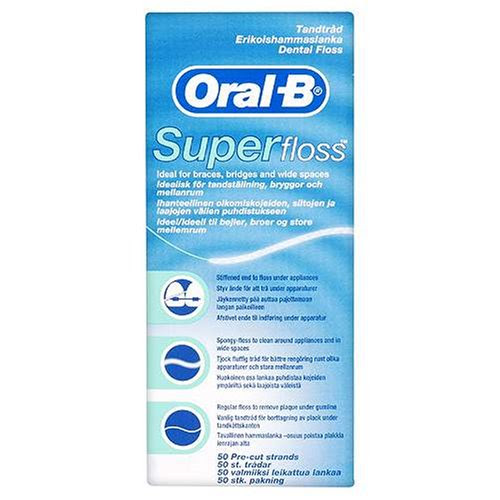
  • Super Floss, floss threaders, interproximal brushes, and Platypus flossers are very helpful.
  • Electronic toothbrushes are a better choice for cleaning your teeth and braces then a manual tooth brush. Water picks are also helpful to remove food debris.

imgres840r-2
874rn-2


imgres


www.oralb.com www.gumbrand.com www.PlatypusCo.com


Sources:

1. Attitudes and perceptions of adults towards orthodontic treatment in an Asian community. Lew KK Community Dent Oral Epidemiol. 1993 Feb; 21(1):31-5. [PubMed] [Ref list]

2. Proffit W R. Contemporary orthodontics. 3rd edn. St Louis: The CV Mosby Company; 2000. [Ref list]

3. http://www.orthocenters.org/emergency.php

Flossing…Do I have to?

KO6A0979-Edit[1]
Wendy Parker RDH
 
Absolutely! In some shape or form, flossing is essential in keeping the mouth and the rest of your body healthy!
As a hygienist, I have heard almost every excuse as to why people don’t floss, and trust me, I understand! From the “I’m too tired at night” to the “I just don’t have time” or the “I just forget to,” my job today is to try and make it a little simpler for you to want to floss and to help you understand why we should floss.
 
As a mother of 4 little ones, I understand that flossing isn’t a priority somedays….getting showered is. But with that, let me just say, flossing really is something that you don’t see the immediate results from, but in 20 years when you have your teeth still and you are smiling at their graduation with all your pearly whites, you will thank me.
 
So, let’s start with answering the basic questions about flossing….WHY should I floss? I brush really well!Brushing is a wonderful thing, and we are encouraged to do it twice a day, for two minutes with a fluoride toothpaste. What most people don’t realize is that brushing only reaches that tops, outside and inside surfaces of the teeth. But how to get inbetween? There really isn’t a substitute for flossing, sorry to be the bearer of bad news. Rinsing with mouthrinse or using an electric toothbrush will definitely help with keeping the mouth cleaner however, it is NOT a substitute for flossing. Plaque and bacteria form on every surface in the mouth, including the tongue and inbetween the teeth, therefore, you have to clean every surface of the teeth, not just the ones you can see. The tongue, saliva, and brushing take care of the plaque on most surfaces of the teeth, but floss truly is the only way to get the sticky plaque off the sides.The idea behind flossing is that as long as you disrupt the bacteria in the mouth once every 24 hours, you prevent it from hardening and becoming tartar. Flossing is MOST effective just before or after brushing at bedtime but really….you can do it any time of the day! Stuck in traffic? Floss. Waiting to pick the kids up? Floss. Going for a walk? Floss. Any time is a great time to floss! When you floss, it prevents Gingivitis (inflammation of the gum tissues), bleeding gums, bad breath, and will make easier dental appointments! The more you floss, the easier it becomes and the less your gums will bleed. It’s kind of like riding a bike. The first time you get one, you’re a little shaky but with practice you’ll be jumping off curbs in no time!
A lot of times people don’t floss because their gums bleed. That is because the gum tissue in that area is unhealthy so the body sends more blood to that area to help it heal. When your gums bleed, and the bacteria from the plaque and tartar are present, that bacteria gets into your bloodstream it is carried throughout the body increasing your chances of heart disease, compromising your immune system, and possibly causing an infection in the lining of your heart, which can be deadly! So, the more you floss, the healthier your gums are and the less they bleed!
 
So now that we know why, let’s focus on HOW to properly floss….

  • Starting with about 18 inches of floss, wind most of the floss around each middle finger, leaving an inch or two of floss to work with
  • Holding the floss tautly between your thumbs and index fingers, slide it gently up-and-down between your teeth
  • Gently curve the floss around the base of each tooth, making sure you go beneath the gumline. Never snap or force the floss, as this may cut or bruise delicate gum tissue
  • Use clean sections of floss as you move from tooth to tooth
  • To remove the floss, use the same back-and-forth motion to bring the floss up and away from the teeth
       floss1 floss2 floss3
 
The type of floss you choose is up to you. My personal favorites are Glide floss and Oral-B Satin floss. You may need to try a few different types to find the one that’s right for you. But don’t give up! It does get easier. Flossing looks simple, right? But what if you don’t have the perfect and easiest mouth to floss? Or you hate how the floss cuts off your circulation in your fingers every time? When you walk down the dental isle in any store there are so many aides to assist you, so which one is right for you? Hopefully you have already asked your hygienist this question but if not, here are a few things for you to check out the next time you are perusing the dental isle.
 
Several of my patients enjoy using floss picks. These are a great way to start your day. They don’t cut off your circulation and are totally disposable. These are great to keep a pack in your car or purse when you’re out and about.
And you can find all kinds of cute designs for your kids! Kids don’t usually become proficient at flossing until 10 or 11 years old. It’s never too young to start them on flossing. They’ll thank you later!
 

For those with braces, bridges, or large gaps between their teeth you may want to try Oral-B’s superfloss. It is a piece of floss that has one stiff end, a thicker, yarn-like middle section, and regular floss at the end. It’s hand to floss your thread through those brackets, bridges, permanent retainers, and then use the floss width that fits the area. This is a favorite of mine.
Also for places that have a little bit of a space, braces or bridges, is the interproximal brush. Some are disposable, some are reusable, just check them out and decide which one you would like. But these are great for teens who get something stuck in their teeth at school and don’t want to carry a toothbrush with them. Or for men just before business meetings.
 
And of course, there are the rubber tips toothpicks. You can go back to old school and use a regular wooden toothpick if that’s your preference but these are great. They are small, disposable, and awesome for on the go. They have a flexible rubber tip you can get inbetween tight spaces, permanent retainers, and brackets. Check them out, you may like them.
 
I know that there are several other gadgets out there but these are just a few of my personal favorites. If you see one you like, ask us about it and we’ll do the research for you to see if it’s the best one for you! But no matter what you do, just be sure that you do your best and remember what Dory from Finding Nemo says, “Just keep flossing, just keep flossing, flossing, flossing…..” Or was is swimming?

Fluoride: It’s not just for the kids.

KO6A0990-Edit
Andra Mahoney BS RDH
 
When someone says fluoride, most of us automatically think children. While it is true that fluoride is an important part of our children’s oral health, it is also a necessity for adults as well. Adults, just like children, get cavities. So adults, just like children, should receive fluoride.In fact, there are many age related problems that increase our need for fluoride.Some examples include:

  • Eating disorders
  • Drug or Alcohol abuse
  • Lack of regular professional dental care
  • Poor Oral Hygiene
  • Exposed root surfaces of teeth, recession
  • Decreased salivary flow, resulting in dry mouth
  • Poor diet
  • Existing fillings
  • Tooth enamel defects
  • Undergoing head and neck radiation therapy

I’d like to address recession and dry mouth specifically, since those are very common problems.

Recession- Recession is when the gums have receded below the crown of the tooth, exposing the root to the tooth. 

IMG_0074      IMG_0076.

This creates two main problems. First, the roots of the teeth do not have enamel, they are covered by cementum.

IMG_0073

As we all know, enamel is the hard material that protects the surface of the tooth. Enamel is 70 times stronger than cementum. This, unfortunately, means that the roots of the teeth are more prone to decay than the crowns of the teeth. The best recommendation for recession and the prevention of decay is fluoride. Make sure you are using a soft bristled brush with soft brushing (to prevent further recession) in combination with fluoride toothpaste. Also, you may received fluoride treatments at your dental appointments. The most beneficial would be fluoride varnish. Your hygienist is able to apply this for you at each appointment. The varnish coats the tooth in a protective layer of fluoride to aid in the prevention of decay.

The second problem that recession creates is sensitivity. When the root is exposed tiny little tubules open up on the tooth and the chances for sensitivity increase. This makes eating or drinking cold or sweet things painful. You will often notice a sharp zing when the area of recession comes in contact with cold or sweet items. The best recommendation for sensitivity due to recession is fluoride. Sensitivity toothpaste, such as Sensodyne, contain an increased amount of fluoride (as opposed to regular toothpaste) to assist in the prevention of sensitivity (and decay).

IMG_0077

Fluoride varnish is also helpful as it coats the tooth and temporarily closes the tubules decreasing the sensitivity. 

IMG_0075

Xerostomia

The last topic that I wanted to address is dry mouth, also known as xerostomia. Many adults take medicine and the most common side effect of many medications is dry mouth. A decrease in saliva increases your risk for decay. Saliva is important in washing away bits of food, neutralizing acids created by bacteria, as well as containing minerals that help prevent tooth decay. If you are having problems with dry mouth, try rinsing with a fluoride mouth was or a saliva substitute.

  IMG_0079    

All these reasons and many more show the importance of fluoride use for adults. If you have any other questions about the other problems that fluoride can help with, feel free to make an appointment with us and we’ll answer all your questions! 


Want to learn more? Visit us at http://www.northstapleydentalcare.com/


References:

Fluoride Treatments in the Dental Office ADA: http://www.ada.org/sections/scienceAndResearch/pdfs/patient_72.pdf

Can Fluoride Help Adults? Colgate: http://www.colgate.com/app/CP/US/EN/OC/Information/Articles/Oral-and-Dental-Health-at-Any-Age/Adults/Adult-Maintenance-and-Care/article/Can-Fluoride-Help-Adults.cvsp

Recommendations for Using Fluoride to Prevent and Control Dental Caries in the United States CDC: http://www.cdc.gov/mmwr/preview/mmwrhtml/rr5014a1.htm

Pictures:

http://www.drneal.com/pages/library/images/clip_image002.jpg

http://worcesterdentalimplants.com/_ah/editor/images/DSC_0258.JPG

http://www.vaughns-1-pagers.com/local/sunnyvale-dentist/tooth-anatomy.gif

http://www.beffadental.com/wp/wp-content/uploads/2010/03/imbvarnish_brush1.gif

http://www.m.sensodyne.com/?redirectfrom=www.sensodyne.us+R-https%3a%2f%2fwww.google.com%2f

http://pics2.ds-static.com/prodimg/380812/300.JPG


What is Normal?

KO6A3321-Edit

Becky Larson RDH

In my short time as a dental hygienist I have had many patient ask me about “weird” things they have noticed inside their mouths. Many patients are worried or scared they might have oral cancer. While oral cancer should be checked regularly, many times the things patients are worried about are completely normal. In general, most mouths have the same or similar anatomy. However, there are variants of normal that one person may experience over another. I have listed a few of these normal variants here:

Tori: A torus or tori (plural) is simply an excessive growth of normal compact bone, either on the floor or roof of the mouth. They develop gradually and are asymptomatic. Tori can grow into many different shapes and sizes and are covered by the normal soft tissues of the mouth. Tori may make taking radiographs very uncomfortable or painful. No treatment is needed unless the patient is having problems speaking or swallowing. Even upon removal tori may grow back.


4e2fd78cc550f4e33c48c0a31a8c64[1]

http://images.radiopaedia.org/images/551480/4e2fd78cc550f4e33c48c0a31a8c64.jpeg


Fordyce granules: Fordyce granules are simply a cluster of sebaceous glands (glands that secrete oil, similar to a pimple) inside the mouth. Usually they occur on the inside of the cheeks or on the lips. They are yellow in color and more than 80% of adults over the age of 20 experience them. Fordyce granules are also asymptomatic and do not require treatment.

Lingual varicosities: Lingual varicosities are veins under and on the sides of the tongue. They can be red, blue, or purple in color and generally occur in clusters. Everyone has veins in and around the tongue that may vary in size, shape, or color.

lingual_varicosities-142CFA6D1EC5BDDC9F0[1]


http://classconnection.s3.amazonaws.com/107/flashcards/2728107/jpg/lingual_varicosities-142CFA6D1EC5BDDC9F0.jpg


Linea alba: Linea alba is a raised, white line usually along the inside of the cheek. It occurs as a result of clenching or biting the inside of one’s cheek. No treatment is necessary.

Luekoedema: Leukoedema is a generalized opalescent appearance of the inside of the mouth. It most commonly occurs in black adults but can be seen with any ethnicity. When the mucosa is stretched the opalescence is less noticeable. No treatment is necessary.

Amalgam tattoo: Believe it or not, I have seen tattoos inside the mouth! However, an amalgam tattoo is a little different. These “tattoos” result from previous amalgam (silver) fillings where part of the filling material seeps into the tissue. It creates a bluish-gray lesion and they can occur anywhere an amalgam filling has been placed. Amalgam tattoos can look very similar to oral cancer because of their color. A biopsy can determine the difference. Amalgam tattoos generally do not require treatment.


Amalgam_Tattoo_in_the_association_with_an_upper_molar-400x461[1]

http://drjohnart.com/wp-content/uploads/2012/05/Amalgam_Tattoo_in_the_association_with_an_upper_molar-400×461.png


Fissured tongue: Believed to be a result of familial genetic patterns, this variant is seen in about 5% of the population. It involves deep fissures or grooves on the dorsal (backside) of the tongue. Sometimes the tongue can become irritated if food or bacteria remain in the grooves for an extended period of time. No treatment is needed other than brushing the tongue to remove food/bacteria from the surface.

Fissured_tongue[1]


http://doctorspiller.com/images/OralAnatomy/Fissured_tongue.jpg


Geographic tongue: Geographic tongue appears as small, red patches on the dorsal (backside) of the tongue that are surrounded by a yellow or white perimeter. The appearance is similar to that of landmasses on a globe, hence the name “geographic” tongue. The patches may go away and return again in different areas. Stress can be a contributing factor to this condition. No treatment is needed.

Geographic-tongue-5[1]


http://medicalpicturesinfo.com/wp-content/uploads/2011/08/Geographic-tongue-5.jpg


   Make sure to be aware of what is inside your mouth. We recommended oral cancer screenings at least once per year.

As always, please go see your physician if you experience any of the following:

  • Spots, lesions, or discolorations that remain longer than 2 weeks that were not previously present.
  • Any changes is size, shape, or color to pre-existing lesions.
  • Anything that causes you pain or that your dentist recommends getting checked

Happy Oral Cancer Awareness Month!

Want to learn more? Visit us at http://www.alamedadentalaz.com

Information taken from:

Ibsen, O., and Phelan, J. (2009) Oral Pathology for the Dental Hygienist. St. Louis, Missouri: Saunders Elsevier.

Oral Cancer Detection

KO6A8495-Edit - Copy

Lora Cook RDH

Your Dentist can play vital role in detecting cancerous cells in the mouth at stage 0 to stage 1.

“According to the National Cancer Institute, most mouth cancers start as small flat cells that are in the lining of the mouth.” These area’s include lips, inside lining of the cheeks, roof or floor of the mouth. Also area’s of the tongue, sides of the tongue and under the tongue. The back of the throat is another area in the mouth that cancer can form. When oral cancer is caught early before it grows deeper into the tissue and progresses into the lymph nodes the outcome for the patient is good.

  • Stage 0 – Is the precancerous stage, this is where cells are identified to be abnormal. They have the potential to develop into tumor.
  • Stage 1 – Is when the primary tumor is 2 centimeters or smaller. In this early stage there are no cancer cells present in the nearby oral tissues or lymph nodes.

So what can the dentist do to catch oral cancer in the precancerous and primary stage of development? Its is called the Velscope! This is a tool used by the dentist to help detect precancerous and cancerous cells in small and early stages not easily seen by the naked eye. This type of exam is more thorough. This scope helps the doctor check for abnormalities just under the tissue surface. It can show where abnormal cells are, months and even years before they become easily visible to just the naked eye.

velscope-vx-starter-kit[1]

http://www.leddental.com


Frequently asked questions:

What does the doctor look for?

The scope will direct fluorescence light to find abnormal cells. When looking through the scope healthy tissue will fluoresce, any tissue that is abnormal will appear dark. So the doctor is looking for any dark spots or areas. The dentist and your hygienist will also do a manual exam shown below feeling for lumps or bumps, and unilateral abnormalities.

oral-cancer-screening[1]

http://therightsmile.files.wordpress.com/2013/04/oral-cancer-screening.jpg?w=611&h=611


Is radiation involved when using the Velscope?

This exam is very safe, and there is no radiation involved. However the doctor will have you where some orange safety glasses to protect your eyes from the blue LED light from the scope.

How long does the exam take?

This exam takes all of one to two minutes to complete. Just long enough for the doctor to look at all the oral tissue in the mouth looking through the scope.

How often should I have this type of exam?

The doctor recommends thorough oral cancer screenings done at least once yearly.

American Cancer society recommends for people age 20 and older yearly screenings and exams for oral cancer.


Want to learn more? Visit us at http://www.alamedadentalaz.com


Sources:

http://www.livestrong.com/article/22882-early-stages-mouth-cancer/

http://www.webmd.com/oral-health/guide/oral-cancer

http://www.ddsgadget.com/ddsgadgetwp/velscop-early-detection-of-oral-cancer/

http://www.leddental.com

Oral Cancer Monthly Self Exam

KO6A3300-Edit[1]


Amanda Orvis RDH

The prevalence of oral cancer is on the rise; in fact one person dies per hour from oral cancer. In the early stages oral cancer can often times go unnoticed. It can be painless and not obvious to the naked eye. The most common areas for oral cancer are the floor of the mouth & sides of the tongue. That being said, oral cancer can be found in various locations as well as a variety of shapes, colors and sizes. It is important that you perform monthly oral self-exams. If you notice any suspicious areas that do not go away within seven to fourteen days make an appointment with your dentist to have them checked. Remember early detection saves lives.

OCF_wristband-2T

How to perform a monthly self-exam:

Supplies: Flash light and a mirror

Steps:

  • Take a moment to look at the skin on your face and neck in the mirror. Look for any changes in the color of your skin, any changes in moles or beauty marks, any swelling, lumps or sores.
  • Use both hands to gently feel along the outside of your cheeks, your lower jaw bone, your jaw joint, in front of and behind both ears. Checking for any areas that do not feel uniform on both sides, any lumps and/or any areas that are swollen or tender.
  • Gently use both hands to feel down the sides of your neck, follow the path along the neck muscles. Gently place your fingertips around your “Adam’s Apple” and swallow. Try to notice if it moves up and down normally or if there is any deviation.
  • Gently use both hands to feel the tissue above and around your clavicles for any swollen or tender areas, or areas that do not feel uniform on both sides.
  • Remove any removable dentures or appliances from your mouth.
  • Use the flashlight to check the roof of your mouth for changes in color or texture. Use your index finger to lightly sweep the roof of your mouth to feel for any lumps or swellings.
  • Pull out your upper lip and then your lower lip looking for any changes in color, size and/or texture. Gently squeeze each lip and cheek with your thumb and index finger feeling for any lumps or tender areas.
  • Using your fingers gently pull your tongue forward and check the back of your throat. Also check all the surfaces of the tongue and the floor of your mouth looking for any changes in color, size and/or texture in the tissue.
  • Lift your tongue to the roof of your mouth. Using both of your index fingers gently place one index finger on the floor of your mouth and the other index finger under your chin and press your fingers towards each other feeling for any swellings or tenderness along the floor of the mouth.
  • Look at your gums for any change in color and/or texture. Run a finger around all the surfaces of your gums feeling for any swollen or tender areas. \

What to look for specifically:

  • White patches
  • Red patches
  • Sores that fail to heal
  • Lumps, bumps or masses
  • Any areas that are differ from one side to another


oral-cancer

 Want to learn more? Visit us at http://www.alamedadentalaz.com


Sources:

http://myoms.org/procedures/head-neck-and-oral-cancer

http://fightoralcancer.org/information/images/

http://www.sixstepscreening.org/wp-content/uploads/SixStepScreening.pdf

http://oralcancerfoundation.org/

http://www.google.com/url?sa=i&rct=j&q=&esrc=s&source=images&cd=&cad=rja&uact=8&docid=lh3dem7gJGMA5M&tbnid=lSyDf2Zx6tGb8M:&ved=0CAUQjRw&url=http%3A%2F%2Fwww.ocfstore.org%2Foral_cancer_wristbands_p%2Focf_wristband.htm&ei=73M9U_K4DuO0yAGh6IDABA&bvm=bv.63934634,d.aWc&psig=AFQjCNE7TOClwAu96v2KHsbn1XlrAdQ49w&ust=1396622626125563

https://www.google.com/url?sa=i&rct=j&q=&esrc=s&source=images&cd=&cad=rja&uact=8&docid=osKRQqBu-J5qcM&tbnid=o3zZpWEozQnX-M:&ved=0CAUQjRw&url=https%3A%2F%2Fstjamesdentalgroupcudahy.wordpress.com%2Ftag%2Foral-cancer-self-exam%2F&ei=YXQ9U6uJBaKQyAGt9oHQDw&bvm=bv.63934634,d.aWc&psig=AFQjCNFoFpa18hNHhvzAAzKxqgandu3-2Q&ust=1396622812272438

http://www.google.com/url?sa=i&rct=j&q=&esrc=s&source=images&cd=&cad=rja&uact=8&docid=JWvDkHxnv4okFM&tbnid=VRZ3RjtVWC5AKM:&ved=0CAUQjRw&url=http%3A%2F%2Flaneendsdental.wordpress.com%2F2013%2F06%2F15%2Fmouth-oral-cancer-in-the-news%2F&ei=zHU9U_XoB6_lygHGu4HQDA&psig=AFQjCNEyDetzw_20EKBCjYSVXCnqHqZW5A&ust=1396623042961165


Save a Tooth, Save a Smile

JW9(sm)

Julie West BS RDH

I have had several nightmares about my teeth being knocked out.  I wake up in a panic to the relief that they are still there.  Losing a tooth to injury can be very scary, and those precious minutes following the displacement of the tooth are critical.  If you are a parent, a coach, or have any involvement with children, the following tips can equip you to save a smile.

saveatooth640x480www.saveatooth.com

Baby teeth 

If a child loses a baby tooth after injury, DO NOT attempt to put the tooth back into its socket.  Instead, place the tooth into a tooth saver like this one approved by the ADA.

If you do not have a tooth saver handy, a container of milk, water, or saline solution can be used.  DO NOT scrub/rinse the tooth clean!  Get the child to the dentist as soon as possible.  The faster the tooth can be reimplanted by a dentist, the better.

According to Martha Ann Keels, DDS, PhD, division chief of Pediatric Dentistry at Duke University, injuries to children’s teeth are both common and preventable.  She states, “The good news is most dental injuries can be avoided. But if an accident does occur, don’t worry –- most times even a tooth that’s been knocked out completely can be saved if proper care is taken in the first 20 minutes,” Keels said.

Time is of the essence.

Adult Teeth

If an adult or teenager loses an adult tooth after injury, DO put the tooth back into the socket immediately!   If the tooth has been soiled, gently rinse it with water being careful not to scrub/rinse off any attachments.  Hold the tooth by the crown and gently insert it into the socket.  Hold the tooth in the socket with clean cloth/ gauze until the adult can get to the dentist.

If it is not possible to reinsert the tooth (it is broken into several pieces), use a tooth saver container, milk, water, or saline solution to transport the pieces with the patient to the dentist as soon as possible.

There is no guarantee of long-term retention of a replanted tooth. A small percentage of replanted knocked-out teeth will be lost even with optimum treatment.

Bottom line: get the person and the preserved avulsed teeth to the dentist FAST!

Click here to view the tooth saver product pictured above.  I would encourage all parents, coaches, and school teachers to have a kit like this on-hand in case of dental trauma.  And, of course, all children playing sports should be wearing a mouthguard to help avoid such injuries.  See your dentist to have one made for your child.

www.ada.org

http://www.dukehealth.org/health_library/health_articles/dental_emergency_what_to_do_when_your_child_damages_a_tooth

http://www.prweb.com/releases/2012/7/prweb9734289.htm

Want to learn more? Visit us at http://www.northstapleydentalcare.com/