Oral Cancer Awareness

KO6A3321-Edit

Becky Larson, RDH

Oral Cancer Awareness

It’s April again!  Which means Oral Cancer Awareness month.  I can’t even begin to tell you how critical it is to receive regular oral cancer screenings.  Your dentist and/or dental hygienist should perform a basic screening at your six month check-ups.  We also recommend having a more in depth oral cancer screening (such as the Velscope, Oral ID, or Identafi) annually.  These more in depth screenings use florescent or ultra violet lights that can detect signs of oral cancer much earlier.  The earlier cancer is caught, the sooner treatment can begin and the better the prognosis.

Oral cancer is any abnormal growth of cells in the oral cavity (mouth).  Abnormal cell growth can be benign (no cause for concern) or malignant (can be life-threatening).  The oral cavity consists of the lips, cheek lining, salivary glands, hard and soft palates, uvula, tongue, floor of the mouth (underneath the tongue), gums, and tonsils.  The tongue and the floor of the mouth are the most common areas for oral cancer to occur.  However, the cancer can spread to other areas of the oral cavity and/or other areas of the body.

Oral cancer can manifest itself in many ways including swellings, lumps or bumps, numbness, abnormal bleeding, white patches, red patches, speckled patch, sores that do not heal, sore throat, pain when chewing/speaking/etc., changes in voice, ear pain, and dramatic weight loss.  If you are experiencing any of these symptoms please visit your dentist or primary care physician.

Risk factors for oral cancer include tobacco use, alcohol use, sun exposure, having HPV (Human papillomavirus), and a history of having oral cancer previously.  Tobacco use is the reason for most oral cancers, especially in those individuals who have used tobacco for lengthy amounts of time.  The risk increases when tobacco users become heavy alcohol drinkers.  Three out of every four oral cancers occur in people who use alcohol, tobacco, or both.  The Human papillomavirus is mainly linked to oropharyngeal cancers.  Limiting sun exposure and the use of sun screen and lip balm can help reduce the risk.  Men are twice as likely to develop oral cancer than women.  It is also important to note that more than 25% of oral cancers are found in individuals with no risk factors.

Everyone is at risk!  Make sure to visit your dentist and dental hygienist for regular oral cancer screenings.

Want to learn more? Visit us at

http://www.shalimarfamilydentistry.com

http://www.northstapleydentalcare.com

http://www.alamedadentalaz.com

http://www.dentistingilbert.com

Sources:

http://www.medicinenet.com/oral_cancer/article.htm

http://www.webmd.com/oral-health/guide/oral-cancer

http://www.cdc.gov/std/hpv/STDFact-HPVandOropharyngealCancer.htm

 

Orthodontic Retainers

LindsayW

Lindsay Olsen, RDH

Orthodontic Retainers

            You’ve been waiting for this day for over eighteen months; your braces are coming off today! Interestingly enough, one of the most important stages of your orthodontic treatment begins, the retainer phase.  Retainers are the only insurance policy orthodontia patients have to keep their smile straight, and bite perfect.

There are two types of orthodontic retainers:

  • Permanent (Fixed Bonded)
  • Removable

Permanent retainers cannot be removed. A thin wire is bonded on the tongue side of your lower front teeth (sometimes the upper teeth). This style retainer is great for individuals who will not remember to wear their removable retainers each night. Permanent retainers are not recommended for patients who have poor brushing and flossing habits at home. Permanent retainers require meticulous flossing (With a floss threader), and twice daily brushing in order to prevent plaque/tartar buildup from accumulating around the retainer.

Call your dentist, or orthodontist ASAP if you feel or notice your permanent retainer is broken, or distorted in any way.

There are two types of removable retainers: a Hawley style retainer, or an Essix style (Invisible) retainer. Removable retainers are popular among orthodontic patients because they can be removed, and cleaned by hand. These style retainers also do not get in the way during flossing, and brushing.

How to Care for Your Removable Retainer?

  • If you have an removable style retainer DO NOT soak it in boiling, or even extremely hot water, as it can easily melt, or become distorted. Also living in Arizona, store your retainer indoors. If it is left in your car during the summer months, it can melt, or become distorted.
  • If you are not wearing your retainer, keep it in its case, on a high shelf, away from pets. Dogs are attracted to smell/taste of human saliva. Your dog will chew, and destroy your retainer if they can get their paws on it.
  • DO NOT soak your retainer in mouthwash, as it will stain your retainer. Simply rinse with water, after each use, and gently brush with your soft toothbrush (NO TOOTHPASTE). Once a week, I disinfect my removable retainers. Simply place your retainers in warm water, with a denture or orthodontic cleaning tablet for 15-20 minutes, and then rinse under water. I personally use Retainer Brite tablets (Purchased from Amazon.com).


How Often, or How Long Do I Need to Wear My Removable Retainers?

It is recommended to wear your removable retainers, every night, for the rest of your life to retain your straight teeth.

You are welcome to bring in your removable style retainers with you to each preventative cleaning appointment. They can be cleaned in the ultrasonic, and then the Dr. can examine the fit. If you have any additional questions about your retainers, please contact your dental office!

Want to learn more? Visit us at

http://www.shalimarfamilydentistry.com

http://www.northstapleydentalcare.com

http://www.alamedadentalaz.com

http://www.dentistingilbert.com


Your Tongue Says a lot About Your Health

KO6A8495-Edit - Copy

Lora Cook, RDH

Your Tongue Says a lot About Your Health

Look into the mirror, stick out your tongue.  What does it look like?  What is the color, the texture, what do you think it is saying about you?  Here are some examples of what you might see and what it means.

WHITE PATCHES: 

This may be a sign of a overgrowth of candida or yeast in your mouth. You may have also heard this condition called thrush.  This condition is very treatable with prescription from your dentist for a anti fungal mouth wash from the pharmacy.

BLACK AND HAIRY:

This can have several different causes; poor oral hygiene, bacteria overgrowth, or yeast growth.  This may look alarming it does not cause any health problems and is usually painless.  This condition will usually resolved without treatment.


RED AND WHITE SPOTS:

These are usually areas where your taste buds have worn down. This is very common and no need to treat.

WEBBED OR STRIPED LOOK:

This is a chronic auto immune disease that effects the mucus membrane in your mouth.

RED TONGUE:

This may simply indicate a fever or strep throat.  However chronic redness in tongue may indicate a deficiency in certain vital nutrients such as; folic acid, B12, or iron.  This is a photo of a individual with B12 deficiency; smooth, beefy, red tongue.

RIDGES:

This is a result of the tongue pressing into teeth, usually while you are sleeping.  This may be a tell tale sign that you tend to clinch and grind your teeth in your sleep, usually stress induced.

This ridges will go away, the treatment for clinch and grinding is a custom night guard.

Another potential cause of these ridges is if your tongue becomes slightly enlarged or swollen.  This may be a indication of thyroid problems.

Want to learn more? Visit us at

http://www.shalimarfamilydentistry.com

http://www.northstapleydentalcare.com

http://www.alamedadentalaz.com

http://www.dentistingilbert.com

Sources:

http://www.skinsight.com/adult/oralCandidiasisThrush.htm

http://www.mayoclinic.org/diseases-conditions/black-hairy-tongue/multimedia/black-hairy-tongue/img-20006420

http://www.care2.com/greenliving/do-your-taste-buds-change-as-you-get-older.html

http://www.aaom.com/oral-lichen-planus

http://stanfordmedicine25.stanford.edu/the25/tongue.html

http://www.healcure.org/tongue/tongue-problems/scalloped-tongue-causes-pictures-hyperthyroid-diagnosis-treatment/

Pregnancy and Oral Health

KO6A3300-Edit[1]

Amanda Orvis, RDH

Pregnancy and Oral Health

Being pregnant comes with various responsibilities and it is important that you continue to maintain your normal brushing and flossing routine throughout your pregnancy.

For most women your routine dental visits are safe throughout your pregnancy. Make sure when calling to make your dental appointments you let your dental office know what stage of your pregnancy you are in. Let the office know if you have had any changes in your medications or if you have received any special instructions from your physician.  Depending on your specific situation and your treatment needs, some of your dental appointments and procedures may need to be postponed until after your pregnancy.

Dental x-rays are sometimes necessary if you suffer a dental emergency during your pregnancy, or if they are needed for diagnostic purposes. It may be wise to contact your physician prior to your dental appointment to get their approval to have x-rays done if they are necessary.

During pregnancy some women may develop a temporary condition known as pregnancy gingivitis which is typically caused by hormonal changes you experience during pregnancy. This is a mild form of periodontal disease that can cause the gums to be red, tender and/or sore.  It may be recommended that you be seen for more frequent cleanings to help control the gingivitis. If you notice any changes in your mouth during pregnancy, please contact your dentist.

During your pregnancy you may have the desire to eat more frequently. When you feel the need to snack try to choose foods that are low in sugar and that are nutritious for you and your baby. Frequent snacking can cause tooth decay. It is also a great idea to incorporate fluoridated mouth rinse into your daily routine. There are several different brands to choose from. Make sure to look for the ADA seal of approval which guarantees safety and effectiveness

If you experience morning sickness anytime throughout your pregnancy you can try rinsing with a teaspoon of baking soda mixed with water. This mixture lowers the acidity present in your mouth. This acidity can cause erosion of the enamel. Your gag reflex may also become overly sensitive during your pregnancy, so switching to a smaller toothbrush head may be beneficial.

Please remember that the body goes through many changes during pregnancy and maintaining your normal brushing and flossing routine plays an important role in your overall health.

Want to learn more? Visit us at

http://www.shalimarfamilydentistry.com

http://www.northstapleydentalcare.com

http://www.alamedadentalaz.com

http://www.dentistingilbert.com

Sources:

http://www.ada.org/sealprogramproducts.aspx

http://www.google.com/url?sa=t&rct=j&q=&esrc=s&frm=1&source=web&cd=1&ved=0CDgQFjAA&url=http%3A%2F%2Fwww.idph.state.ia.us%2FIDPHChannelsService%2Ffile.ashx%3Ffile%3DA6FAA346-C53D-49A5-AB8D-6198A087A02A&ei=gJO3UsDwH8bbyQG8sYHYAw&usg=AFQjCNFlpM4U5Hwp3J00K0jdNoM5DHzOXw&bvm=bv.58187178,d.aWc

http://www.google.com/imgres?sa=X&hl=en&qscrl=1&rlz=1T4GGNI_enUS478US479&biw=1600&bih=714&tbm=isch&tbnid=nldgrSnzOgvsAM:&imgrefurl=http://www.myhealthyspeak.co.in/index.php/management-of-pregnancy-gingivitis-3&docid=73o889OPRA5FCM&imgurl=http://

www.myhealthyspeak.co.in/wp-content/uploads/2013/07/23.jpg&w=176&h=117&ei=9JO3UvFL6GSyQHXi4DAAg&zoom=1&ved=1t:3588,r:88,s:0,i:375&iact=rc&page=4&tbnh=93&tbnw=137&start=75&ndsp=28&tx=80&ty=49

I am Sick, Should I Go to the Dentist?

Sharma RDH

Sharma Mulqueen, RDH

I am Sick, Should I Go to the Dentist?

Working in the dental field for twenty years I have seen many patients unsure if they should cancel their dental appointment due to not feeling good.  Many are concerned because they are unsure if it’s going to get worse or not.  Most offices charge a late fee if the appointment is not cancelled within a 48 hours’ notice.  Should I cancel or just go in for my appointment?

The biggest question “Do I have the flu?” It’s not always obvious how infectious you are to others. Also, it’s hard to know if you have the flu or a cold early on with your symptoms. The best thing you can do is take your temperature and monitor it.  If it continues to rise, more than likely you have the flu.

Center for disease control states the symptoms of the flu are fever, chills, fatigue, body aches, sore throat, and headache are common symptoms of flu. Not everyone with flu will have a fever. The flu can cause mild to severe illness, and at times can lead to death. The flu is different from a cold. The flu usually comes on suddenly.

If a patient is suffering from flu-like symptoms, we recommended that you reschedule your appointment.  The flu, or influenza, is spread from an infected person through small particles released into the air when you sneeze or cough; even talking may release small particles into the air. A single sneeze may infect numerous people.  Not only can you infect other patients, but you can also spread the infection to the dental staff.  Dental professionals work in direct contact with fluids in the mouth so if you’re infected, they may get the virus. Although they engage in frequent hand-washing and barriers such as: gloves, masks and eyewear to protect themselves from infectious diseases, these are not foolproof.

Be sure to phone the dental office and explain why you need to reschedule. Some offices appreciate that you’re considering their health and the health of other patients and will waive the fee if you’re not a frequent offender.  When in doubt, ask your dental office if the visit should be cancelled.

Want to learn more? Visit us at

http://www.shalimarfamilydentistry.com

http://www.northstapleydentalcare.com

http://www.alamedadentalaz.com

http://www.dentistingilbert.com


Sources:

http://www.cdc.gov/flu/about/disease/symptoms.htm

http://www.AmericanDentalAssociation.com

Are You a Mouth Breather?

KatieM

Katie Moynihan, BS RDH

Are You a Mouth Breather?

Breathing out of your mouth may not seem like a huge problem, but in terms of oral health and facial development, mouth breathing can create numerous oral health concerns. Chronic mouth breathing occurs when your body cannot get enough oxygen through your nose, therefore, must resort to your mouth for the necessary oxygen supply. It can be caused by several different factors – obstructive, habitual, and anatomic conditions. In most cases, mouth breathing is caused by chronic nasal obstruction. Examples of this include enlarged tonsils, allergies, nasal congestion, asthma, and nasal polyps. It may also be caused just by habit. A person might not even know any better because it is the norm for them to breathe through their mouth. Some anatomic conditions that can cause mouth breathing include Down syndrome, malocclusion, tongue thrusting, cerebral palsy, and sleep apnea. Each of these conditions contribute to the deprivation of oxygen which can lead to a host of unpleasant symptoms.

Signs and symptoms of mouth breathing in dentistry include:

  • dry lips and mouth
  • decreased saliva
  • inflamed and bleeding gums
  • increased plaque
  • frequent cavities
  • chronic bad breath
  • swollen tonsils/adenoids

Mouth breathing has been known to cause developmental problems in children. Often times children breathe through their mouth habitually and many parents never think twice about it. However, if left undiagnosed and untreated, it may lead to permanent skeletal deformities. The face can begin to grow long and narrow, the nose can become flat with small nostrils, and the lips can be thin on top and quite pouty on the bottom. This, in addition to the other negative effects to oral health, shows that mouth breathing is a whole body problem and should be treated as early as possible.


Yes, you read that right, mouth breathing can be treated! You would think that it would be an easy habit to change – just close your mouth, right? Unfortunately, for people who struggle with mouth breathing, it’s not that easy. The body simply doesn’t know how to breathe normally, and the muscles of the face and mouth have compensated and learned to work incorrectly. In order to stop mouth breathing, the muscles must be re-trained to function in new ways. Treatment includes respiratory exercises, lifestyle changes, and in some cases medical surgeries and devices. If you feel as though your mouth breathing is occurring more than normal, please consult with your dental or health care professional to determine the cause and treatment needed to correct your chronic mouth breathing.

Want to learn more? Visit us at

http://www.shalimarfamilydentistry.com

http://www.northstapleydentalcare.com

http://www.alamedadentalaz.com

http://www.dentistingilbert.com

Sources:

http://www.myfaceology.com/mouth-breathing/

http://www.knowyourteeth.com/infobites/abc/article/?abc=m&iid=296&aid=7327

http://besthealthus.com/conditions/oral-health/mouth-breather/

What is a filling?

KO6A3321-Edit

Becky Larson, RDH

What is a filling?

As a dental hygienist, I find that more often than not, my patients are confused.  Dental professionals tend to speak a “different language” and it can be very hard to understand.  A dental filling is a very common procedure that is performed at the dental office.  This post will go over what a dental filling is.

Unfortunately, teeth are prone to decay.  When decay occurs on one or more surfaces of a tooth, a hole or cavity forms.  A dental filling is the standard treatment used to fix a tooth with one or more areas of small decay.  By placing a filling, a dentist is able to restore a tooth back to its normal function and shape.  When a dentist gives you a filling, he or she first removes the decayed tooth material with a dental drill, cleans the affected area, and then fills the cleaned out cavity with a filling material.

A filling also helps to prevent future decay because it closes off spaces where bacteria may enter.  Materials used for fillings include gold, porcelain, composite resin (tooth-colored fillings), and amalgam (an alloy of mercury, silver, copper, tin and sometimes zinc).

It is important to follow your dentist’s recommendations for placing fillings.  When decay is left untreated it can cause the tooth to fracture, cause an abscess or infection, and/or destroy the inside or pulp of the tooth. As a result, more extensive treatment such as a crown, root canal, and/or extraction may be needed.

Want to learn more? Visit us at

http://www.shalimarfamilydentistry.com

http://www.northstapleydentalcare.com

http://www.alamedadentalaz.com

http://www.dentistingilbert.com

Sources:

http://www.colgate.com/en/us/oc/oral-health/procedures/fillings/article/what-is-a-filling

https://www.nlm.nih.gov/medlineplus/ency/article/001055.htm

Is Your Toothbrush Making you Sick?

Sharma RDH

Sharma Mulqueen RDH

Is Your Toothbrush Making you Sick?

Everyone’s focusing on the hand washing when they’re sick, with good reason. But how about washing your toothbrush? Washing your hands can reduce the risk of illness since we put our hands in our mouths, our eyes, our ears. So why is there no focus on cleaning the toothbrush during illness when we stick it directly into our mouths? What can we do to prevent the germs from passing on?

Reintroducing that toothbrush back into your mouth could be the worst thing you could be doing for your health on a daily basis.

Screen Shot 2015-12-05 at 1.42.45 PM

That doesn’t mean don’t brush.

Many studies clearly state that all of the presently available toothbrushes have the ability to be infected by a wide range of microorganisms, including viruses which can cause the common cold to even herpes. Pneumonia-causing bacteria also are found on a toothbrush.

Screen Shot 2015-12-05 at 1.42.56 PM

What can you do?

According to the Centers for Disease Control (CDC), a simple regimen for toothbrush care is sufficient to remove most microorganisms from your toothbrush and limit the spread of disease. Here are some common-sense steps you can take:

  • Wash your hands thoroughly with soap and warm water before and after brushing or flossing.
  • After brushing, rinse your toothbrush with warm water and store it upright to air-dry.
  • Don’t cover your toothbrush or place it in a closed container until it is completely dry. A moist environment can foster bacterial growth.
  • Use a completely dry toothbrush. Everyone should have two toothbrushes to give ample time (24 hours) for it to dry out in between uses.
  • Don’t share a toothbrush with anyone. Also, don’t store toothbrushes in a way that might cause them to touch and spread germs.
  • Replace your toothbrush every three or four months. Dentists recommend this practice not as prevention against contamination, but because toothbrushes wear out and become less effective at cleaning teeth.
  • Always replace your toothbrush after a cold or other illness to prevent contamination.
  • If you or someone else in your family is sick, that person should use a different tube of toothpaste (travel size, for example), to prevent spreading germs to other toothbrushes.
  • The toothbrush should be viewed as a necessary evil as well as a bio hazard. Make sure it is clean before using it!

In summary, do not reuse your floss, keep your toothbrush clean, and replace during and after illness. Store it outside the bathroom and use it several times per day. Brush twice a day for two minutes and floss daily and see your dentist every six months for check ups!

Want to learn more? Visit us at

http://www.shalimarfamilydentistry.com

http://www.northstapleydentalcare.com

http://www.alamedadentalaz.com

http://www.dentistingilbert.com

Sources:

https://www.deltadentalins.com/oral_health/toothbrush.html

http://guidetodentistry.com

http://www.cdc.gov/oralhealth/infectioncontrol

You Are What You Eat!

AnnC

Ann Clark RDH

You Are What You Eat!
What you eat and how often are important factors for preventing and maintaining good oral health.  The minute you eat or drink changes start occurring in your mouth.  Bacterias change sugars and carbohydrates into acids which attack the tooth’s enamel causing damage to occur.  The more you eat and snack, the more you expose your teeth to the decay cycle.
The best food choices are cheese, chicken and meat, nuts and milk.  These foods protect your enamel by providing calcium and phosphor needed to remineralize teeth subjected to acid attacks.  Other good choices are firm, crunchy fruits (apples/pears) and veggies.  These have a high water content, diluting the effects of sugars and stimulating saliva which helps cleanse your teeth through buffering the acids.  Acidic food like citrus fruits, tomatoes and lemons should be eaten as part of a meal to keep teeth protected.
Poor food choices are candy, mints, cookies, cake, pie, bread, muffins, chips, fries, pretzels, bananas and dried fruits. (No fun at all).  While containing larger amount of sugar they also are sticky on the tooth’s surface.  In addition, cough drops, like candy, need also be used minimally.
What about beverages?
Water, of course, is your best option, especially fluoridated water.  Also milk, and unsweetened tea are fine.  Limit your sugary drinks though, and drink up, do not sip through the day so as to constantly expose your tooth’s enamel to acid attacks.   Poor choices include: lemonade, soda, Gatorade, energy drinks, coffee/tea with sugar.  These expose your teeth to sugar, again creating the environment for acid attacks.
Sugar substitutes, although tasting like sugar, do not digest the same and do not “feed” the mouth’s bacterias or produce the decay-causing acids.  Sugarless and sugar-free labels mean no sugars were added during processing.  However, it could contain other natural sweeteners, like honey.  Examine your labels.
What about gum?
Sugarless gum is actually beneficial to the teeth as chewing actually helps to dislodge food stuck between the teeth and increases salivary flow to buffer the acids.  Do not become a gum chewer if you suffer from jaw pain.   Some gums containing xylitol are very beneficial.  Xylitol is a sugar alcohol used as a sweetener.  It is as sweet as sugar with 33% less calories.  Xylitol is actively beneficial by reducing cavities to a third in regular use and helpful to remineralization.
Thinking twice about your next snack move can prove helpful to both body and mouth…Apples anyone?
Source:
Wikipedia.org
WebMD.com

AZ Mission of Mercy

KO6A0990-Edit

Andra Mahoney, BS RDH

AZ Mission of Mercy

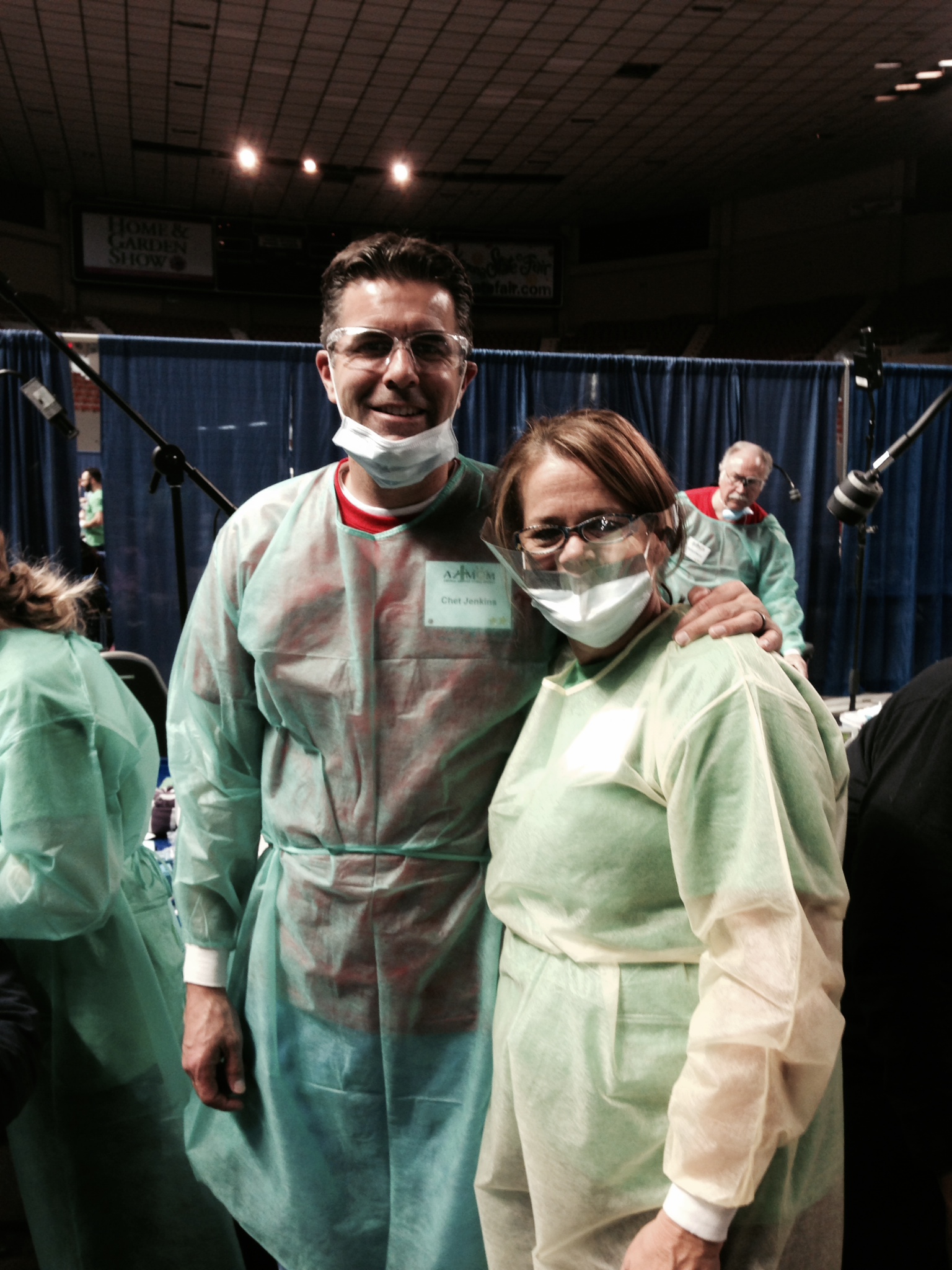
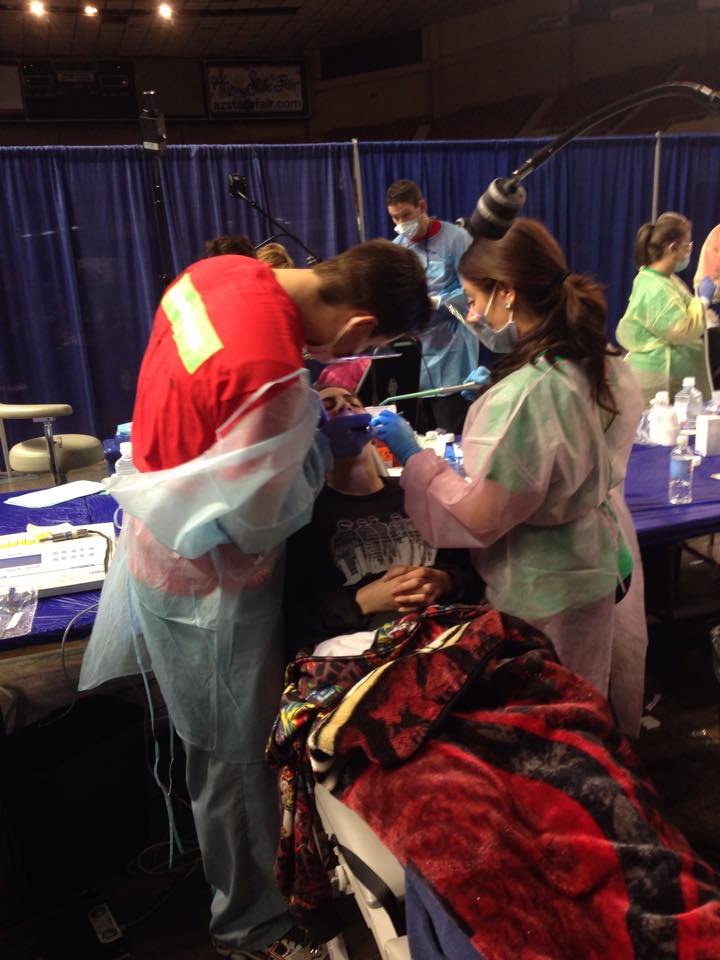
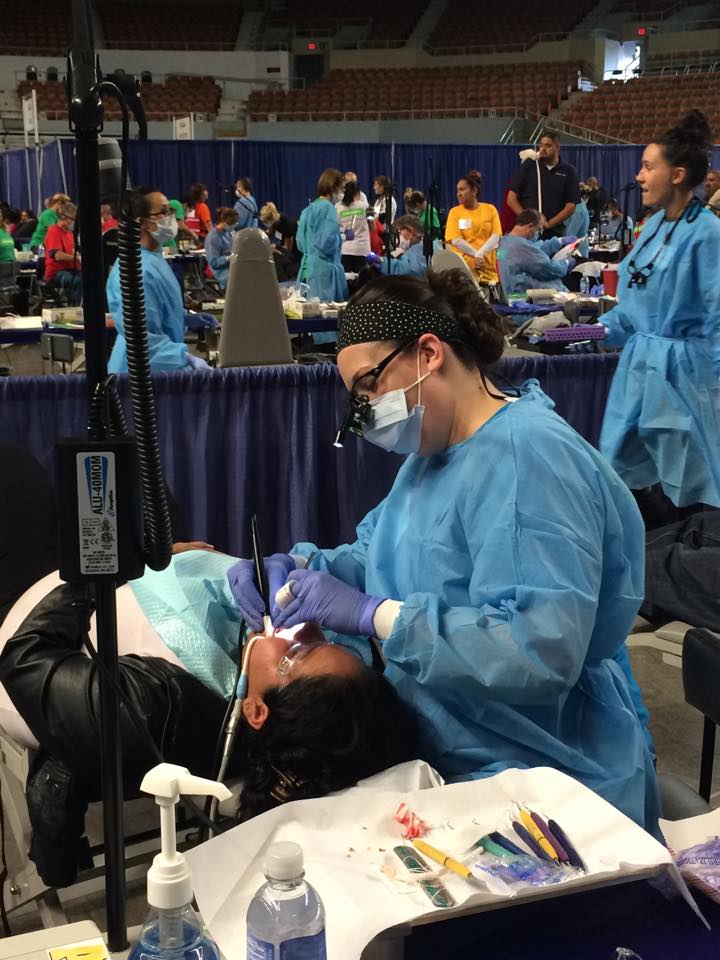
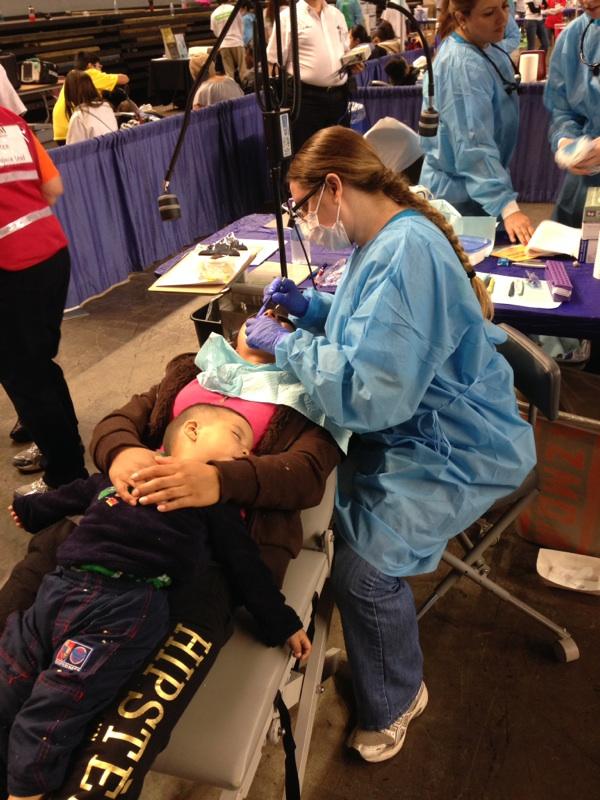
Next month, Decemeber 11th-12th, our offices will be going down to the AZ State Fairgrounds in Phoenix and volunteer again at the 4th Annual AZ Mission of Mercy.

“Since 1994, Mission of Mercy has been providing free healthcare, free dental care, and free prescription medications to the uninsured, under-insured, and those who “fall through the cracks” of our healthcare system.

An independent nonprofit 501 (c)(3), faith-based community organization, Mission of Mercy receives no government funding. Because of this, we can provide healthcare without any pre-qualifications. None of our patients must prove their poverty or residency.

Founded in 1991 and launched in 1994 by clinical pharmacist, Gianna Talone Sullivan, Pharm D., headquartered in Pennsylvania and serving clinics in Arizona, Maryland, Pennsylvania and Texas, Mission of Mercy now has 17 clinics providing more than 25,000 free patient visits each year.”

Here are some pictures of when our offices volunteered last year:

AZ MOM Line

This was the line waiting to get in.  Thousands of people waited overnight and in the rain to receive dental care.

IMG_0414

IMG_0425

Some of our great team!  From Left to Right: Dr Dastrup, Ann – Hygienist, Dr Miller, Morgan – Assistant, Darlene – Assistant, Jennifer – Assistant, and Dr Jenkins.

IMG_0415

Dr Jenkins and Darlene

IMG_0416

Dr Miller and Morgan

Dr D AZ MOM

Dr Dastrup and Jennifer, hard at work!

Anne AZ MOM

Ann, Hygienist, helping brighten smiles!

Amanda Andra AZ MOM

Amanda and Andra, Hygienists, getting ready to clean!

Amanda AZ MOM

Amanda, Hygienist, helping fight plaque and tartar build-up to make a happy mouth!

IMG_0413

After waiting in such a long line, it feels nice to relax and have Andra, Hygienist, clean your teeth!

IMG_0347

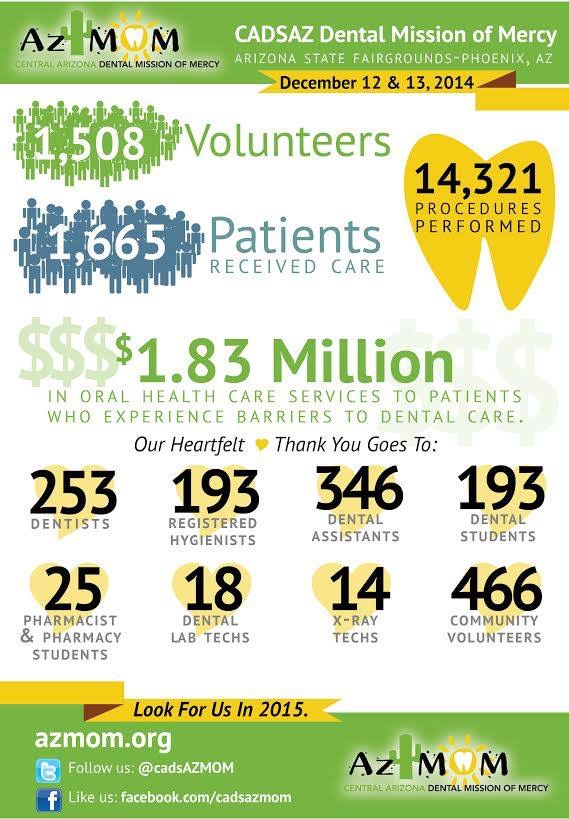
Here are the awesome statistics from last years Mission of Mercy event.  We are looking forward to going again this year!  If you are interested in volunteering for this event, everyone is welcome!  You do not have to be a medical profession, there is a job for everyone.

Want to learn more? Visit us at

http://www.shalimarfamilydentistry.com

http://www.northstapleydentalcare.com

http://www.alamedadentalaz.com

http://www.dentistingilbert.com

Sources:

https://www.azmom.org/