You Are What You Eat!

AnnC

Ann Clark RDH

You Are What You Eat!
What you eat and how often are important factors for preventing and maintaining good oral health.  The minute you eat or drink changes start occurring in your mouth.  Bacterias change sugars and carbohydrates into acids which attack the tooth’s enamel causing damage to occur.  The more you eat and snack, the more you expose your teeth to the decay cycle.
The best food choices are cheese, chicken and meat, nuts and milk.  These foods protect your enamel by providing calcium and phosphor needed to remineralize teeth subjected to acid attacks.  Other good choices are firm, crunchy fruits (apples/pears) and veggies.  These have a high water content, diluting the effects of sugars and stimulating saliva which helps cleanse your teeth through buffering the acids.  Acidic food like citrus fruits, tomatoes and lemons should be eaten as part of a meal to keep teeth protected.
Poor food choices are candy, mints, cookies, cake, pie, bread, muffins, chips, fries, pretzels, bananas and dried fruits. (No fun at all).  While containing larger amount of sugar they also are sticky on the tooth’s surface.  In addition, cough drops, like candy, need also be used minimally.
What about beverages?
Water, of course, is your best option, especially fluoridated water.  Also milk, and unsweetened tea are fine.  Limit your sugary drinks though, and drink up, do not sip through the day so as to constantly expose your tooth’s enamel to acid attacks.   Poor choices include: lemonade, soda, Gatorade, energy drinks, coffee/tea with sugar.  These expose your teeth to sugar, again creating the environment for acid attacks.
Sugar substitutes, although tasting like sugar, do not digest the same and do not “feed” the mouth’s bacterias or produce the decay-causing acids.  Sugarless and sugar-free labels mean no sugars were added during processing.  However, it could contain other natural sweeteners, like honey.  Examine your labels.
What about gum?
Sugarless gum is actually beneficial to the teeth as chewing actually helps to dislodge food stuck between the teeth and increases salivary flow to buffer the acids.  Do not become a gum chewer if you suffer from jaw pain.   Some gums containing xylitol are very beneficial.  Xylitol is a sugar alcohol used as a sweetener.  It is as sweet as sugar with 33% less calories.  Xylitol is actively beneficial by reducing cavities to a third in regular use and helpful to remineralization.
Thinking twice about your next snack move can prove helpful to both body and mouth…Apples anyone?
Source:
Wikipedia.org
WebMD.com

AZ Mission of Mercy

KO6A0990-Edit

Andra Mahoney, BS RDH

AZ Mission of Mercy

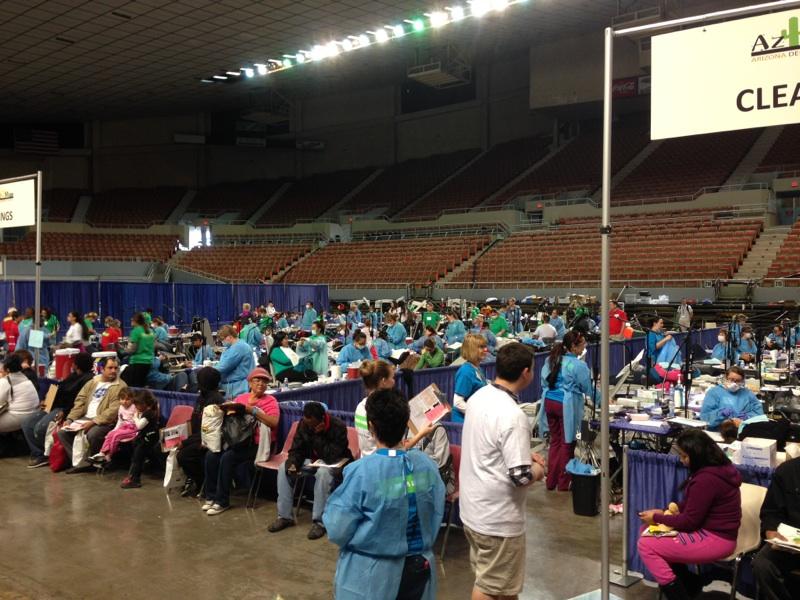
Next month, Decemeber 11th-12th, our offices will be going down to the AZ State Fairgrounds in Phoenix and volunteer again at the 4th Annual AZ Mission of Mercy.

“Since 1994, Mission of Mercy has been providing free healthcare, free dental care, and free prescription medications to the uninsured, under-insured, and those who “fall through the cracks” of our healthcare system.

An independent nonprofit 501 (c)(3), faith-based community organization, Mission of Mercy receives no government funding. Because of this, we can provide healthcare without any pre-qualifications. None of our patients must prove their poverty or residency.

Founded in 1991 and launched in 1994 by clinical pharmacist, Gianna Talone Sullivan, Pharm D., headquartered in Pennsylvania and serving clinics in Arizona, Maryland, Pennsylvania and Texas, Mission of Mercy now has 17 clinics providing more than 25,000 free patient visits each year.”

Here are some pictures of when our offices volunteered last year:

AZ MOM Line

This was the line waiting to get in.  Thousands of people waited overnight and in the rain to receive dental care.

IMG_0414

IMG_0425

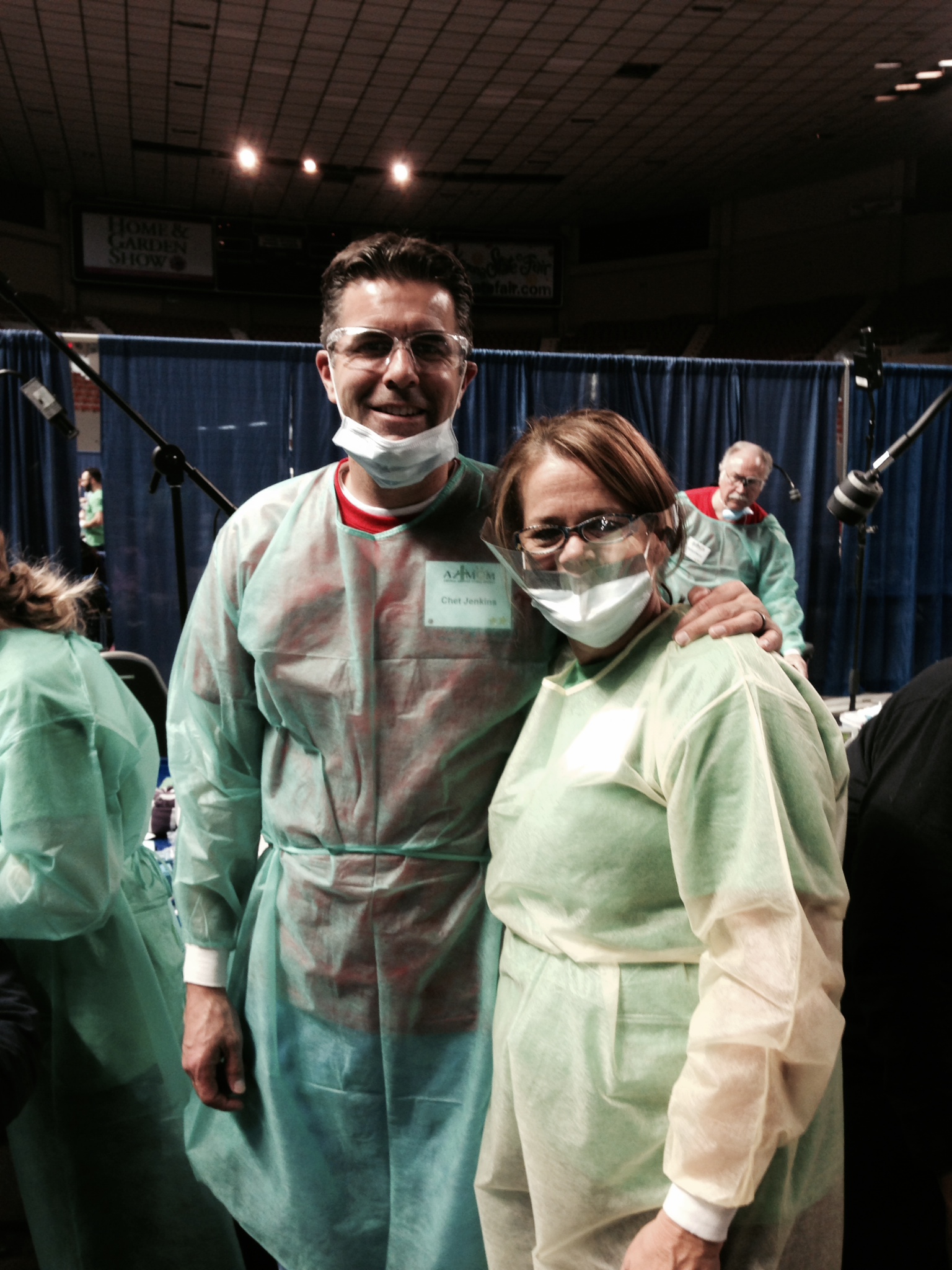
Some of our great team!  From Left to Right: Dr Dastrup, Ann – Hygienist, Dr Miller, Morgan – Assistant, Darlene – Assistant, Jennifer – Assistant, and Dr Jenkins.

IMG_0415

Dr Jenkins and Darlene

IMG_0416

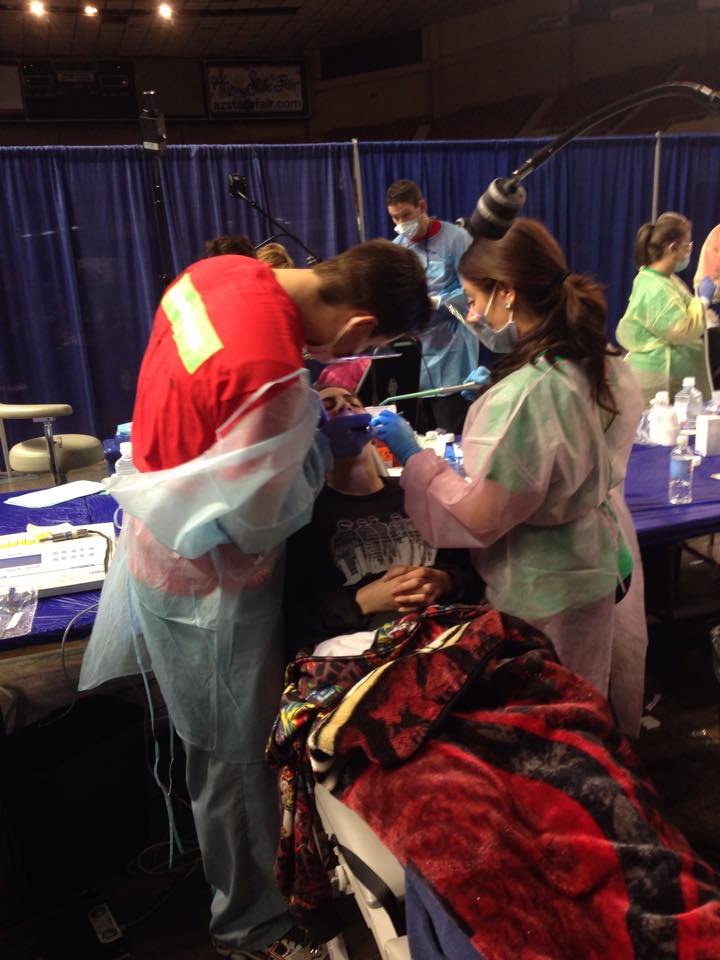
Dr Miller and Morgan

Dr D AZ MOM

Dr Dastrup and Jennifer, hard at work!

Anne AZ MOM

Ann, Hygienist, helping brighten smiles!

Amanda Andra AZ MOM

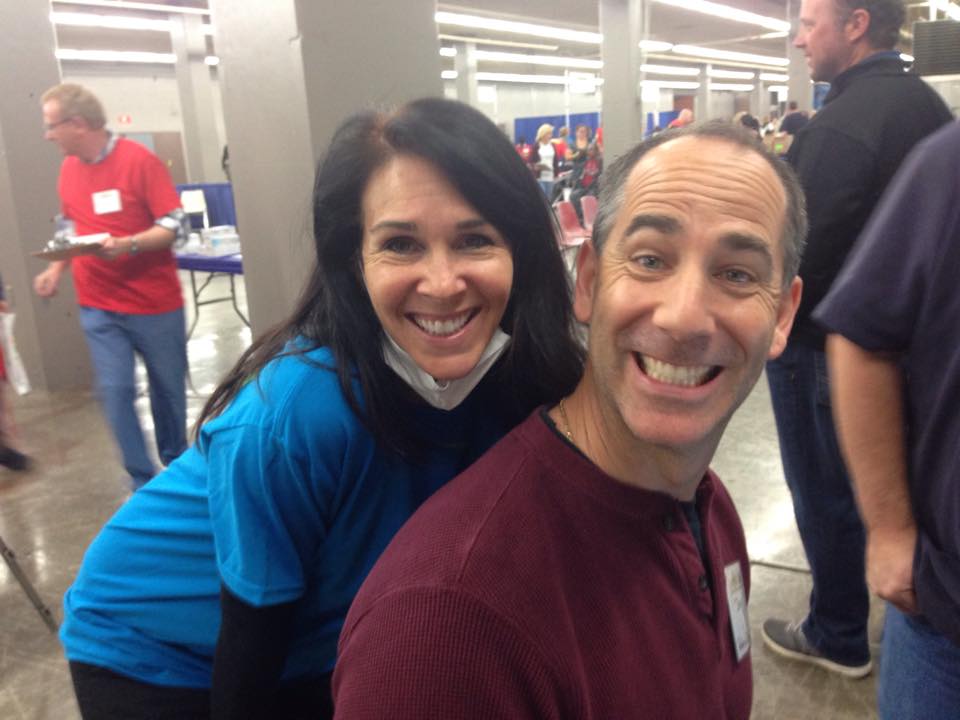
Amanda and Andra, Hygienists, getting ready to clean!

Amanda AZ MOM

Amanda, Hygienist, helping fight plaque and tartar build-up to make a happy mouth!

IMG_0413

After waiting in such a long line, it feels nice to relax and have Andra, Hygienist, clean your teeth!

IMG_0347

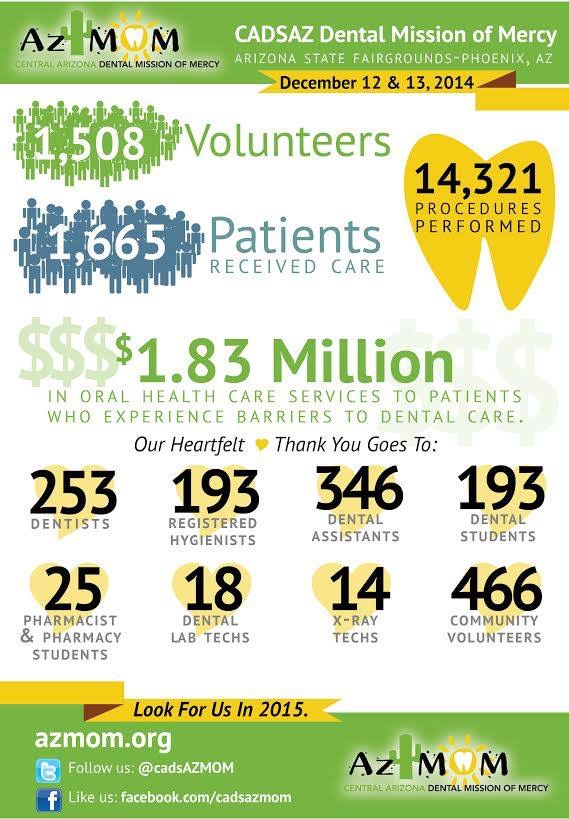
Here are the awesome statistics from last years Mission of Mercy event.  We are looking forward to going again this year!  If you are interested in volunteering for this event, everyone is welcome!  You do not have to be a medical profession, there is a job for everyone.

Want to learn more? Visit us at

http://www.shalimarfamilydentistry.com

http://www.northstapleydentalcare.com

http://www.alamedadentalaz.com

http://www.dentistingilbert.com

Sources:

https://www.azmom.org/


A little dental humor to keep you smiling

KO6A8495-Edit - Copy

Lora Cook, RDH

A little dental humor to keep you smiling…

Flossing

Flossing More

AirFloss

You can always air floss!

Loose Canine

For more fun, Visit us at

http://www.shalimarfamilydentistry.com

http://www.northstapleydentalcare.com

http://www.alamedadentalaz.com

http://www.dentistingilbert.com

Sources:

http://www.sugarfixdental.com/

http://www.viralnova.com/funny-dog-faces/

http://www.buzzfeed.com/ailbhemalone/things-youll-only-know-if-your-parents-were-dentists?sub=2681816_1827186

http://themetapicture.com/must-visit-the-dentist/

Electronic Cigarettes

Sharma RDH

Sharma Mulqueen, RDH

Electronic Cigarettes

E-cigarettes are electronic nicotine-delivery systems (ENDS) that consist of a cartridge containing nicotine and propylene glycol, an atomizer, and a battery (Figure 1). When a user inhales, a pressure-sensitive circuit is activated, which heats the atomizer and vaporizes the liquid as it is brought through the mouthpiece. The vapor consists of a fine mist that does not contain smoke or carbon monoxide and disperses more quickly than traditional cigarette smoke. The act of using ENDS is often called “vaping” and users are termed “vapers.”

Screen Shot 2015-09-13 at 11.55.38 AM

The nicotine cartridges used in ENDS come in a variety of flavors, including vanilla, cherry, java, piña colada, and menthol.  As the demand rises there are some ENDS stores opening with over 1000 flavors.  They are also offered in a myriad of nicotine strengths. When e-cigarettes are inhaled, light-emitting diodes are illuminated. Originally, these lights were red, but now they are often blue or another color to differentiate them from traditional cigarettes.

Screen Shot 2015-09-13 at 11.56.33 AM

There is a lot of stir about the introduction of e-cigarettes and unknown health issues that they may cause. For the mouth, e-cigarettes seem to have some positives and negatives. It is a better option than regular tobacco cigarettes, but worse than not smoking altogether. Here are a few of the effects of e-cigarettes on the mouth.

Unfortunately, research on e-cigarettes is still very minimal. Because they are a new product, research that can space several decades is still unavailable. However, there are several chemicals and clues that help determine what e-cigarettes can do to the teeth.

Just like any cigarette, the main purpose of an e-cigarette is to inhale nicotine. Studies have shown that nicotine can slow down the production of saliva in the mouth. The more nicotine you intake, the less saliva the body is able to produce. Saliva is a main deterrent to harmful bacteria and food particles in the mouth. Low saliva levels can cause quicker tooth decay, sore gums, and eventually a loosening of the teeth. One positive of smoking e-cigarettes verses normal cigarettes is that you can control the amount of nicotine the e-cigarette will release into the body. This will slow down the eventual effect of lowered saliva levels, at least.

Another effect of nicotine in an e-cigarette or a tobacco cigarette is it acts as a vasoconstrictor, which prohibits blood flow to the mouth. This results in a fewer number of white blood cells capable of fending off infections and bacteria that harm your gums. Fewer red blood cells are also sent to your mouth tissues, which lead to faster deterioration of the tissue and your teeth.

Another concern for e-cigarettes is that they contain diethylene glycol, a highly toxic substance. However, at the current point in research, scientists have not determined how much of the substance is needed to be considered harmful to the body, especially seeing e-cigarettes use a very low amount.

Screen Shot 2015-09-13 at 11.57.26 AM

Dental hygienists should continue to support tobacco cessation through evidence-based methods, such as counseling and medications. The American Dental Hygienists’ Association’s (ADHA) “Ask, Advise, Refer” program is a national tobacco intervention initiative designed to promote cessation by dental hygienists. Available at askadviserefer.org, this program follows the most successful steps to aid patients in quitting smoking, including: an in-depth presentation on the effects of tobacco and nicotine; step-by-step guide on questioning smokers; tips on advising them of why quitting is recommended; specific referrals to local quit lines; and options for Web-based cessation programs. Also, a variety of in-office handouts and reference sheets is available for immediate download or by request from the ADHA website for clinicians.

The “Ask, Advise, Refer” program recommends offering some type of smoking cessation medication in addition to a behavioral program. One option is a traditional nicotine replacement therapy, or pharmacotherapy. FDA-approved traditional nicotine replacement therapy products include gum, lozenges, transdermal patches, nasal sprays, and oral inhalers. There are several success stories of individuals sucking on hard candy day after day.  Unfortunately this may cause cavities, but if this can stop someone from using tobacco products then it is a success.  Bupropion SR and varenicline are medications used to aid in cessation.

E-cigarettes have not been evaluated by the United States Food and Drug Administration (FDA), and the levels of nicotine or other chemicals they contain are unknown. The FDA is concerned that e-cigarettes are sold to young people and do not contain “health warnings comparable to FDAapproved nicotine replacement products or conventional cigarettes.” The administration is developing a strategy to regulate this emerging class of products.

Conclusion

In response to the decreasing number of adult cigarette smokers, the tobacco industry is trying to attract young people with “healthier” tobacco products in hopes of expanding the market. None of these products is free of carcinogens, and most still contain enough nicotine to pose an addiction risk. All of them increase users’ risk of oral cancer.

The challenge for dental professionals is to identify users of these products as they may lack the typical signs of tobacco use, such as tobacco stains and odor, and the appearance of tissue changes in unusual areas, such as under the upper lip. Clinicians can play a critical role in educating patients about the nicotine content and potential harmful effects of these new tobacco products. Not only can dental professionals provide cessation support or referral for counseling, but they can also help prevent nicotine addiction in the first place.

Want to learn more? Visit us at

http://www.shalimarfamilydentistry.com

http://www.northstapleydentalcare.com

http://www.alamedadentalaz.com

http://www.dentistingilbert.com

Sources:

Polosa R, Caponnetto P, Morjaria JB, Papale G, Campagna D, Russo C. Effect of an electronic nicotine delivery device (e-cigarette) on smoking reduction and cessation: a prospective 6-moth pilot study. BMC Public Health. 2013;

American Lung Association Smoking Cessation: The Economic Benefits. Available at: lung.org/stop-smoking/tobacco-control-advocacy/reports-resources/cessation-economic-benefits/states/united-states.html. Accessed April 21, 2014

US Food and Drug Administration. FDA and Public Health Experts Warn About Electronic Cigarettes. Available at: www.fda.gov/NewsEvents/ Newsroom/PressAnnouncements/ucm173222.htm. Accessed September 1, 2013

Centers for Disease Control and Prevention. 2013 Smoking and Tobacco Use. Available at: www.cdc.gov/tobacco/data_statistics/fact_sheets/economics/econ_facts/index.htm. Accessed September 1, 2013

http://www.askadviserefer.org/

Random Fun Dental Facts

KO6A3300-Edit[1]

Amanda Orvis, RDH

Random Fun Dental Fact

Did you know that George Washington’s famous dentures weren’t made from wood?  That is a popular dental myth. George Washington had several sets of teeth fabricated for him, but none of which were made from wood. His dentures included teeth that were crafted from different combinations of gold, ivory, lead and a mixture donkey and hippopotamus teeth.

Screen Shot 2015-07-05 at 12.06.33 PM

The first toothbrush was created in the late 18th century by a prisoner. The toothbrush had a carved bone handle with boar bristles inserted into drilled holes, the bristles were held in place by wire.

Screen Shot 2015-07-05 at 12.06.47 PM

The first nylon bristle toothbrush was created in 1938. It was called Doctor West’s Miracle Toothbrush.

Screen Shot 2015-07-05 at 12.06.55 PM

Have you ever heard of Supernumerary teeth? Hyperdontia is the true term for Supernumerary teeth. These are teeth that appear in addition to the normal number of teeth.

Screen Shot 2015-07-05 at 12.07.08 PM

The first known floss was made of silk and was invented in 1815 in New Orleans.

In the year 1210 Barber-Surgeons evolved. Their job duties included hygiene services such as shaving and tooth extractions. Can you imagine going to get a haircut/shave and then having your tooth pulled? Ouch!

In 1776 Paul Revere used the first known post-mortem dental forensics by identifying his deceased friend according to the dental bridge that he had previously fabricated for him.

1906- Irene Newman was the first trained Dental Hygienist. By the year 1936, thirty states had licensed dental hygienists.

Screen Shot 2015-07-05 at 12.07.22 PM

In 1931 Arm & Hammer dentifrice (toothpaste) was given the first ever ADA Seal (American Dental Association Seal).

Screen Shot 2015-07-05 at 12.07.37 PM

Braces have come a long way. Originally in order to straighten your teeth, it was required to band every single tooth. Today bands are occasionally used on molars to anchor the orthodontic wires to help achieve desired movement.

Screen Shot 2015-07-05 at 12.08.05 PM

Want to learn more? Visit us at

http://www.shalimarfamilydentistry.com

http://www.northstapleydentalcare.com

http://www.alamedadentalaz.com

http://www.dentistingilbert.com

Sources

http://www.history.com/news/ask-history/did-george-washington-have-wooden-teeth

https://www.google.com/search?q=18th+century+toothbrush&rlz=1T4GGNI_enUS478US479&source=lnms&tbm=isch&sa=X&ei=Yx-YVZDEBcXSoATVo7jIBw&ved=0CAcQ_AUoAQ&biw=1600&bih=714#tbm=isch&q=george+washingtons+teeth&imgrc=EAwFSfl5LOzB0M%3A

http://www.history.com/news/ask-history/who-invented-the-toothbrush

https://www.google.com/search?q=18th+century+toothbrush&rlz=1T4GGNI_enUS478US479&source=lnms&tbm=isch&sa=X&ei=Yx-YVZDEBcXSoATVo7jIBw&ved=0CAcQ_AUoAQ&biw=1600&bih=714#imgrc=Ofulh03HnKdMHM%3A

http://www.loc.gov/rr/scitech/mysteries/tooth.html

https://www.google.com/search?q=who+created+the+first+nylon+bristle+toothbrush&rlz=1T4GGNI_enUS478US479&biw=1600&bih=714&source=lnms&tbm=isch&sa=X&ei=7CGYVYfdH8PToAS7hpjIDw&ved=0CAcQ_AUoAg#imgrc=jjIA1ifoHV61UM%3A

http://www.ada.org/en/about-the-ada/ada-history-and-presidents-of-the-ada/ada-history-of-dentistry-timeline

http://www.adha.org/timeline

https://www.google.com/search?q=paul+revere&rlz=1T4GGNI_enUS478US479&source=lnms&tbm=isch&sa=X&ei=qieYVYySDM_joAT07aL4Aw&ved=0CAcQ_AUoAQ&biw=1600&bih=714#tbm=isch&q=irene+newman+dental+hygienist&imgrc=yOpwQE1mvSFJ7M%3A

https://www.google.com/search?q=first+orthodontics&rlz=1T4GGNI_enUS478US479&source=lnms&tbm=isch&sa=X&ei=nC-YVfrAPNLeoATHm52YAw&ved=0CAgQ_AUoAg&biw=1600&bih=714#imgrc=YCP08L500cD6ZM%3A

https://www.google.com/search?q=supernumerary+teeth&rlz=1T4GGNI_enUS478US479&source=lnms&tbm=isch&sa=X&ei=_jOYVeDKMImsogTw9I34Bw&ved=0CAcQ_AUoAQ&biw=1600&bih=714#imgrc=oblCbC97QOONTM%3A

The Dangers of Oral Piercings

AnnC

Ann Clark, RDH

Oral Piercings
Although attractive to some, tongue, lip, and cheek piercings have a number of health related risks associated with them.  One of the biggest dangers of mouth piercings is the damage to the teeth that can come from bumping or rubbing against the piercing.  There is also a fairly high risk of infection to this area from bacteria that can get trapped.
Dangers of Oral Piercings
   *Infection – Risk of this is increased due to the new wound created.  The array of bacteria that live in the mouth plus the addition of bacteria from handling the jewelry.
   *Transmission of Disease – Oral piercing poses increased risk of the herpes simplex virus and hepatitis B or C.
   *Endocarditis – The piercing site poses risk for mouth bacteria to enter the bloodstream and lead to developing endocarditis–an inflammation of the heart or its valves–in certain people with underlying (many times asymptomatic or undiagnosed) heart issues.
   *Nerve Damage/ prolonged bleeding – Numbness or loss of sensation at the piercing site or movement problems can occur if the nerves are damaged. If blood vessels are punctured, prolonged bleeding can occur.  Tongue swelling following piercing can be severe enough to block the airway and make breathing difficult.
   *Gum Disease – Piercings, especially involving longer jewelry, like barbells, have a greater chance toward this disease.  The jewelry can come into contact with gum tissue causing tissue recession, an injury leading to loss of teeth.
Recession
   *Damage to Teeth – Teeth contacting the jewelry can chip, crack, or wear away.  One study from a dental journal reported 47% of barbell wearers for 4+ years had at least one chipped tooth.
Chipped Anterior
   *Difficulty in daily functions – tongue piercings can result in problems with swallowing, chewing food, and clear speech.  This occurs from the jewelry stimulating an excessive production of saliva.  Taste can also be altered.
   *Allergic Reaction – We call metal hypersensitivity Allergic Contact Dermatitis, which can occurring in susceptible people.
   *Jewelry Aspiration – If jewelry becomes loose in the mouth it poses a possible choking hazard if swallowed causing issue to the digestive tract or lungs.
If oral piercings are still for you, please consider:
-find a recommended studio
-Visit the studio first and ask about hospital-grade autoclaves to sterilize, or use of disposable instruments.  Are disposable gloves used?
-Ask to see a health certificate.
-Are instruments kept in sterilized packages?
-Are employees vaccinated against Hep-B?
-Ask many questions, the staff should be willing to respond
Tongue Ring
WARNING SIGNS!! (Consult your dentist if any of these occur)
-yellow/green discharge (normal is clear or white)
-scarring or thickened tissue build up darkening the piercing site
– an abscess (pimple) at the piercing site
-bleeding or tearing after the piercing
-a resting low-grade fever
Sources
   American Dental Association: “Oral Piercing and Health”
   Academy of General Dentistry: “What is oral piercing”

Dental “Myth Busters”

KO6A3321-Edit

Becky Larson, RDH

Dental “Myth Busters”

There are a lot of dental myths out there that are sometimes mistaken for dental truths.  Here are a few facts to help clear up some of the confusion.

Myth #1: You don’t need to brush baby teeth because they will fall out eventually anyway. 

baby_teeth_adult_teeth_differences

Absolutely not!  Baby teeth can still get cavities, which can spread to other teeth and cause pain.  Some baby teeth may even fall out too soon and cause problems with bite or improper development of a child’s permanent teeth.  It’s also important to establish good oral hygiene habits early on.  Children’s teeth should be brushed twice daily (just like adult teeth).

Myth #2: Fluoride is poisonous and should be avoided. 

varnish_1607

Wrong!  Each day the enamel layers of our teeth lose minerals (demineralization) due to the acidity of plaque and sugars in the mouth.  The enamel is remineralized from food and water consumption.  Too much demineralization without enough remineralization leads to tooth decay.  Fluoride helps strengthen enamel, thus making it more resistant to acidic demineralization.  Fluoride can sometimes reverse early tooth decay.  According to the American Dental Association, community water fluoridation is the single more effective public health measure to prevent tooth decay.  Many dental offices also offer in office fluoride treatments that can help both children and adults.

Myth #3:  You lose one tooth each time you have a child.

Missing Tooth

Now that’s just silly.  Some women think that when they are pregnant the baby leeches a lot of their calcium supply.  That may be, but it doesn’t mean she will lose any teeth.  However, pregnant women are prone to cavities or having other dental problems.  This is due to morning sickness and vomiting, dry mouth, and a desire/craving for more sugary or starchy foods.  Pregnant women in these circumstances should be sure to continue their regular dental check-ups and try to maintain pristine oral home care.

Myth #4:  If your gums are bleeding you should avoid brushing your teeth and flossing.

02-1375446846-bleeding-gums

I can’t even begin to stress how wrong this one is!  If your gums are bleeding it means there is active inflammation and infection present.  That means you need to improve on oral hygiene by brushing more frequently or more effectively.  Bleeding gums is a sign of periodontal disease.  If caught early (in the gingivitis stage) it can be reversed.  Brushing should be done twice daily with a soft-bristled toothbrush.  Flossing should be done at least once daily.

Myth #5:  Placing a tablet of aspirin beside an aching tooth can ease the pain.

Screen Shot 2015-05-04 at 5.51.41 AM

Wrong again.  In order to ease the pain caused by a toothache, aspirin must be fully swallowed.  Placing aspirin on gum tissue for long periods of time can actually damage the tissue and possibly cause an abscess.

Myth #6:  You don’t need to see the dentist if there is no visible problem with your teeth.

bwx

Unfortunately not all dental problems will be visible or obvious.  You should continue to visit the dentist for regular check-ups at least twice per year, in conjunction with your cleanings.  Dental radiographs or other instruments can detect cavities or other problems that might not be causing any symptoms yet.  It’s best to catch things early to minimize the treatment needed.

Myth #7:  After a tooth has been treated for decay it will not decay again.

Broken_Lost_Tooth_Filling

There are no guarantees in dentistry!  While the dentist will do their best to restore teeth to last for as long as possible, there is no way of knowing when or if a tooth will get recurrent decay.  Proper oral home care can prolong the life of dental restorations.

Don’t always believe what you hear!  If you have questions or concerns about your dental health be sure to ask your dentist, hygienist, or other dental professional.

Want to learn more? Visit us at

http://www.shalimarfamilydentistry.com

http://www.northstapleydentalcare.com

http://www.alamedadentalaz.com

http://www.dentistingilbert.com


Sources:

http://www.ada.org/en/public-programs/advocating-for-the-public/fluoride-and-fluoridation

http://www.webmd.com/oral-health/guide/fluoride-treatment

http://www.livescience.com/22463-gain-a-child-lose-a-tooth-myth-or-reality.html

http://tips4dentalcare.com/2008/06/21/popular-myths-about-dentistry/

April is Oral Cancer Awareness Month

Sharma RDH

Sharma Mulqueen RDH

April is Oral Cancer Awareness Month

OC Awareness

Early detection is key with oral cancer. When found early, oral cancer patients can have an 80 to 90% survival rate. Unfortunately 40% of those diagnosed with oral cancer will die within five years because the majority of these cases will be discovered as a late stage malignancy.

Oral cancer is particularly dangerous, because the patient may not notice it in its early stages. It can frequently prosper without producing pain or symptoms. As a result, Oral Cancer often goes undetected until it has already metastasized to another location.

Who does oral cancer screenings?

Most oral cancer screenings are done by a Dentist or Hygienist. It is very important at all of your dental appointments you have a screening completed.

When should I have my first oral cancer screening?

More people are being diagnosed with oral cancer than ever before. But surprisingly, research shows this increase is not due to the traditional risk factors of drinking, smoking and using chewing tobacco. Rather oral cancer is now being found in a younger population of men and women because due to their exposure to the HPV (Human Papillomavirus). That is why the Center for Disease Control recommends that all patients over the age of 17 be screened annually for oral cancer.

What types of screenings are there?

A routine “recall” exam usually includes a visual search for lesions and abnormal structures in the oral cavity with palpitations on neck, throat, tongue and cheeks.

The Identafi system uses the Identafi Multi-Spectral Fluorescence and Reflectance technology to enhance visualization of mucosal abnormalities such as oral cancer or premalignant dysplasia that may not be apparent to the naked eye. Unlike other fluorescence technologies and dye systems, the Identafi is Multi-Spectral with three distinct color wavelengths, making it easier to distinguish lesion morphology and vasculature.

Identafi System

The VELscope® Vx system is an adjunctive device which means it must be used together with and as a supplement to the traditional intra and extra oral head and neck exam. Unlike other adjunctive devices used for oral examinations, the VELscope® Vx does not require any dyes or prolonged testing procedures. In fact, a VELscope® Vx exam can be performed during a routine hygiene exam in about two minutes at your dental office.

Dentists, Hygienists, Periodontists, Oral Surgeons, Primary Care Physicians and Otolaryngologists now have the technology to detect morphological and biochemical changes which may lead to oral cancer and potentially save lives, thanks to the Identafi® and VELscope® Vx systems.

Where do I go if there is any concern with my screening?

You will be referred to an Oral and Maxillofacial Surgeons where they will check for lesions and abnormal tissue structures and perform a biopsy.

Oral Surgeons are not front-line detectors, because their patients are typically referred by dentist and other medical professionals as a primary source for cancer diagnosis and treatment.

OC Happens

Want to learn more? Visit us at

http://www.shalimarfamilydentistry.com

http://www.northstapleydentalcare.com

http://www.alamedadentalaz.com

http://www.dentistingilbert.com

Source:

http://www.identafi.net/tools

http://www.dentalez.com/products/stardental/identafi/

http://www.velscope.com/velscope-technology/overview/

Hope Arising and Africa

Peggy

Peggy Storr BSRDH

“The best way to find yourself is to lose yourself in the service of others.”

-Mahatma Gandhi

544742_286498254760067_1404223368_n

     This is a quote found on Hope Arising’s face book page and it is so appropriate that I had to include it here. In October, I was incredibly fortunate to travel to Ethiopia with Chantal Carr, one of two founders of Hope Arising, Dr. Chet Jenkins, and a team of 28 great people, including six teenagers. As I sit and try to write a blog about my trip, I realize that nothing I say will describe the experience nor do it justice. A picture being worth a thousand words, check out Hope Arising’s facebook page. This will offer a more accurate glimpse into the work that three humanitarians (Chantal Carr, Rochelle Sellers, and Dr. Chet Jenkins) have accomplished in a relatively short few years.

168962_110269599049601_219731_n

1385699_10201244728095170_1047959817_n1377630_538144249595465_2024507670_n1376322_10151867154699927_1506476910_n

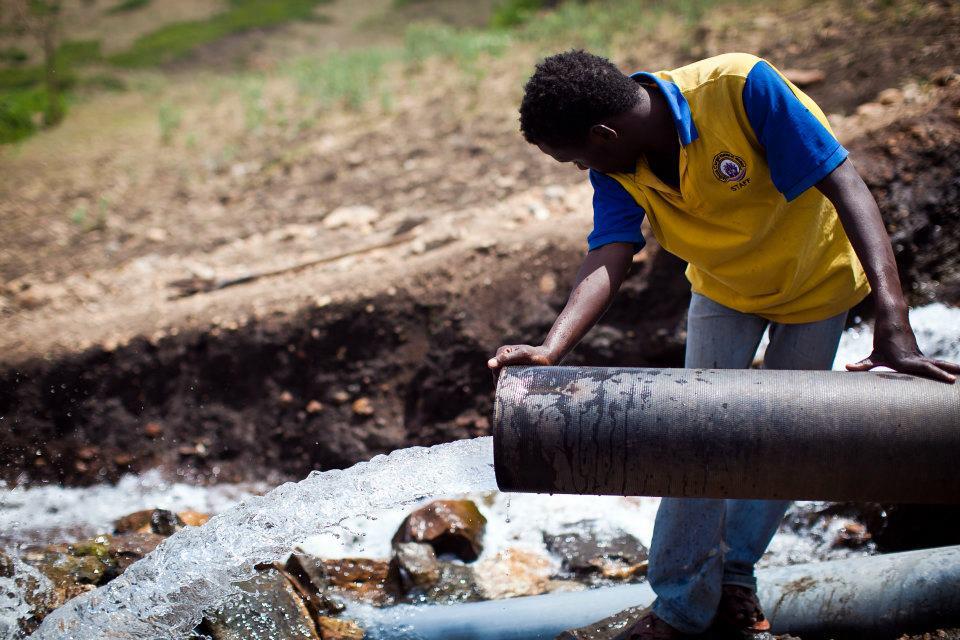
When Chantal and Rochelle visited the small village of Dera, Ethiopia in 2008, the village people were walking as many as 5 miles to wait in lines to fill cans of water. These “Jerry” cans weigh 40 lbs and elderly women and small children were also making this trek. The country was in a 16-month drought and being completely dependent on nature for its water, Dera was in distress. There was no work and children no longer attended school, as the quest for water became the only thing that mattered. We can’t fathom what having no water would be like but without it there is only starvation, despair, disease and death. The amazing story of how these two women, two regular moms from Gilbert AZ, brought water to this village is one of the most inspiring stories I’ve ever heard.

28999_448216295254928_1743604229_n206394_448213968588494_342822679_n

Through their efforts and compassion, a water reservoir was built. The people in a small village a world away now have hope and a future but the need is great and the work of Hope Arising continues to provide support and aid. When our team arrived in early October, we were greeted by a group of women whom had each been loaned a small amount of money to begin small businesses. They were so grateful to Hope Arising that they provided us with a celebratory meal. Self-sufficiency and independence is the goal and now these women can feed and support their families through the businesses they have started.

598392_396106360465922_2081532414_n1378716_10151867155264927_1634221609_n1378349_3597022739815_1617551911_n

559638_380776561998902_638348112_n993423_10151867154884927_339662548_n994630_10151867155149927_489736253_n

602699_441709162572308_1963408518_n

These gorgeous women came to a class where they learned how to make soap on our latest trip to Ethiopia.

156899_399008406842384_1555292071_n

Dera, Ethiopia has three elementary schools with combined capacity of over 4,700 students, a middle school, and a high school. Children attend in four hour blocks so everyone can have a turn going to school. When we first visited Agriti Elementary school with 1,600 children, they had no library and no books. Volunteers raised $500 and the school now has a bookshelf full of books, aptly called the library.

3736_381557475254144_732765040_n

185054_380776438665581_996502565_n47910_380776421998916_1274895624_n

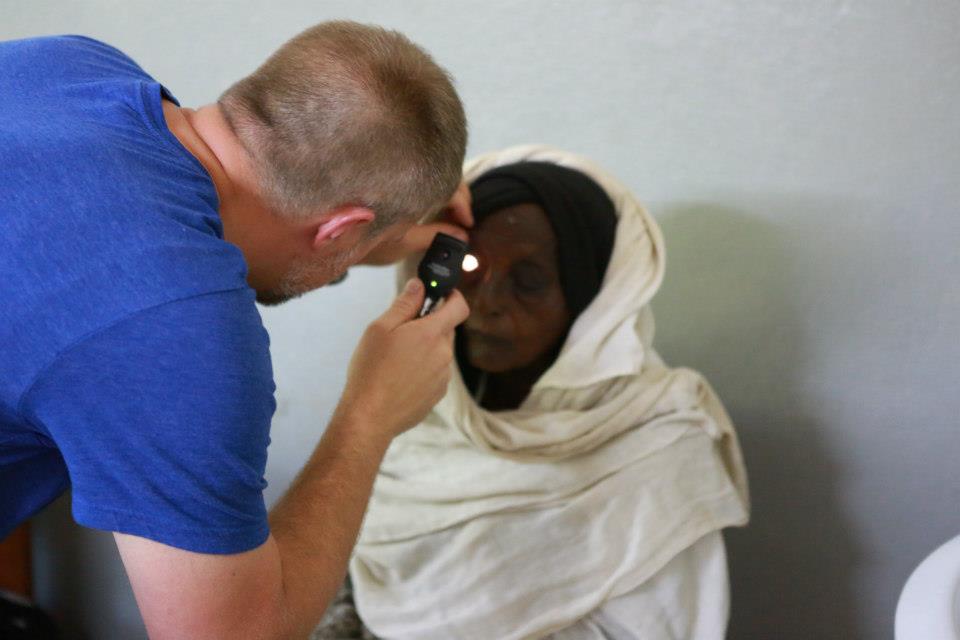
The woman with trachoma getting fitted for her glasses.

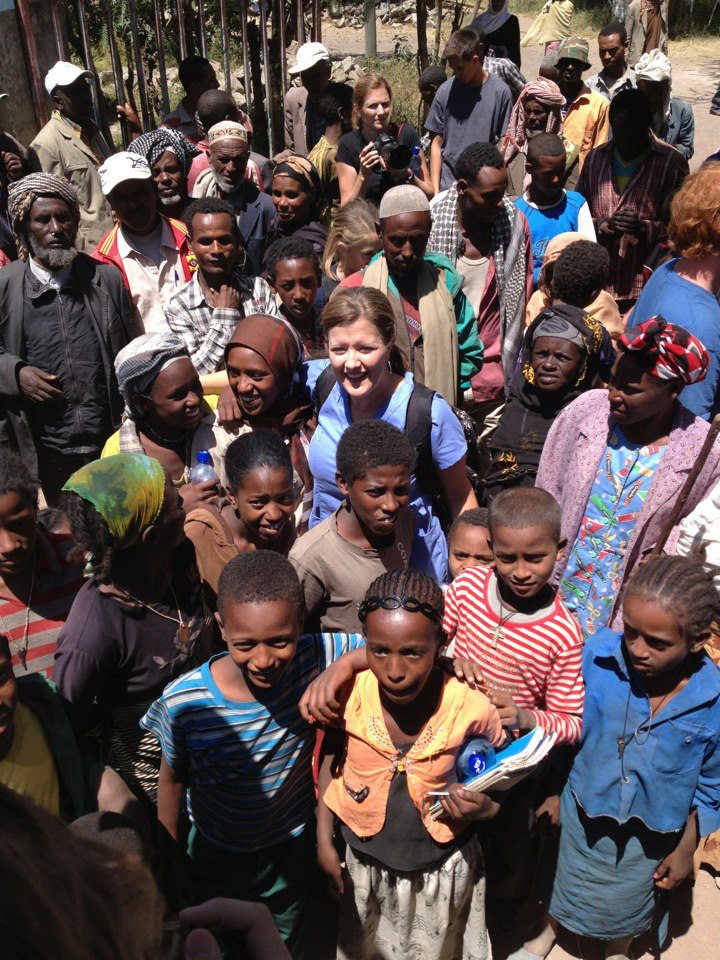
I found the people in Ethiopia to be literally beautiful, despite extreme poverty and suffering. They have so little and yet they are a happy, gracious and proud people. Many of the children are orphaned (actually 6 million in Ethiopia) but like children everywhere, they sing and laugh and love to play. They literally have nothing…if they have a ball, it is homemade, stitched and stuffed at home. Simply taking a picture of them thrilled them, as most have never seen a reflection of themselves. This is true even of the adults. Can you imagine never having seen yourself in a mirror?

1375941_10151867154064927_870838758_n1379249_10151867154429927_1921258141_n

561708_379967355413156_1579275203_n68610_399007566842468_1593627598_n522830_379972448745980_1091499223_n

420911_380776791998879_90035376_n487088_380776465332245_956943901_n

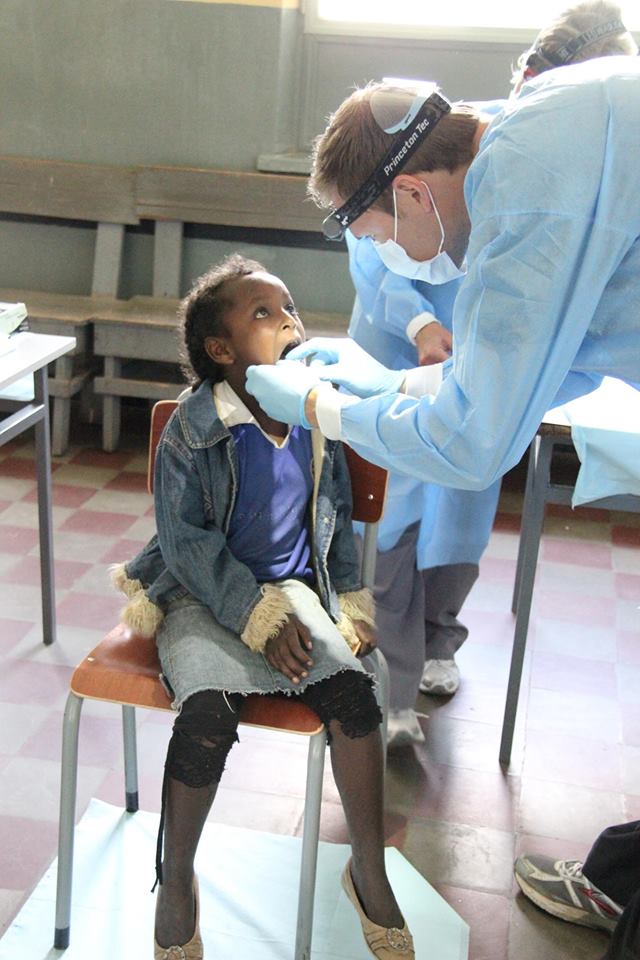
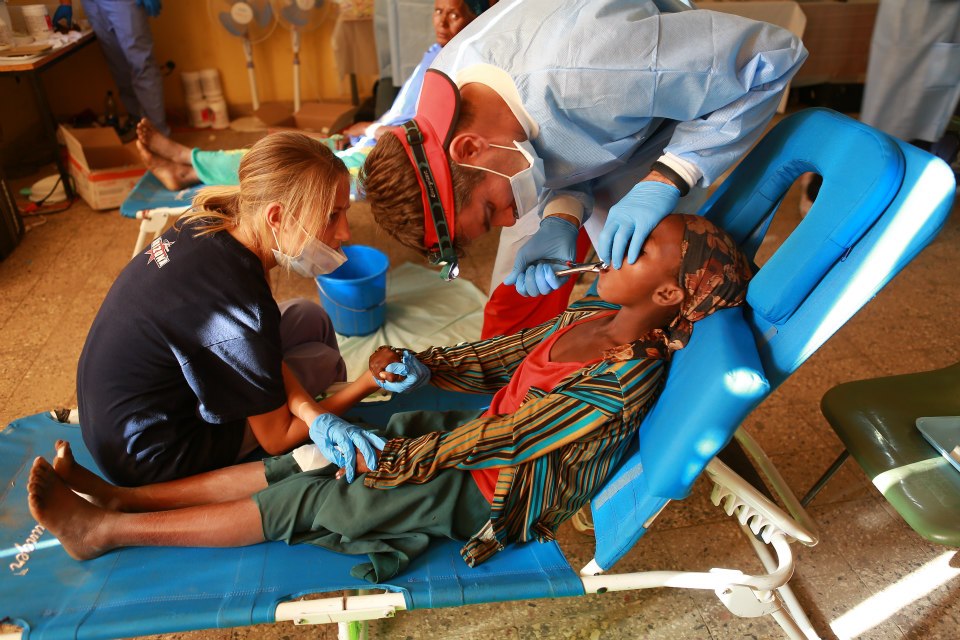
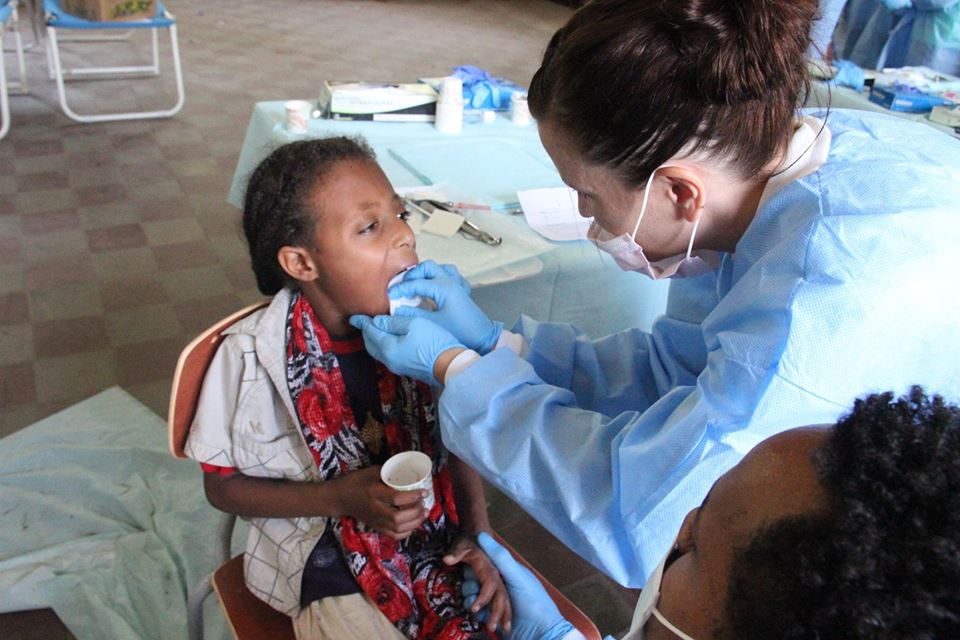
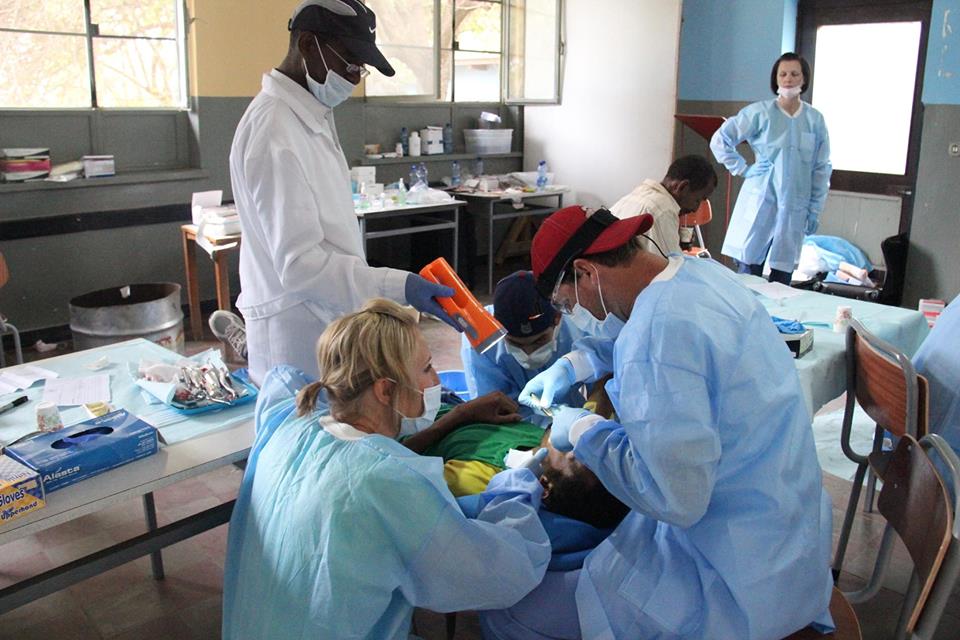
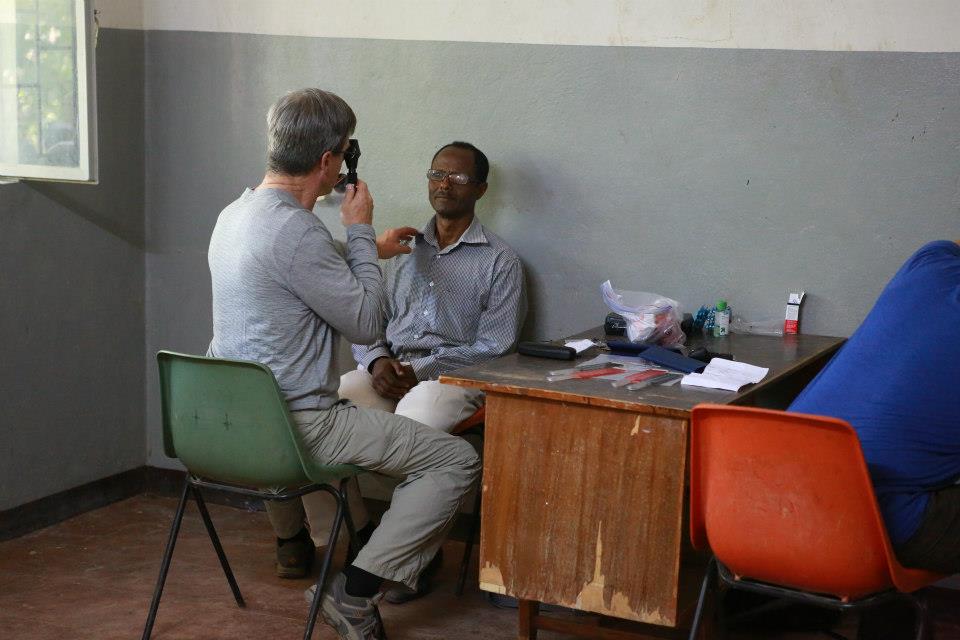
What Hope Arising has accomplished is nothing short of incredible and it was my complete honor to have been a small part of it. Our dental team treated over 500 people and the eye team saw 736 patients. Many patients received glasses for the first time in their lives. The most difficult part of the trip was leaving, knowing that there were still many hundreds needing our help. If you have the ability to join this incredible organization please do so. There are many ways to help throughout the year, from donating your time, helping with the annual golf tournament, or running in a mud run. You can sponsor a family with a small monetary monthly gift. Go with them as part of the team sometime soon! It doesn’t matter what your strengths, experiences and talents are, there is a job for you and you will work hard. But it will be the best work and one of the most satisfying experiences of your life. And, who knows, you might just find yourself in the process. At the very least, you will come home with a different perspective on what a bad day really looks like.

72294_416239901785901_176579018_n