How to help with braces cuts or sores?

Kara


Kara Johansen BSRDH

If you have ever had braces you know that there are many annoying side effects of working towards a beautiful, healthy, straight smile. Often orthodontic problems that can be taken care of at home before you can make it to your orthodontist office. Here is a list of tips to help the fellow brace face 🙂

Newly tightened braces-

Each time you get your braces tightened it means one step closer to removing them. However, it does make your teeth ache. They can be sore for 3-5 days. One study stated that 91% of adolescents had tooth discomfort during the process of having braces. (1)

  • Before you go into have your teeth adjusted it has been suggested to take an ibuprofen. Remember to only take the medication as directed on the bottle. Take the ibuprofen with milk or food to avoid a stomach ache.
  • After the appointment stick with soft foods like soup or smoothies. Some have said that cool foods feel good on newly tightened teeth.
  • One study stated that chewing sugar free gum after the procedure can cause relief. Aspergum, which is a gum with a little bit of aspirin had a good response in pain reduction. (2)

Sores from braces

A common side effect of braces are cuts in the cheek or canker sores.

  • A warm salt water rinse works wonders. Put a teaspoon of salt into a warm glass of water then swish and spit.
  • Over the counter anesthetic gels have shown to give relief. Orabase or Oragel can help.
  • A tea bag can be placed over the sore to help with sensitivity and inflammation.

Wire pocking lips and gums-

Sometimes when you are eating or brushing a twisted wire can be moved out of place. Remember that lots of times this situation can be avoided with eating the proper foods recommended by your orthodontist. There are a couple of solutions for this predicament.

  • Flexible wires can slip out of the bracket slots on the back teeth. A sterile tweezer can be used to slip the wire into the tube and back into place.
  • You can use the end of a pencil eraser to push the out of place wire behind the arch wire to make it more comfortable. Only do this on softer wires.
  • Dental wax can also be used to be placed around the wire to protect your tissues until you can see your orthodontist to get it fixed.


orthowax

http://us-professional.gumbrand.com/gumr-orthodontic-wax-mint-with-vitamin-e-and-aloe.html

relief-wax-colored

http://www.dental-wax.com/

Loose bracket or band-

If a bracket or band becomes loose you can place wax over the area to hold it into place. If it falls off, save it for when you go back to your orthodontist.

Swollen or puffy gums-

Proper oral hygiene is very important when you have braces. Improper oral hygiene can cause weakening of the enamel (white/dark brown spots), permanent inflamed gums, bleeding gums, halitosis, and cavities.

  • Brush and floss after every meal. Most important is to brush and floss before you go to bed.
  • If you have swollen gums call your general dentist to get a cleaning. It is a good idea to have cleanings every 3 months when you have braces instead of every 6 months. Have your arch wire taken out before your cleanings.
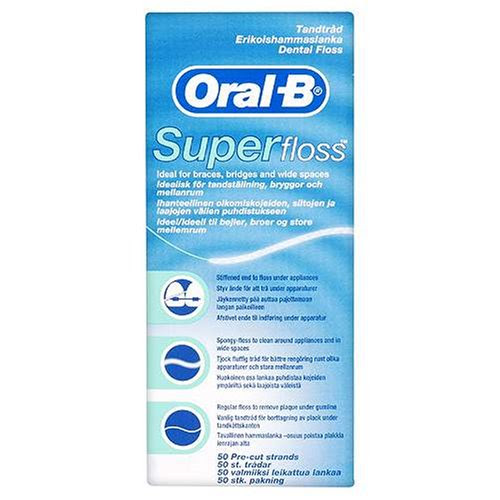
  • Super Floss, floss threaders, interproximal brushes, and Platypus flossers are very helpful.
  • Electronic toothbrushes are a better choice for cleaning your teeth and braces then a manual tooth brush. Water picks are also helpful to remove food debris.

imgres840r-2
874rn-2


imgres


www.oralb.com www.gumbrand.com www.PlatypusCo.com


Sources:

1. Attitudes and perceptions of adults towards orthodontic treatment in an Asian community. Lew KK Community Dent Oral Epidemiol. 1993 Feb; 21(1):31-5. [PubMed] [Ref list]

2. Proffit W R. Contemporary orthodontics. 3rd edn. St Louis: The CV Mosby Company; 2000. [Ref list]

3. http://www.orthocenters.org/emergency.php

Health and Nutrition

JW9(sm)


Julie West BS RDH 

Statistics from the World Health Organization show that up to 93% of diabetes, 81% of heart disease, 50% of strokes, and 36% of all cancers could be prevented by a healthy diet and lifestyle.  We have all heard of fad diets and medications that claim to slim you down in weeks, but have you looked at the asterisk on the bottom of your television screen during their commercials?  You will see that the testimonials you are seeing are from “results not typical” and have occurred in less and 5% of the people who took that particular diet plan or pill.  The best weight loss experts will tell you that there is no shortcut to being healthy.  Diet and exercise are essential in establishing and maintaining health.

Obesity is increasing in prevalence and is a major contributor to worldwide morbidity.  As obesity in this country rises, are we surprised that the prevalence of heart disease, diabetes, cancer, and other diseases rises too?  One of the dangers in obesity is due to a prolonged state of inflammation in the body.  Inflammation is the first response of the body to injury, cell damage, infection, or irritants.  Inflammation that is chronic and unresolved can lead to:

  • Rheumatoid Arthritis
  • Periodontal Disease
  • Diabetes
  • Cardiovascular Disease
  • Asthma
  • Cancer

Fat cells produce hormones and proteins that cause inflammation and insulin resistance, which promote cell growth.  Overweight people have high levels of substances circulating in their blood that stimulate cell division. The more often cells divide, the more opportunity there is for cancer to develop.  To help lower your risk for cancer, it is important to know how much inflammation is present inside your body.

At your next visit to your doctor, ask for a blood workup with a screening of your C-reactive protein, a protein made by the liver when there is inflammation in the body.

Inflammation also often manifests in the mouth.  If you have one or more of the above diseases, inflammation may be the underlying factor.  At your next dental visit, ask your dental hygienist if there is inflammation in your mouth.  Your dental hygienist can provide great information about the inflammation process and its effects on the body.


Source:

Brand-Miller J, et al. Cur Opin Lipidol 2012, 23(1): 62-7

Low Dog, MD. (February 2014). Cancer and Nutrition in the 21st Century. Western Regional Dental                    

Convention.  GC America, Phoenix, Arizona.


Flossing…Do I have to?

KO6A0979-Edit[1]
Wendy Parker RDH
 
Absolutely! In some shape or form, flossing is essential in keeping the mouth and the rest of your body healthy!
As a hygienist, I have heard almost every excuse as to why people don’t floss, and trust me, I understand! From the “I’m too tired at night” to the “I just don’t have time” or the “I just forget to,” my job today is to try and make it a little simpler for you to want to floss and to help you understand why we should floss.
 
As a mother of 4 little ones, I understand that flossing isn’t a priority somedays….getting showered is. But with that, let me just say, flossing really is something that you don’t see the immediate results from, but in 20 years when you have your teeth still and you are smiling at their graduation with all your pearly whites, you will thank me.
 
So, let’s start with answering the basic questions about flossing….WHY should I floss? I brush really well!Brushing is a wonderful thing, and we are encouraged to do it twice a day, for two minutes with a fluoride toothpaste. What most people don’t realize is that brushing only reaches that tops, outside and inside surfaces of the teeth. But how to get inbetween? There really isn’t a substitute for flossing, sorry to be the bearer of bad news. Rinsing with mouthrinse or using an electric toothbrush will definitely help with keeping the mouth cleaner however, it is NOT a substitute for flossing. Plaque and bacteria form on every surface in the mouth, including the tongue and inbetween the teeth, therefore, you have to clean every surface of the teeth, not just the ones you can see. The tongue, saliva, and brushing take care of the plaque on most surfaces of the teeth, but floss truly is the only way to get the sticky plaque off the sides.The idea behind flossing is that as long as you disrupt the bacteria in the mouth once every 24 hours, you prevent it from hardening and becoming tartar. Flossing is MOST effective just before or after brushing at bedtime but really….you can do it any time of the day! Stuck in traffic? Floss. Waiting to pick the kids up? Floss. Going for a walk? Floss. Any time is a great time to floss! When you floss, it prevents Gingivitis (inflammation of the gum tissues), bleeding gums, bad breath, and will make easier dental appointments! The more you floss, the easier it becomes and the less your gums will bleed. It’s kind of like riding a bike. The first time you get one, you’re a little shaky but with practice you’ll be jumping off curbs in no time!
A lot of times people don’t floss because their gums bleed. That is because the gum tissue in that area is unhealthy so the body sends more blood to that area to help it heal. When your gums bleed, and the bacteria from the plaque and tartar are present, that bacteria gets into your bloodstream it is carried throughout the body increasing your chances of heart disease, compromising your immune system, and possibly causing an infection in the lining of your heart, which can be deadly! So, the more you floss, the healthier your gums are and the less they bleed!
 
So now that we know why, let’s focus on HOW to properly floss….

  • Starting with about 18 inches of floss, wind most of the floss around each middle finger, leaving an inch or two of floss to work with
  • Holding the floss tautly between your thumbs and index fingers, slide it gently up-and-down between your teeth
  • Gently curve the floss around the base of each tooth, making sure you go beneath the gumline. Never snap or force the floss, as this may cut or bruise delicate gum tissue
  • Use clean sections of floss as you move from tooth to tooth
  • To remove the floss, use the same back-and-forth motion to bring the floss up and away from the teeth
       floss1 floss2 floss3
 
The type of floss you choose is up to you. My personal favorites are Glide floss and Oral-B Satin floss. You may need to try a few different types to find the one that’s right for you. But don’t give up! It does get easier. Flossing looks simple, right? But what if you don’t have the perfect and easiest mouth to floss? Or you hate how the floss cuts off your circulation in your fingers every time? When you walk down the dental isle in any store there are so many aides to assist you, so which one is right for you? Hopefully you have already asked your hygienist this question but if not, here are a few things for you to check out the next time you are perusing the dental isle.
 
Several of my patients enjoy using floss picks. These are a great way to start your day. They don’t cut off your circulation and are totally disposable. These are great to keep a pack in your car or purse when you’re out and about.
And you can find all kinds of cute designs for your kids! Kids don’t usually become proficient at flossing until 10 or 11 years old. It’s never too young to start them on flossing. They’ll thank you later!
 

For those with braces, bridges, or large gaps between their teeth you may want to try Oral-B’s superfloss. It is a piece of floss that has one stiff end, a thicker, yarn-like middle section, and regular floss at the end. It’s hand to floss your thread through those brackets, bridges, permanent retainers, and then use the floss width that fits the area. This is a favorite of mine.
Also for places that have a little bit of a space, braces or bridges, is the interproximal brush. Some are disposable, some are reusable, just check them out and decide which one you would like. But these are great for teens who get something stuck in their teeth at school and don’t want to carry a toothbrush with them. Or for men just before business meetings.
 
And of course, there are the rubber tips toothpicks. You can go back to old school and use a regular wooden toothpick if that’s your preference but these are great. They are small, disposable, and awesome for on the go. They have a flexible rubber tip you can get inbetween tight spaces, permanent retainers, and brackets. Check them out, you may like them.
 
I know that there are several other gadgets out there but these are just a few of my personal favorites. If you see one you like, ask us about it and we’ll do the research for you to see if it’s the best one for you! But no matter what you do, just be sure that you do your best and remember what Dory from Finding Nemo says, “Just keep flossing, just keep flossing, flossing, flossing…..” Or was is swimming?

Fluoride: It’s not just for the kids.

KO6A0990-Edit
Andra Mahoney BS RDH
 
When someone says fluoride, most of us automatically think children. While it is true that fluoride is an important part of our children’s oral health, it is also a necessity for adults as well. Adults, just like children, get cavities. So adults, just like children, should receive fluoride.In fact, there are many age related problems that increase our need for fluoride.Some examples include:

  • Eating disorders
  • Drug or Alcohol abuse
  • Lack of regular professional dental care
  • Poor Oral Hygiene
  • Exposed root surfaces of teeth, recession
  • Decreased salivary flow, resulting in dry mouth
  • Poor diet
  • Existing fillings
  • Tooth enamel defects
  • Undergoing head and neck radiation therapy

I’d like to address recession and dry mouth specifically, since those are very common problems.

Recession- Recession is when the gums have receded below the crown of the tooth, exposing the root to the tooth. 

IMG_0074      IMG_0076.

This creates two main problems. First, the roots of the teeth do not have enamel, they are covered by cementum.

IMG_0073

As we all know, enamel is the hard material that protects the surface of the tooth. Enamel is 70 times stronger than cementum. This, unfortunately, means that the roots of the teeth are more prone to decay than the crowns of the teeth. The best recommendation for recession and the prevention of decay is fluoride. Make sure you are using a soft bristled brush with soft brushing (to prevent further recession) in combination with fluoride toothpaste. Also, you may received fluoride treatments at your dental appointments. The most beneficial would be fluoride varnish. Your hygienist is able to apply this for you at each appointment. The varnish coats the tooth in a protective layer of fluoride to aid in the prevention of decay.

The second problem that recession creates is sensitivity. When the root is exposed tiny little tubules open up on the tooth and the chances for sensitivity increase. This makes eating or drinking cold or sweet things painful. You will often notice a sharp zing when the area of recession comes in contact with cold or sweet items. The best recommendation for sensitivity due to recession is fluoride. Sensitivity toothpaste, such as Sensodyne, contain an increased amount of fluoride (as opposed to regular toothpaste) to assist in the prevention of sensitivity (and decay).

IMG_0077

Fluoride varnish is also helpful as it coats the tooth and temporarily closes the tubules decreasing the sensitivity. 

IMG_0075

Xerostomia

The last topic that I wanted to address is dry mouth, also known as xerostomia. Many adults take medicine and the most common side effect of many medications is dry mouth. A decrease in saliva increases your risk for decay. Saliva is important in washing away bits of food, neutralizing acids created by bacteria, as well as containing minerals that help prevent tooth decay. If you are having problems with dry mouth, try rinsing with a fluoride mouth was or a saliva substitute.

  IMG_0079    

All these reasons and many more show the importance of fluoride use for adults. If you have any other questions about the other problems that fluoride can help with, feel free to make an appointment with us and we’ll answer all your questions! 


Want to learn more? Visit us at http://www.northstapleydentalcare.com/


References:

Fluoride Treatments in the Dental Office ADA: http://www.ada.org/sections/scienceAndResearch/pdfs/patient_72.pdf

Can Fluoride Help Adults? Colgate: http://www.colgate.com/app/CP/US/EN/OC/Information/Articles/Oral-and-Dental-Health-at-Any-Age/Adults/Adult-Maintenance-and-Care/article/Can-Fluoride-Help-Adults.cvsp

Recommendations for Using Fluoride to Prevent and Control Dental Caries in the United States CDC: http://www.cdc.gov/mmwr/preview/mmwrhtml/rr5014a1.htm

Pictures:

http://www.drneal.com/pages/library/images/clip_image002.jpg

http://worcesterdentalimplants.com/_ah/editor/images/DSC_0258.JPG

http://www.vaughns-1-pagers.com/local/sunnyvale-dentist/tooth-anatomy.gif

http://www.beffadental.com/wp/wp-content/uploads/2010/03/imbvarnish_brush1.gif

http://www.m.sensodyne.com/?redirectfrom=www.sensodyne.us+R-https%3a%2f%2fwww.google.com%2f

http://pics2.ds-static.com/prodimg/380812/300.JPG


What is Normal?

KO6A3321-Edit

Becky Larson RDH

In my short time as a dental hygienist I have had many patient ask me about “weird” things they have noticed inside their mouths. Many patients are worried or scared they might have oral cancer. While oral cancer should be checked regularly, many times the things patients are worried about are completely normal. In general, most mouths have the same or similar anatomy. However, there are variants of normal that one person may experience over another. I have listed a few of these normal variants here:

Tori: A torus or tori (plural) is simply an excessive growth of normal compact bone, either on the floor or roof of the mouth. They develop gradually and are asymptomatic. Tori can grow into many different shapes and sizes and are covered by the normal soft tissues of the mouth. Tori may make taking radiographs very uncomfortable or painful. No treatment is needed unless the patient is having problems speaking or swallowing. Even upon removal tori may grow back.


4e2fd78cc550f4e33c48c0a31a8c64[1]

http://images.radiopaedia.org/images/551480/4e2fd78cc550f4e33c48c0a31a8c64.jpeg


Fordyce granules: Fordyce granules are simply a cluster of sebaceous glands (glands that secrete oil, similar to a pimple) inside the mouth. Usually they occur on the inside of the cheeks or on the lips. They are yellow in color and more than 80% of adults over the age of 20 experience them. Fordyce granules are also asymptomatic and do not require treatment.

Lingual varicosities: Lingual varicosities are veins under and on the sides of the tongue. They can be red, blue, or purple in color and generally occur in clusters. Everyone has veins in and around the tongue that may vary in size, shape, or color.

lingual_varicosities-142CFA6D1EC5BDDC9F0[1]


http://classconnection.s3.amazonaws.com/107/flashcards/2728107/jpg/lingual_varicosities-142CFA6D1EC5BDDC9F0.jpg


Linea alba: Linea alba is a raised, white line usually along the inside of the cheek. It occurs as a result of clenching or biting the inside of one’s cheek. No treatment is necessary.

Luekoedema: Leukoedema is a generalized opalescent appearance of the inside of the mouth. It most commonly occurs in black adults but can be seen with any ethnicity. When the mucosa is stretched the opalescence is less noticeable. No treatment is necessary.

Amalgam tattoo: Believe it or not, I have seen tattoos inside the mouth! However, an amalgam tattoo is a little different. These “tattoos” result from previous amalgam (silver) fillings where part of the filling material seeps into the tissue. It creates a bluish-gray lesion and they can occur anywhere an amalgam filling has been placed. Amalgam tattoos can look very similar to oral cancer because of their color. A biopsy can determine the difference. Amalgam tattoos generally do not require treatment.


Amalgam_Tattoo_in_the_association_with_an_upper_molar-400x461[1]

http://drjohnart.com/wp-content/uploads/2012/05/Amalgam_Tattoo_in_the_association_with_an_upper_molar-400×461.png


Fissured tongue: Believed to be a result of familial genetic patterns, this variant is seen in about 5% of the population. It involves deep fissures or grooves on the dorsal (backside) of the tongue. Sometimes the tongue can become irritated if food or bacteria remain in the grooves for an extended period of time. No treatment is needed other than brushing the tongue to remove food/bacteria from the surface.

Fissured_tongue[1]


http://doctorspiller.com/images/OralAnatomy/Fissured_tongue.jpg


Geographic tongue: Geographic tongue appears as small, red patches on the dorsal (backside) of the tongue that are surrounded by a yellow or white perimeter. The appearance is similar to that of landmasses on a globe, hence the name “geographic” tongue. The patches may go away and return again in different areas. Stress can be a contributing factor to this condition. No treatment is needed.

Geographic-tongue-5[1]


http://medicalpicturesinfo.com/wp-content/uploads/2011/08/Geographic-tongue-5.jpg


   Make sure to be aware of what is inside your mouth. We recommended oral cancer screenings at least once per year.

As always, please go see your physician if you experience any of the following:

  • Spots, lesions, or discolorations that remain longer than 2 weeks that were not previously present.
  • Any changes is size, shape, or color to pre-existing lesions.
  • Anything that causes you pain or that your dentist recommends getting checked

Happy Oral Cancer Awareness Month!

Want to learn more? Visit us at http://www.alamedadentalaz.com

Information taken from:

Ibsen, O., and Phelan, J. (2009) Oral Pathology for the Dental Hygienist. St. Louis, Missouri: Saunders Elsevier.

Oral Cancer Detection

KO6A8495-Edit - Copy

Lora Cook RDH

Your Dentist can play vital role in detecting cancerous cells in the mouth at stage 0 to stage 1.

“According to the National Cancer Institute, most mouth cancers start as small flat cells that are in the lining of the mouth.” These area’s include lips, inside lining of the cheeks, roof or floor of the mouth. Also area’s of the tongue, sides of the tongue and under the tongue. The back of the throat is another area in the mouth that cancer can form. When oral cancer is caught early before it grows deeper into the tissue and progresses into the lymph nodes the outcome for the patient is good.

  • Stage 0 – Is the precancerous stage, this is where cells are identified to be abnormal. They have the potential to develop into tumor.
  • Stage 1 – Is when the primary tumor is 2 centimeters or smaller. In this early stage there are no cancer cells present in the nearby oral tissues or lymph nodes.

So what can the dentist do to catch oral cancer in the precancerous and primary stage of development? Its is called the Velscope! This is a tool used by the dentist to help detect precancerous and cancerous cells in small and early stages not easily seen by the naked eye. This type of exam is more thorough. This scope helps the doctor check for abnormalities just under the tissue surface. It can show where abnormal cells are, months and even years before they become easily visible to just the naked eye.

velscope-vx-starter-kit[1]

http://www.leddental.com


Frequently asked questions:

What does the doctor look for?

The scope will direct fluorescence light to find abnormal cells. When looking through the scope healthy tissue will fluoresce, any tissue that is abnormal will appear dark. So the doctor is looking for any dark spots or areas. The dentist and your hygienist will also do a manual exam shown below feeling for lumps or bumps, and unilateral abnormalities.

oral-cancer-screening[1]

http://therightsmile.files.wordpress.com/2013/04/oral-cancer-screening.jpg?w=611&h=611


Is radiation involved when using the Velscope?

This exam is very safe, and there is no radiation involved. However the doctor will have you where some orange safety glasses to protect your eyes from the blue LED light from the scope.

How long does the exam take?

This exam takes all of one to two minutes to complete. Just long enough for the doctor to look at all the oral tissue in the mouth looking through the scope.

How often should I have this type of exam?

The doctor recommends thorough oral cancer screenings done at least once yearly.

American Cancer society recommends for people age 20 and older yearly screenings and exams for oral cancer.


Want to learn more? Visit us at http://www.alamedadentalaz.com


Sources:

http://www.livestrong.com/article/22882-early-stages-mouth-cancer/

http://www.webmd.com/oral-health/guide/oral-cancer

http://www.ddsgadget.com/ddsgadgetwp/velscop-early-detection-of-oral-cancer/

http://www.leddental.com

Oral Cancer Monthly Self Exam

KO6A3300-Edit[1]


Amanda Orvis RDH

The prevalence of oral cancer is on the rise; in fact one person dies per hour from oral cancer. In the early stages oral cancer can often times go unnoticed. It can be painless and not obvious to the naked eye. The most common areas for oral cancer are the floor of the mouth & sides of the tongue. That being said, oral cancer can be found in various locations as well as a variety of shapes, colors and sizes. It is important that you perform monthly oral self-exams. If you notice any suspicious areas that do not go away within seven to fourteen days make an appointment with your dentist to have them checked. Remember early detection saves lives.

OCF_wristband-2T

How to perform a monthly self-exam:

Supplies: Flash light and a mirror

Steps:

  • Take a moment to look at the skin on your face and neck in the mirror. Look for any changes in the color of your skin, any changes in moles or beauty marks, any swelling, lumps or sores.
  • Use both hands to gently feel along the outside of your cheeks, your lower jaw bone, your jaw joint, in front of and behind both ears. Checking for any areas that do not feel uniform on both sides, any lumps and/or any areas that are swollen or tender.
  • Gently use both hands to feel down the sides of your neck, follow the path along the neck muscles. Gently place your fingertips around your “Adam’s Apple” and swallow. Try to notice if it moves up and down normally or if there is any deviation.
  • Gently use both hands to feel the tissue above and around your clavicles for any swollen or tender areas, or areas that do not feel uniform on both sides.
  • Remove any removable dentures or appliances from your mouth.
  • Use the flashlight to check the roof of your mouth for changes in color or texture. Use your index finger to lightly sweep the roof of your mouth to feel for any lumps or swellings.
  • Pull out your upper lip and then your lower lip looking for any changes in color, size and/or texture. Gently squeeze each lip and cheek with your thumb and index finger feeling for any lumps or tender areas.
  • Using your fingers gently pull your tongue forward and check the back of your throat. Also check all the surfaces of the tongue and the floor of your mouth looking for any changes in color, size and/or texture in the tissue.
  • Lift your tongue to the roof of your mouth. Using both of your index fingers gently place one index finger on the floor of your mouth and the other index finger under your chin and press your fingers towards each other feeling for any swellings or tenderness along the floor of the mouth.
  • Look at your gums for any change in color and/or texture. Run a finger around all the surfaces of your gums feeling for any swollen or tender areas. \

What to look for specifically:

  • White patches
  • Red patches
  • Sores that fail to heal
  • Lumps, bumps or masses
  • Any areas that are differ from one side to another


oral-cancer

 Want to learn more? Visit us at http://www.alamedadentalaz.com


Sources:

http://myoms.org/procedures/head-neck-and-oral-cancer

http://fightoralcancer.org/information/images/

http://www.sixstepscreening.org/wp-content/uploads/SixStepScreening.pdf

http://oralcancerfoundation.org/

http://www.google.com/url?sa=i&rct=j&q=&esrc=s&source=images&cd=&cad=rja&uact=8&docid=lh3dem7gJGMA5M&tbnid=lSyDf2Zx6tGb8M:&ved=0CAUQjRw&url=http%3A%2F%2Fwww.ocfstore.org%2Foral_cancer_wristbands_p%2Focf_wristband.htm&ei=73M9U_K4DuO0yAGh6IDABA&bvm=bv.63934634,d.aWc&psig=AFQjCNE7TOClwAu96v2KHsbn1XlrAdQ49w&ust=1396622626125563

https://www.google.com/url?sa=i&rct=j&q=&esrc=s&source=images&cd=&cad=rja&uact=8&docid=osKRQqBu-J5qcM&tbnid=o3zZpWEozQnX-M:&ved=0CAUQjRw&url=https%3A%2F%2Fstjamesdentalgroupcudahy.wordpress.com%2Ftag%2Foral-cancer-self-exam%2F&ei=YXQ9U6uJBaKQyAGt9oHQDw&bvm=bv.63934634,d.aWc&psig=AFQjCNFoFpa18hNHhvzAAzKxqgandu3-2Q&ust=1396622812272438

http://www.google.com/url?sa=i&rct=j&q=&esrc=s&source=images&cd=&cad=rja&uact=8&docid=JWvDkHxnv4okFM&tbnid=VRZ3RjtVWC5AKM:&ved=0CAUQjRw&url=http%3A%2F%2Flaneendsdental.wordpress.com%2F2013%2F06%2F15%2Fmouth-oral-cancer-in-the-news%2F&ei=zHU9U_XoB6_lygHGu4HQDA&psig=AFQjCNEyDetzw_20EKBCjYSVXCnqHqZW5A&ust=1396623042961165


What is Vaping Anyways? An Examination of Electronic Cigarettes

Kara

Kara Johansen BS RDH

13ecig-web1-articleLarge[1]

What are electronic cigarettes?

Electronic cigarettes are also known as ENDS (electronic nicotine delivery system), electronic cigarettes, or E-cigs. “Electronic cigarettes are designed to look like cigarettes, right down to the glowing tip. When the smoker puffs on it, the system delivers a mist of liquid, flavorings, and nicotine that looks something like smoke. The smoker inhales it like cigarette smoke, and the nicotine is absorbed into the lungs. The e-cigarette is usually sold as a way for a smoker to get nicotine in places where smoking is not allowed.” (www.cancer.org) When people use ENDS it is sometimes called vaping

E-cigs have a vaporization system, rechargeable batteries, controls and areas to refill the liquid for vaporization. The ENDS can contain between 6mg to over 100 mg of nicotine.  Nicotine can be lethal in large amounts, 0.5-1.0 mg per kj of weight of the person. Because the products contain nicotine they can cause dependence and addiction. The chemicals used in the liquid for vaporization is not fully known. The products are not labeled or stated on the bottles.

e-cigdesign[1]

ENDS are usually shaped to look like “conventional” tobacco products like cigarettes, cigars, cigarillos, pipes, hookahs or shishas. Some companies make them to look like ordinary pens, or USB memory sticks to make them more discrete. (The World Health Organization http://www.who.int/tobacco/communications/statements/eletronic_cigarettes/en/)

Why do people use electronic cigarettes?

Electronic cigarettes are on the rise throughout the world and in the United States. Here are some “commonly reported reasons for use: to quit smoking, to avoid relapse, to reduce urge to smoke, or as a perceived lower-risk alternative to smoking. Few studies, however, have explored whether electronic cigarettes (e-cigarettes) deliver measurable levels of nicotine to the blood. ” (Carcoran O., Dawkins L, 2013) This means that without measurable levels of nicotine in the blood it may not be an effective tool to quit smoking.

According to the US Centers for Disease Control and Prevention (CDC) the percentage of highschool and middle school students who have used electronic cigarettes has doubled from 2011 to 2012. Highschool increased from 4.7% in 2011 to 10% in 2012 and middle school increased from  1.4% to 2.7%. The National Youth Tobacco Study found that by 2012 more than 1.78 million middle and high school students in the US had tried e-cigarettes. (CDC, 2013)

teen-girls-smoking-e-cigarettes-9-6-13[1]

“ENDS use is expanding rapidly despite experts’ concerns about safety, dual use and possible ‘gateway’ effects. More research is needed on effective public health messages, perceived health risks, validity of self-reports of smoking cessation and the use of different kinds of ENDS.” (Pepper JK, Brewer NT http://www.ncbi.nlm.nih.gov/pubmed/24259045) This statement is from a study completed in 2013. It is saying that even though experts are worried that it ENDS may not be safe and can lead to drug abuse of other substances the sales of E-cigs are increasing.

“The primary concern is whether e-cigarettes have the capability of introducing nonsmoking youth to cigarette smoking,” said Thomas J. Glynn, PhD, American Cancer Society’s director of cancer science and trends and international cancer control. “Will we have new cigarette smokers out of this? A very clear message is that we are very much in need of FDA (US Food and Drug Administration) regulations that will limit access to e-cigarettes to youth.”(Simon, 2013)

Acting through the Family Prevention and Tobacco Control Act of 2009 the FDA is working on creating regulations for the ENDS products. The FDA will require that electronic cigarettes label what is in the product, and how they can market and sell the ENDS. A few states have set regulations on selling and promoting e-cigarettes to ages 18 and younger, however, it is not illegal to sell ENDS to youth in most states. (Simon 2013) The producers of e-cigs are marketing to children, creating products that are meant to taste like candy.

candy_3[1]

Are Electronic Cigarettes Safe?

“The safety of ENDS has not been scientifically demonstrated.

The potential risks they pose for the health of users remain undetermined. Furthermore, scientific testing indicates that the products vary widely in the amount of nicotine and other chemicals they deliver and there is no way for consumers to find out what is actually delivered by the product they have purchased.

Most ENDS contain large concentrations of propylene glycol, which is a known irritant when inhaled. The testing of some of these products also suggests the presence of other toxic chemicals, aside from nicotine. In addition, use of these products -when they contain nicotine can pose a risk for nicotine poisoning (i.e. if a child of 30 Kilos of weight swallows the contents of a nicotine cartridge of 24 mg this could cause acute nicotine poisoning that most likely would cause its death) and a risk for addiction to nonsmokers of tobacco products. Nicotine, either inhaled, ingested or in direct contact with the skin, can be particularly hazardous to the health and safety of certain segments of the population, such as children, young people, pregnant women, nursing mothers, people with heart conditions and the elderly. ENDS and their nicotine cartridges and refill accessories must be kept out of the reach of young children at all times in view of the risk of choking or nicotine poisoning.

ucm273606[1]

As ENDS do not generate the smoke that is associated with the combustion of tobacco, their use is commonly believed by consumers to be safer than smoking tobacco. This illusive ‘safety’ of ENDS can be enticing to consumers; however, the chemicals used in electronic cigarettes have not been fully disclosed, and there are no adequate data on their emissions.”

http://www.who.int/tobacco/communications/statements/eletronic_cigarettes/en/

A study done by the FDA found cancer-causing substances in half the e-cigarette samples tested. Other impurities were also found, including one sample with diethylene glycol, a toxic ingredient found in antifreeze.

Studies have shown that e-cigarettes can cause short-term lung changes that are much like those caused by regular cigarettes. But long-term health effects are still unclear. This is an active area of research, and the safety of these products is currently unknown. (http://www.cancer.org/cancer/cancercauses/tobaccocancer/questionsaboutsmokingtobaccoandhealth/questions-about-smoking-tobacco-and-health-e-cigarettes)


Conflicting View Points

Dr. Thomas J. Glynn MA, MS, PhD, who is the director of Cancer Science and Trends and director of International Cancer Control for the American Cancer Society from the American Cancer Society created list of reasons why people favor e-cigarettes and why they oppose to their use.

Those who favor e-cigarettes list as benefits:

  • Their ability to deliver nicotine to the user without many of the other 7,000+ chemicals in a regular, burned cigarette;
  • Their absence of secondhand cigarette smoke;
  • Their resemblance to regular cigarettes, which provide the tactile and visual sensations – holding them in a certain way, a glowing tip, blowing smoke, etc. – that many cigarette smokers have become used to, or even psychologically dependent upon; and
  • Their potential for aiding cigarette smokers to who wish to quit to do so.

 Choice between cigarette and e-cigarette

Those with concerns about e-cigarettes warn of:

  • Lack of scientific data about their safety. Simply put, e-cigarette users cannot be sure of what they are inhaling, since e-cigarettes have not been subjected to thorough, independent testing and, due to their manufacture by many different companies, there are no quality assurances in their production processes;
  • Lack of scientific data about their effectiveness as quit-smoking aides;
  • Lack of scientific data regarding their ability to deliver enough nicotine to satisfy withdrawal effects;
  • Lack of scientific data about the effect of secondhand vapor from e-cigarettes;
  • Lack of scientific data about whether the use of e-cigarettes encourages smokers who might have otherwise quit to continue smoking and only use e-cigarettes when they are in no-smoking environments; and
  • Lack of scientific data about whether youth may use e-cigarettes as an introduction to smoking regular cigarettes.

In the end one can clearly see the controversy over wether or not ENDS are good or bad.

Can I use ENDS to help me quit smoking?

“The efficacy of ENDS for helping people to quit smoking has not been scientifically demonstrated.

ENDS are often touted as tobacco replacements, smoking alternatives or smoking cessation aids. But we know that for smoking cessation products to be most effectively and safely used, they need to be used according to instructions developed for each product through scientific testing. There are no scientifically proven instructions for using ENDS as replacements or to quit smoking. The implied health benefits associated with these claims are unsubstantiated or may be based on inaccurate or misleading information. When ENDS are used as cessation aids, they are intended to deliver nicotine directly to the lungs. None of the approved, regulated cessation aids, such as nicotine patches and chewing-gum, delivers nicotine to the lungs. Therefore, the biological mechanism by which smoking cessation might be achieved by delivery of nicotine to the lungs and its effects are unknown. Delivery to the lung might be dangerous. Therefore, independently of the effects of nicotine, it is of global importance to study lung delivery scientifically.

The dose of delivered nicotine is also unknown. It is suspected that the delivered dose varies notably by product, which contain nicotine in various quantities and concentrations.”

http://www.who.int/tobacco/communications/statements/eletronic_cigarettes/en/


9007629_s_0[1]


In Conclusion-

An article found on the US National Library of MedicineNational Institutes of Health looked at how ENDS awareness increased from 16% to 58% from 2009 to 2011, and use increased from 1% to 6%. The article included data gathered from 49 other studies. The majority of users were current or former smokers. Many users found ENDS satisfying, and some engaged in dual use of ENDS and other tobacco.

No longitudinal studies examined whether ENDS serve as ‘gateways’ to future tobacco use. Meaning no studies have been completed that extend long periods of time. Some longitudinal studies are decades of gathered data. ENDS are a new product. There is no way to tell the long term effects of electronic cigarettes on the human body until one of these studies is completed. Self-reported survey data has been completed. Meaning people using the product filled out a questionnaire which includes their feelings and beliefs. These studies have validity problems. Prospective trials  and self-reported surveys suggest that ENDS might help cigarette smokers quit, but no randomized controlled trials with probability samples compared ENDS with other cessation(quitting smoking) tools. Randomized controlled trials are the only reliable research worthy of trusting.  (Pepper JK, Brewer NT http://www.ncbi.nlm.nih.gov/pubmed/24259045)

The World Health Organization states “Until such time as a given ENDS is deemed safe and effective and of acceptable quality by a competent national regulatory body, consumers should be strongly advised not to use any of these products, including electronic cigarettes.”

In conclusion reliable, independent, randomized controlled research needs to be conducted to solidify the pros and cons of electronic cigarettes. There is simply not enough information as to whether vaping is safe to use or a good tool to decrease or end smoking. Our public health choices and policies need to be decided upon fact. As for my health and the health of our patients I will wait or advise a patient to wait to use an electronic cigarette.

diversegroup[1]

Want more info?

Want to learn more? Visit us at http://www.northstapleydentalcare.com/

Sources:

Carcoran O., Dawkins L, Acute electronic cigarette use: nicotine delivery and subjective effects in regular users. Psychopharmacology (Berl). 2014 Jan;231(2):401-7. doi: 10.1007/s00213-013-3249-8. Epub 2013 Aug 27. http://www.ncbi.nlm.nih.gov/pubmed/23978909

Centers for Disease Control and Prevention. Electronic Cigarette Use Among Middle and High School Students—United States, 2011-2012. Morbidity and Mortality Weekly Report. September 6, 2013
*(Etter, JF, Bullen, C, Flouris, AD, Laugesen, M, and Eissenberg, T “Electronic Nicotine Delivery Systems: A Research Agenda, Tobacco Control Online First, March 17, 2011 as 10/1136/tc.2010.042168).
http://www.cancer.org/cancer/news/expertvoices/post/2011/05/03/electronic-cigarettes-e28093-boon-bane-blessing-or-boondoggle.aspx

Glynn T. MA, MS, PhD, Electronic Cigarettes – Boon, Bane, Blessing, or Boondoggle?, (May 6, 2011), http://www.cancer.org/cancer/news/expertvoices/post/2011/05/03/electronic-cigarettes-e28093-boon-bane-blessing-or-boondoggle.aspx

Pepper JK, Brewer NT, Electronic nicotine delivery system (electronic cigarette) awareness, use, reactions and beliefs: a systematic review. (2013 Nov 20). Gillings School of Global Public Health, University of North Carolina, , Chapel Hill, , North Carolina, USA. doi: 10.1136/tobaccocontrol-2013-051122.  http://www.ncbi.nlm.nih.gov/pubmed/24259045

Questions and answers on electronic cigarettes or electronic nicotine delivery systems (ENDS) (9 July 2013) http://www.who.int/tobacco/communications/statements/eletronic_cigarettes/en/

Simon S. Electronic Cigarette Use Doubles Among Teenagers. (9-9-2013) http://www.cancer.org/cancer/news/news/electronic-cigarette-use-doubles-among-teenagers

Image Sources:
#2  https://student.societyforscience.org/article/dangerous-rise-electronic-cigarettes

#3 http://www.drugfree.org/join-together/tobacco/use-of-e-cigarettes-among-middle-and-high-school-students-doubles

#4  https://student.societyforscience.org/article/dangerous-rise-electronic-cigarettes

#5 http://www.fda.gov/newsevents/publichealthfocus/ucm172906.htm

#6 https://student.societyforscience.org/article/dangerous-rise-electronic-cigarettes

#7 http://ehealthmd.com/content/want-learn-how-quit-smoking-webquit-study-offers-free-online-smoking-cessation-help#axzz2xHfAcGUy

#8 http://www.nih.gov/health/clinicaltrials/basics.htm


Want to learn more? Visit us at http://www.northstapleydentalcare.com/

Save a Tooth, Save a Smile

JW9(sm)

Julie West BS RDH

I have had several nightmares about my teeth being knocked out.  I wake up in a panic to the relief that they are still there.  Losing a tooth to injury can be very scary, and those precious minutes following the displacement of the tooth are critical.  If you are a parent, a coach, or have any involvement with children, the following tips can equip you to save a smile.

saveatooth640x480www.saveatooth.com

Baby teeth 

If a child loses a baby tooth after injury, DO NOT attempt to put the tooth back into its socket.  Instead, place the tooth into a tooth saver like this one approved by the ADA.

If you do not have a tooth saver handy, a container of milk, water, or saline solution can be used.  DO NOT scrub/rinse the tooth clean!  Get the child to the dentist as soon as possible.  The faster the tooth can be reimplanted by a dentist, the better.

According to Martha Ann Keels, DDS, PhD, division chief of Pediatric Dentistry at Duke University, injuries to children’s teeth are both common and preventable.  She states, “The good news is most dental injuries can be avoided. But if an accident does occur, don’t worry –- most times even a tooth that’s been knocked out completely can be saved if proper care is taken in the first 20 minutes,” Keels said.

Time is of the essence.

Adult Teeth

If an adult or teenager loses an adult tooth after injury, DO put the tooth back into the socket immediately!   If the tooth has been soiled, gently rinse it with water being careful not to scrub/rinse off any attachments.  Hold the tooth by the crown and gently insert it into the socket.  Hold the tooth in the socket with clean cloth/ gauze until the adult can get to the dentist.

If it is not possible to reinsert the tooth (it is broken into several pieces), use a tooth saver container, milk, water, or saline solution to transport the pieces with the patient to the dentist as soon as possible.

There is no guarantee of long-term retention of a replanted tooth. A small percentage of replanted knocked-out teeth will be lost even with optimum treatment.

Bottom line: get the person and the preserved avulsed teeth to the dentist FAST!

Click here to view the tooth saver product pictured above.  I would encourage all parents, coaches, and school teachers to have a kit like this on-hand in case of dental trauma.  And, of course, all children playing sports should be wearing a mouthguard to help avoid such injuries.  See your dentist to have one made for your child.

www.ada.org

http://www.dukehealth.org/health_library/health_articles/dental_emergency_what_to_do_when_your_child_damages_a_tooth

http://www.prweb.com/releases/2012/7/prweb9734289.htm

Want to learn more? Visit us at http://www.northstapleydentalcare.com/

Dental Insurance 101

Kim McCrady

Kim McCrady RDH BS

Dental insurance can be a confusing subject to even the savviest subscriber.  Why?  They make it confusing for a reason. Dental insurance companies are in business to make money for their stockholders and to pay out as little as possible on YOUR dental claims. Did you know, on average an insurance company has a goal to pay out less than 35% of your total maximum annual benefits?  That is roughly $350 per patient per year.  That covers routine exams, x-rays and routine dental cleaning twice in a 12-month period of time.   The good news is we are here to help you navigate the gauntlet and get your moneys worth from your plan.

1-     Know your dental insurance plan.  A common mistake is to assume your medical and your dental insurance are the same company.  Almost always, this is not the case.  Interestingly,  many dental insurance companies do not provide you with an ID card.  The solution is to ask your HR department.  They should be able to provide you with the name and the phone number of your dental insurance carrier. EX:

imgres (2)

www.deltadentalva.com

2-     Providing accurate information to your dental office is the first step to getting your claims paid.  You will need your subscriber ID number and the subscribers’ date of birth and the patients date of birth.  You should know many companies still use your social security number to identify you in their system.  If you are uncomfortable with them using your social security number you can request a unique ID number.

3-     Know your annual deductible.  Almost every dental plan has a deductible they require you to satisfy before they begin to pay out benefits on your dental claims.  This deductible can vary in amount.  There are usually individual and family deductibles.  Family deductibles are often three times the individual deductible. Deductibles can apply to any dental service billed to your insurance company.

4-     Many plans do NOT reset your annual benefits in January.  You should know your benefit year.  This is important so you do not leave unused benefits to the insurance plan.  By knowing your plan year, you can maximize your coverage.

5-     Your plan has a maximum amount of benefits they will pay on each family member each benefit year.  The average maximum benefit is $1500 per year.

6-     Although your plan has a maximum amount of benefits per year that are earmarked for your care, the insurance companies pay out your benefits on a percentage scale, NOT at 100% per claim until you have reached your maximum.   This scale usually has three categories for dental services:

1-Preventative

2-Basic

3-Major

Each insurance company places dental services into a category.  It is important to know how your plan categorizes services so you can better understand you estimated coverage from you dental plan.

7-     When your dental office estimates insurance coverage for the dental services you are receiving from the office, it is only as ESTIMATE.  Any time you or your dental office call your insurance carrier, the insurance company representatives often read a disclaimer to inform you a description of benefits is NOT a guarantee of payment.  It can be very difficult to provide an accurate estimate of insurance coverage.  You should expect a down payment for your care and a balance bill after your carrier has processed your claim.

8-     Once your dental claim has processed and your plan has paid their percentage of the services to your dentist, you receive an explanation of benefits (EOB).  Many people do not even open their EOB’s and read them.   They can be very complex, but very informative.  EOB’s include the fees billed to your plan for services rendered, payments made by the insurance company on your claim and the patient portion for the services.  Often, your plan will include any notes explaining adjustments to payments, including subjecting the claim to frequency limits for services, other exclusions including a feature referred to as down coding.

eob-sample

www.bcbs.com

9-     Down coding is a loophole insurance companies have instituted that allows them to pay their contracted percentage on a lesser service.  The two most common down coded procedures are tooth colored crowns and tooth colored fillings on back (posterior) teeth.   For example, if a tooth colored filling costs $200 and you have 80% coverage on basic services, most plans will not pay the $160.  They will “down code” to minimize their responsibility for the services.   Therefore, the claim will be received at $200, subjected to your deductible, down coded to a fee for a lesser service, such as a silver filling at $140.  Assuming a $50 deductible, the insurance will pay their 80% on $90 instead of $200.  This nets a total insurance payment of $72 on your $200 claim and a $128 patient portion.

10- But what if you have a secondary plan to help with your dental claims? Be careful and DO NOT assume your secondary plan will pick up the patient portion for your primary claim.  You need to be sure you know if your secondary plan has a “non-duplication of benefits clause”.  This means your secondary plan will only pay the difference between what your primary plan covered and what they would have covered if they had been primary.  For example, if a claim is submitted for $1000 for dental services to your primary insurance company and your primary covers the service at 50% (assuming the deductible is satisfied and there is no down coding) the primary should pay $500.  If you have a non-duplication of benefits clause, the secondary will not pay the patient balance of $500 to complete the claim if, they too, would have covered the services at 50%.  But let’s say the secondary plan had 60% coverage for the services rendered and would have paid $600 on the claim.    Then they should make payment of an additional $100 so the total insurance payments received between the two plans is equal to the payment they would have made, had they been the primary plan.  Secondary insurance often is most beneficial when the primary plan has been maxed out and the secondary begins to pay benefits for care.

In plain English, dental insurance is very different than medical.  There are no set co-payments for each office visit.  Each visit is considered by your plan once it is received and processed according to the guidelines and limitations of your plan.  There are thousands of dental plans with thousands of loopholes and limitations.  And it seems the limitations are changing on a daily basis.

Your best bet to successfully utilize your dental insurance coverage is to join forces with your dental office administrators.   They spend hours obtaining breakdowns of benefits, applying this information to your care plan, sending the claim with all supporting documentation, following up on the claim weekly to assure payment on your behalf and will often have to repeat the process for you when the insurance company claims to have not received the information.  Be kind to them.  They are working for you to get you more than the average 35% of your benefits.

Want to learn more? Visit us at http://www.northstapleydentalcare.com/