What is a filling?

KO6A3321-Edit

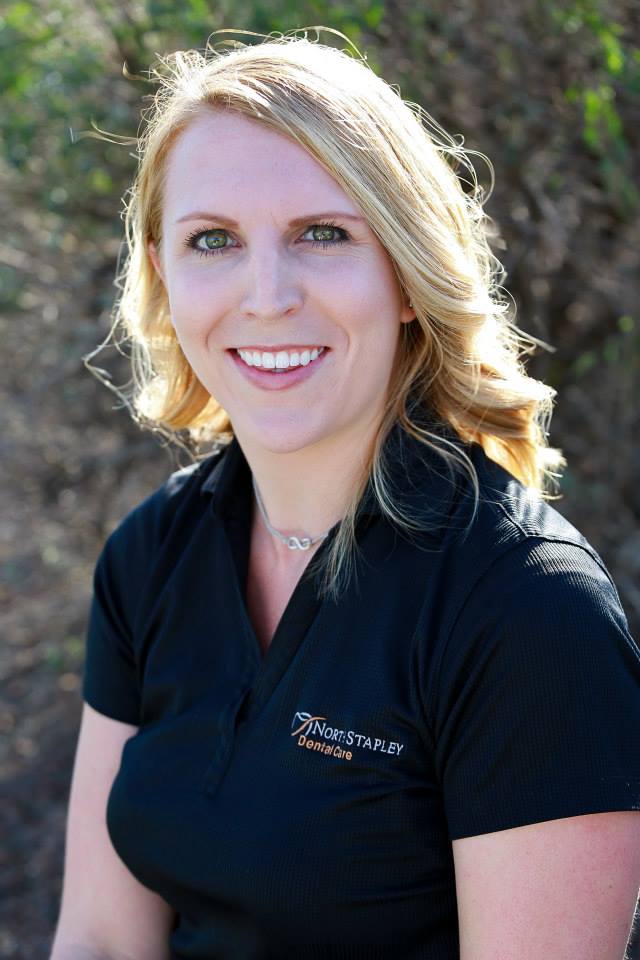
Becky Larson, RDH

What is a filling?

As a dental hygienist, I find that more often than not, my patients are confused.  Dental professionals tend to speak a “different language” and it can be very hard to understand.  A dental filling is a very common procedure that is performed at the dental office.  This post will go over what a dental filling is.

Unfortunately, teeth are prone to decay.  When decay occurs on one or more surfaces of a tooth, a hole or cavity forms.  A dental filling is the standard treatment used to fix a tooth with one or more areas of small decay.  By placing a filling, a dentist is able to restore a tooth back to its normal function and shape.  When a dentist gives you a filling, he or she first removes the decayed tooth material with a dental drill, cleans the affected area, and then fills the cleaned out cavity with a filling material.

A filling also helps to prevent future decay because it closes off spaces where bacteria may enter.  Materials used for fillings include gold, porcelain, composite resin (tooth-colored fillings), and amalgam (an alloy of mercury, silver, copper, tin and sometimes zinc).

It is important to follow your dentist’s recommendations for placing fillings.  When decay is left untreated it can cause the tooth to fracture, cause an abscess or infection, and/or destroy the inside or pulp of the tooth. As a result, more extensive treatment such as a crown, root canal, and/or extraction may be needed.

Want to learn more? Visit us at

http://www.shalimarfamilydentistry.com

http://www.northstapleydentalcare.com

http://www.alamedadentalaz.com

http://www.dentistingilbert.com

Sources:

http://www.colgate.com/en/us/oc/oral-health/procedures/fillings/article/what-is-a-filling

https://www.nlm.nih.gov/medlineplus/ency/article/001055.htm

Reducing stress over the holidays

KarenK

Karen Kelley RDH

Reducing stress over the holidays

I love the holidays with all the lights, delicious food, and good company, but they can be accompanied by so many activities; shopping, baking, cooking and so many other things that can fun, but can also be stressful. I feel sad when someone tells me they hate the holiday season. I think much of that feeling of dread is from the stress surrounding the holiday that can come from a variety of reasons.

baby_3143423b

We all know that stress is bad for our overall health. Stress can be a factor in “heart disease, including heart attacks, skin conditions, including psoriasis and shingles, digestive disorder flare-ups, such as symptoms of irritable bowel syndrome, ulcerative colitis, and Crohn’s disease, immune disorders, including flare-ups of multiple sclerosis and lupus, anxiety, depression, and insomnia and worsening pain, if you already have a pain disorder such as arthritis, back pain, and muscle spasms.”

060791-christmas-stress

To avoid getting sick at the holidays and having the sickness derail plans for a joyful holiday season, Ronald Nathan, PhD, clinical professor at Albany Medical College in New York says that, “When we think about the holidays, we dwell on the past and what went wrong, or we romanticize it and make it impossible to re-create,” He counsels people to carefully examine their thoughts and expectations, and not drive themselves crazy finding “the perfect gift” or planning “the perfect party.” “Instead,” he says, “lower your expectations, and overestimate — rather than underestimate — your time.”

We need to ease up on ourselves, plan well and if things don’t get done exactly the way we planned or the Christmas cards don’t get out on time, give ourselves a break and try to enjoy the time spent with family and friends.

If the holidays are particularly painful because of a loss of loved ones or other stress inducing memories during the season, consider doing something completely different so the expectations are changed completely. Go out of town, find some new friends to spend the holidays with, go serve Christmas dinner at a shelter. If you’re alone for the holidays, plan to have a meal at your home and invite new or old friends to spend the time with you. Let your friends know you will be alone, your friends and family will want you to be included. Also, don’t forget to be active and continue your normal exercise routine. Exercise is a great way to reduce stress.

Here are 10 ideas for reducing stress from WebMD

  1. Meditate

A few minutes of practice per day can help ease anxiety. “Research suggests that daily medidation may alter the brain’s neural pathways, making you more resilient to stress,” says psychologist Robbie Maller Hartman, PhD, a Chicago health and wellness coach.

  1. Breathe Deeply

Take a 5-minute break and focus on your breathing. Sit up straight, eyes closed, with a hand on your belly. Slowly inhale through your nose, feeling the breath start in your abdomen and work its way to the top of your head. Reverse the process as you exhale through your mouth.

  1. Be Present

Slow down. “Take 5 minutes and focus on only one behavior with awareness,” Tutin says. Notice how the air feels on your face when you’re walking and how your feet feel hitting the ground. Enjoy the texture and taste of each bite of food. When you spend time in the moment and focus on your senses, you should feel less tense.

  1. Reach Out

Your social network is one of your best tools for handling stress. Talk to others — preferably face to face, or at least on the phone. Share what’s going on. You can get a fresh perspective while keeping your connection strong.

  1. Tune In to Your Body

Mentally scan your body to get a sense of how stress affects it each day. Lie on your back, or sit with your feet on the floor. Start at your toes and work your way up to your scalp, noticing how your body feels.

  1. Decompress

Place a warm heat wrap around your neck and shoulders for 10 minutes. Close your eyes and relax your face, neck, upper chest, and back muscles. Remove the wrap, and use a tennis ball or foam roller to massage away tension.

  1. Laugh Out Loud

A good belly laugh doesn’t just lighten the load mentally. It lowers cortisol, your body’s stress hormone, and boosts brain chemicals called endorphins, which help your mood. Lighten up by tuning in to your favorite sitcom or video, reading the comics, or chatting with someone who makes you smile.

  1. Crank Up the Tunes

Research shows that listening to soothing music can lower blood pressure, heart rate, and anxiety. “Create a playlist of songs or nature sounds (the ocean, a bubbling brook, birds chirping), and allow your mind to focus on the different melodies, instruments, or singers in the piece,” Benninger says. You also can blow off steam by rocking out to more upbeat tunes — or singing at the top of your lungs!

  1. Get Moving

You don’t have to run in order to get a runner’s high. All forms of exercuse, including yaga and walking, can ease depression and anxiety by helping the brain release feel-good chemicals and by giving your body a chance to practice dealing with stress. You can go for a quick walk around the block, take the stairs up and down a few flights, or do some stretching exercises like head rolls and shoulder shrugs.

  1. Be Grateful

Keep a gratitude journal or several (one by your bed, one in your purse, and one at work) to help you remember all the things that are good in your life.

“Being grateful for your blessings cancels out negative thoughts and worries,” says Joni Emmerling, a wellness coach in Greenville, NC.

Use these journals to savor good experiences like a child’s smile, a sunshine-filled day, and good health. Don’t forget to celebrate accomplishments like mastering a new task at work or a new hobby.

When you start feeling stressed, spend a few minutes looking through your notes to remind yourself what really matters.

image-9-for-yourlife-telly-money-gallery-489415949

In our family, we’ve had a difficult year, so I’m expecting to use many of these ideas to help us not just get through the holidays but to enjoy them. Stress is literally a killer so try some of these ideas to see if they help you also.

Take care of yourself and stay healthy!!

Want to learn more? Visit us at

http://www.shalimarfamilydentistry.com

http://www.northstapleydentalcare.com

http://www.alamedadentalaz.com

http://www.dentistingilbert.com

Sources:

http://www.webmd.com/balance/stress-management/features/tips-for-reducing-holiday-stress

http://www.healthline.com/health-slideshow/10-ways-to-relieve-stress

http://www.webmd.com/balance/guide/blissing-out-10-relaxation-techniques-reduce-stress-spot
Is Your Toothbrush Making you Sick?

Sharma RDH

Sharma Mulqueen RDH

Is Your Toothbrush Making you Sick?

Everyone’s focusing on the hand washing when they’re sick, with good reason. But how about washing your toothbrush? Washing your hands can reduce the risk of illness since we put our hands in our mouths, our eyes, our ears. So why is there no focus on cleaning the toothbrush during illness when we stick it directly into our mouths? What can we do to prevent the germs from passing on?

Reintroducing that toothbrush back into your mouth could be the worst thing you could be doing for your health on a daily basis.

Screen Shot 2015-12-05 at 1.42.45 PM

That doesn’t mean don’t brush.

Many studies clearly state that all of the presently available toothbrushes have the ability to be infected by a wide range of microorganisms, including viruses which can cause the common cold to even herpes. Pneumonia-causing bacteria also are found on a toothbrush.

Screen Shot 2015-12-05 at 1.42.56 PM

What can you do?

According to the Centers for Disease Control (CDC), a simple regimen for toothbrush care is sufficient to remove most microorganisms from your toothbrush and limit the spread of disease. Here are some common-sense steps you can take:

  • Wash your hands thoroughly with soap and warm water before and after brushing or flossing.
  • After brushing, rinse your toothbrush with warm water and store it upright to air-dry.
  • Don’t cover your toothbrush or place it in a closed container until it is completely dry. A moist environment can foster bacterial growth.
  • Use a completely dry toothbrush. Everyone should have two toothbrushes to give ample time (24 hours) for it to dry out in between uses.
  • Don’t share a toothbrush with anyone. Also, don’t store toothbrushes in a way that might cause them to touch and spread germs.
  • Replace your toothbrush every three or four months. Dentists recommend this practice not as prevention against contamination, but because toothbrushes wear out and become less effective at cleaning teeth.
  • Always replace your toothbrush after a cold or other illness to prevent contamination.
  • If you or someone else in your family is sick, that person should use a different tube of toothpaste (travel size, for example), to prevent spreading germs to other toothbrushes.
  • The toothbrush should be viewed as a necessary evil as well as a bio hazard. Make sure it is clean before using it!

In summary, do not reuse your floss, keep your toothbrush clean, and replace during and after illness. Store it outside the bathroom and use it several times per day. Brush twice a day for two minutes and floss daily and see your dentist every six months for check ups!

Want to learn more? Visit us at

http://www.shalimarfamilydentistry.com

http://www.northstapleydentalcare.com

http://www.alamedadentalaz.com

http://www.dentistingilbert.com

Sources:

https://www.deltadentalins.com/oral_health/toothbrush.html

http://guidetodentistry.com

http://www.cdc.gov/oralhealth/infectioncontrol

Sodium Lauryl Sulfate and Canker Sores

AriannaM

Arianna Ritchey, RDH

Sodium Lauryl Sulfate and Canker Sores

There are many different types of toothpastes available to consumers, and there are a variety of benefits available in each of the different types of toothpastes related to their active ingredients.  With so many different ingredients present in toothpastes, some toothpastes may cause an unpleasant or even allergic reaction inside the mouth.  One ingredient commonly found in toothpaste that can cause reactions in some patient is Sodium Lauryl Sulfate, also known by its abbreviation, SLS.  

Screen Shot 2015-11-29 at 10.43.38 PM

SLS is a foaming agent that creates that nice, rich foam we expect from our soaps and toothpastes. It’s also a detergent, and thus strips away hard-to-get-rid of fats.  Similar to other detergents, SLS can be an irritant to those with sensitive skin or a sensitivity to SLS itself.  SLS is found in many shampoos, soaps, and is used to create a foaming action in all Colgate brand toothpastes and Crest brand toothpastes.  

Screen Shot 2015-11-29 at 10.43.48 PM

Screen Shot 2015-11-29 at 10.43.57 PM

The most common reaction to SLS in the mouth is the development of aphthous ulcers, more commonly known as canker sores.  Canker sores are benign ulcerations of the soft tissues that can range from a minor irritation to a major ulcer which can be quite painful.   While the actual cause of canker sores is unknown, certain factors are recognized as triggers of the onset of a canker sore.  Any type of trauma to the mucus lining of the mouth can trigger a canker sore, be it inadvertently biting the tongue or cheek, or perhaps a food irritant such as chocolate, mustard, nuts, tomatoes, shellfish, and or pineapple.  An irritant like SLS may also trigger canker sore development.

Screen Shot 2015-11-29 at 10.44.05 PM

At this time there are no treatments to prevent a canker sore, but once they have developed, canker sores may be treated palliatively with a topical anesthetic, like Orajel.  Another option for treatment is laser therapy by a laser-certified dental hygienist, or dentist.  Heat from the laser is used to kill any virus present and to stimulate the body’s healing potential.  Laser treatments take about 15 minutes and most patients feel better immediately following treatment.  

Screen Shot 2015-11-29 at 10.44.14 PM

If you are experiencing recurrent sores in your mouth, many dental professionals recommend switching to a toothpaste without SLS to see if that helps resolve the issue.  Two toothpastes which are SLS-free and are accepted by the American Dental Association are Rembrandt Premium Whitening Mint Toothpaste, and Sensodyne ProNamel Mint Essence Toothpaste.  


Screen Shot 2015-11-29 at 10.44.25 PM


Screen Shot 2015-11-29 at 10.44.37 PM

If mouth sores persist after the discontinuation of a SLS toothpaste, this may be an indication of a nutritional deficiency, including deficiency in iron, folic acid, and other B vitamins.  Vitamin supplements or an improved diet may eliminate these deficiencies, but it is advisable to ask your physician for a nutritional assessment.

Want to learn more? Visit us at

http://www.shalimarfamilydentistry.com

http://www.northstapleydentalcare.com

http://www.alamedadentalaz.com

http://www.dentistingilbert.com

Sources:

http://www.massdental.org/cankersores.aspx

http://www.mayoclinic.org/diseases-conditions/canker-sore/basics/causes/con-20021262

http://slsfree.net/sodium-lauryl-sulfate-cause-acne/

http://www.acneeinstein.com/scalp-acne-caused-by-sodium-lauryl-sulfate-in-shampoos/

http://www.colgatetotal.com/health-benefits/toothpaste-ingredients

You Are What You Eat!

AnnC

Ann Clark RDH

You Are What You Eat!
What you eat and how often are important factors for preventing and maintaining good oral health.  The minute you eat or drink changes start occurring in your mouth.  Bacterias change sugars and carbohydrates into acids which attack the tooth’s enamel causing damage to occur.  The more you eat and snack, the more you expose your teeth to the decay cycle.
The best food choices are cheese, chicken and meat, nuts and milk.  These foods protect your enamel by providing calcium and phosphor needed to remineralize teeth subjected to acid attacks.  Other good choices are firm, crunchy fruits (apples/pears) and veggies.  These have a high water content, diluting the effects of sugars and stimulating saliva which helps cleanse your teeth through buffering the acids.  Acidic food like citrus fruits, tomatoes and lemons should be eaten as part of a meal to keep teeth protected.
Poor food choices are candy, mints, cookies, cake, pie, bread, muffins, chips, fries, pretzels, bananas and dried fruits. (No fun at all).  While containing larger amount of sugar they also are sticky on the tooth’s surface.  In addition, cough drops, like candy, need also be used minimally.
What about beverages?
Water, of course, is your best option, especially fluoridated water.  Also milk, and unsweetened tea are fine.  Limit your sugary drinks though, and drink up, do not sip through the day so as to constantly expose your tooth’s enamel to acid attacks.   Poor choices include: lemonade, soda, Gatorade, energy drinks, coffee/tea with sugar.  These expose your teeth to sugar, again creating the environment for acid attacks.
Sugar substitutes, although tasting like sugar, do not digest the same and do not “feed” the mouth’s bacterias or produce the decay-causing acids.  Sugarless and sugar-free labels mean no sugars were added during processing.  However, it could contain other natural sweeteners, like honey.  Examine your labels.
What about gum?
Sugarless gum is actually beneficial to the teeth as chewing actually helps to dislodge food stuck between the teeth and increases salivary flow to buffer the acids.  Do not become a gum chewer if you suffer from jaw pain.   Some gums containing xylitol are very beneficial.  Xylitol is a sugar alcohol used as a sweetener.  It is as sweet as sugar with 33% less calories.  Xylitol is actively beneficial by reducing cavities to a third in regular use and helpful to remineralization.
Thinking twice about your next snack move can prove helpful to both body and mouth…Apples anyone?
Source:
Wikipedia.org
WebMD.com

The “T’s” of Thanksgiving

KO6A0979-Edit[1]

Wendy Parker RDH

The “T’s” of Thanksgiving

It’s that time of year again, when the holidays are upon us, family and friend gatherings, and days seem to get shorter and shorter.  With each passing year, it seems like we become busier and busier and time grows shorter and shorter.  This holiday season, I hope we all take the challenge and remember all the big and the little things we can be thankful for each and every day.  At the end of your day, I hope that we remember to say thank you to someone, to smile, and to be grateful for the small and simple things in life.  With that said, and with the fact that I am a hygienist, I am listing just a few things that I am thankful that begin with the letter “T.”

TEETH that help me smile, talk, and eat
Teeth
Toothbrushes and Toothpaste to keep my mouth healthy and happy
Turkey, who doesn’t love Turkey?!
Turkey
Trivia, to enlighten me with random facts of knowledge
Trivia Pursuit
Technology that enables us to solve problems and obtain information at the touch of hand
Technology
Terrific Employers, Friends/Employees I work with and Patients that make my job more than just an occupation
Signature
consisting of:
North Stapley
Shalimar
Alameda
Smiles
Screen Shot 2015-11-07 at 4.20.13 PM
From all of us here, we wish you the happiest and most memorable holiday season!  May you know how grateful we are for YOU this Thanksgiving Season!

AZ Mission of Mercy

KO6A0990-Edit

Andra Mahoney, BS RDH

AZ Mission of Mercy

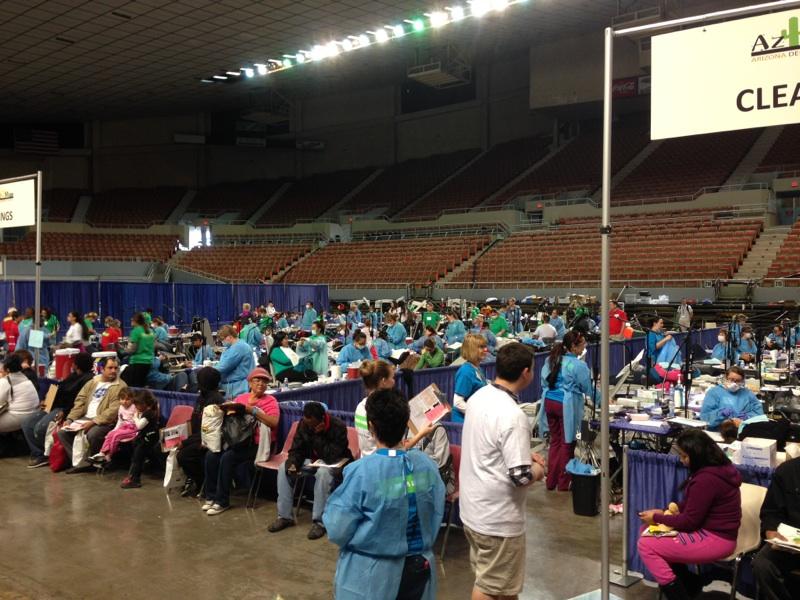
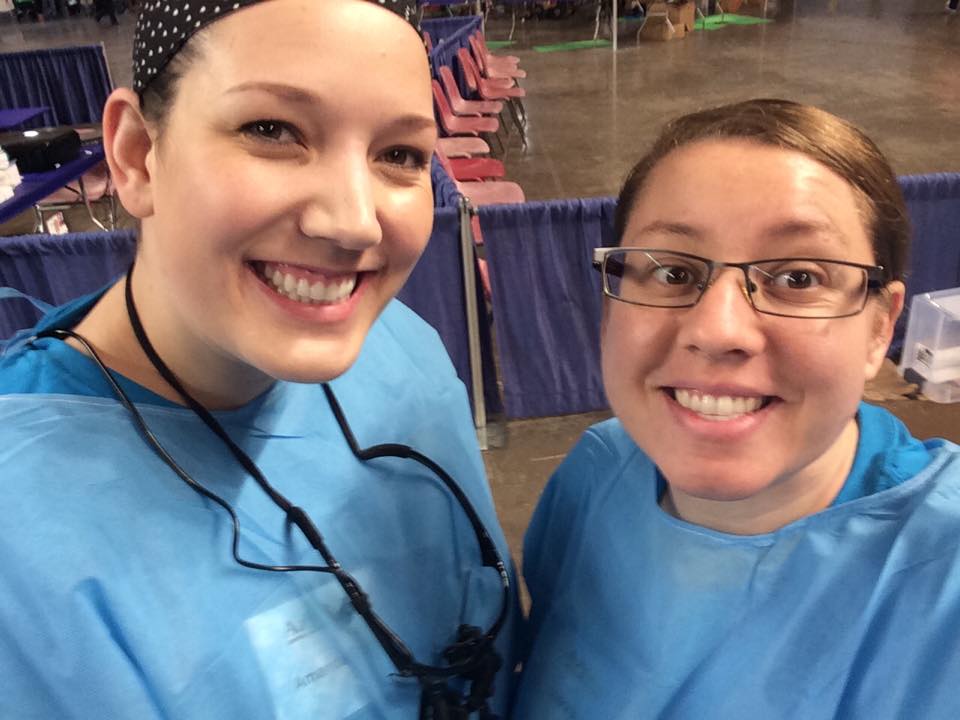
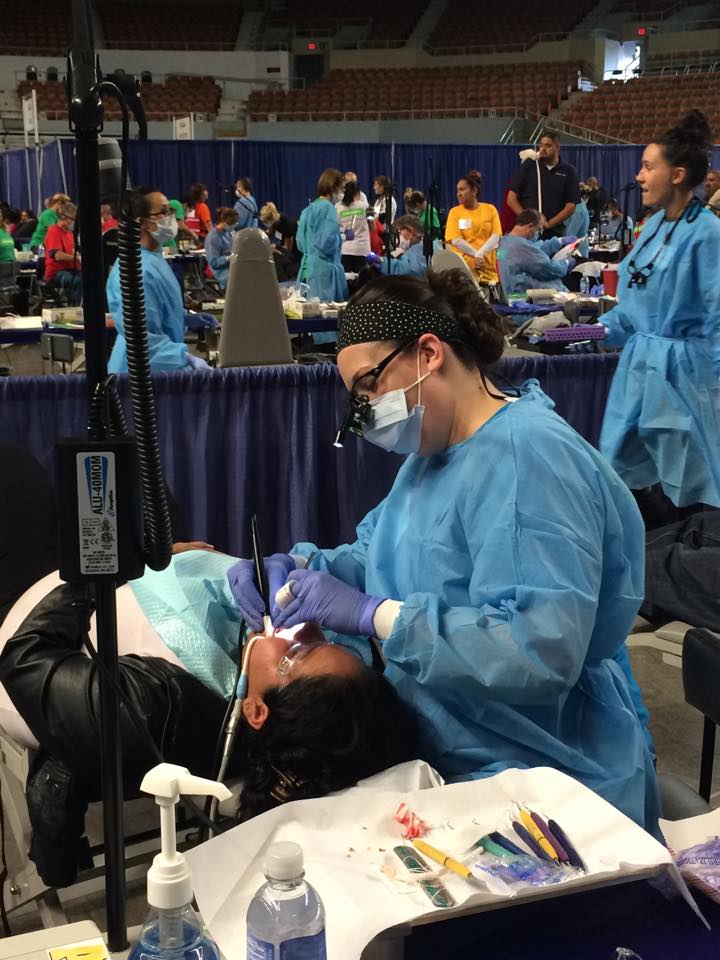
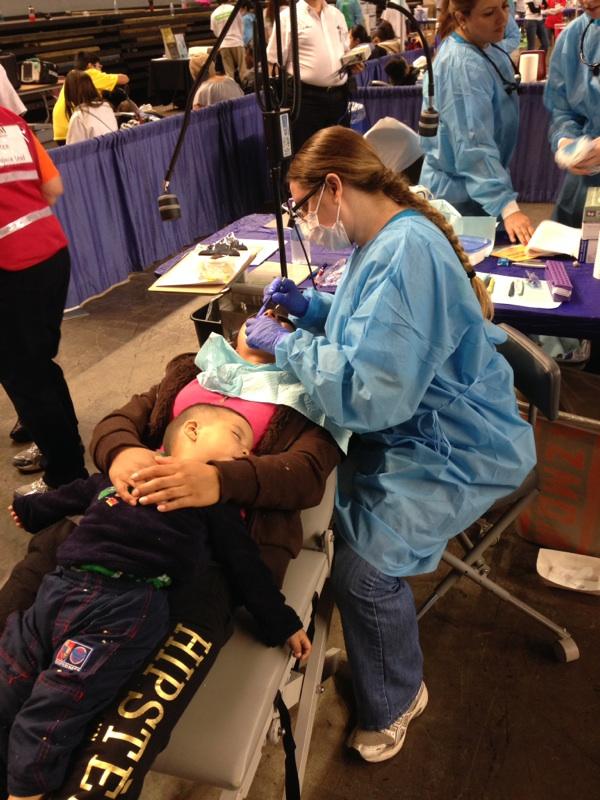
Next month, Decemeber 11th-12th, our offices will be going down to the AZ State Fairgrounds in Phoenix and volunteer again at the 4th Annual AZ Mission of Mercy.

“Since 1994, Mission of Mercy has been providing free healthcare, free dental care, and free prescription medications to the uninsured, under-insured, and those who “fall through the cracks” of our healthcare system.

An independent nonprofit 501 (c)(3), faith-based community organization, Mission of Mercy receives no government funding. Because of this, we can provide healthcare without any pre-qualifications. None of our patients must prove their poverty or residency.

Founded in 1991 and launched in 1994 by clinical pharmacist, Gianna Talone Sullivan, Pharm D., headquartered in Pennsylvania and serving clinics in Arizona, Maryland, Pennsylvania and Texas, Mission of Mercy now has 17 clinics providing more than 25,000 free patient visits each year.”

Here are some pictures of when our offices volunteered last year:

AZ MOM Line

This was the line waiting to get in.  Thousands of people waited overnight and in the rain to receive dental care.

IMG_0414

IMG_0425

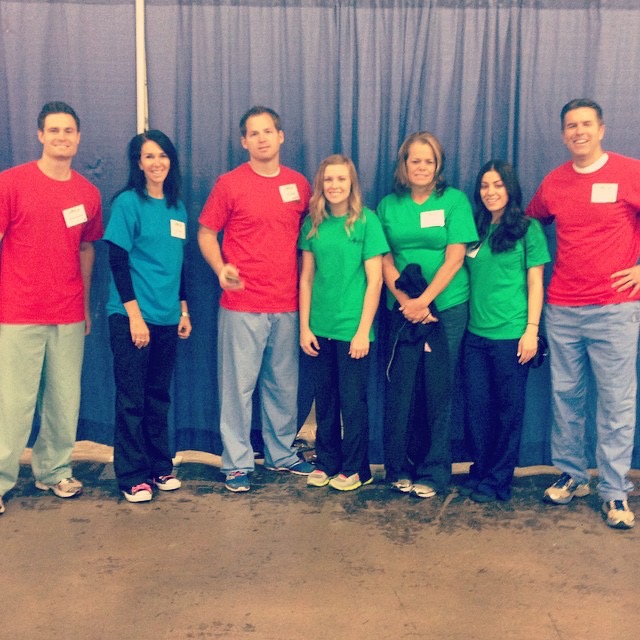
Some of our great team!  From Left to Right: Dr Dastrup, Ann – Hygienist, Dr Miller, Morgan – Assistant, Darlene – Assistant, Jennifer – Assistant, and Dr Jenkins.

IMG_0415

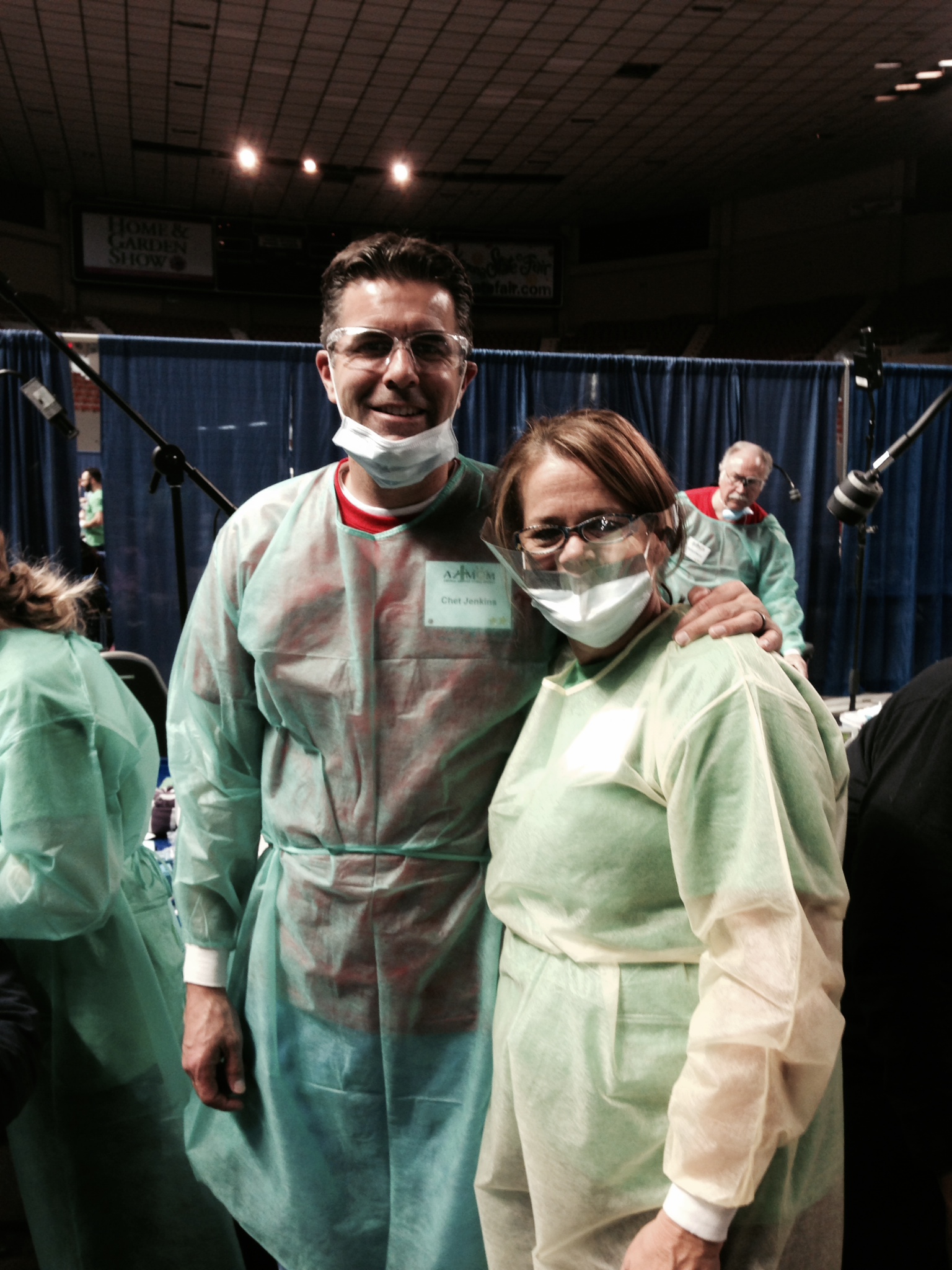
Dr Jenkins and Darlene

IMG_0416

Dr Miller and Morgan

Dr D AZ MOM

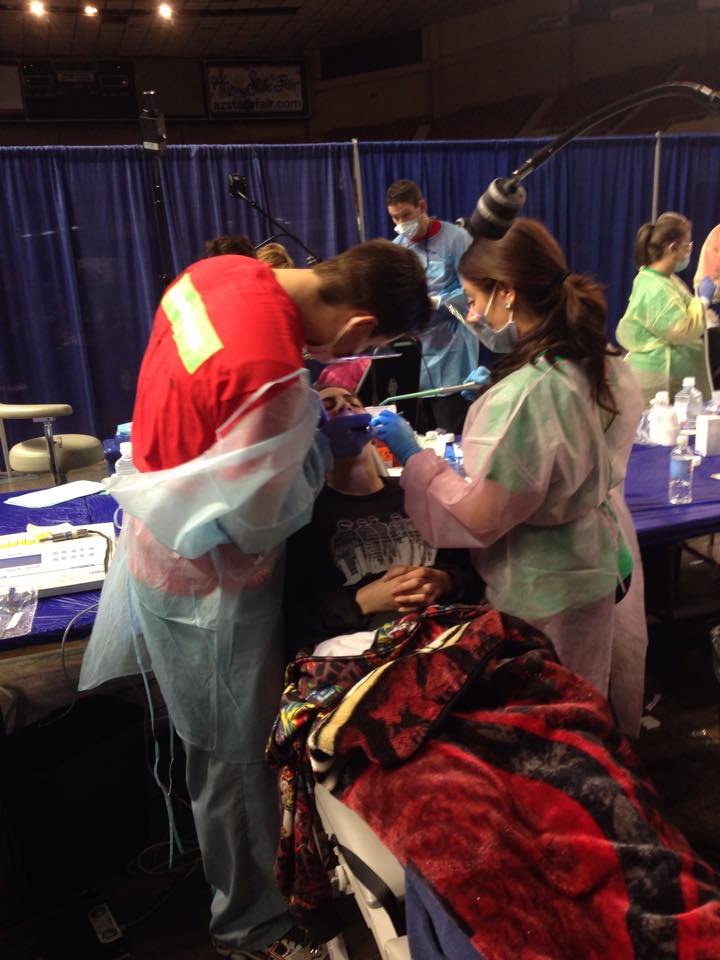
Dr Dastrup and Jennifer, hard at work!

Anne AZ MOM

Ann, Hygienist, helping brighten smiles!

Amanda Andra AZ MOM

Amanda and Andra, Hygienists, getting ready to clean!

Amanda AZ MOM

Amanda, Hygienist, helping fight plaque and tartar build-up to make a happy mouth!

IMG_0413

After waiting in such a long line, it feels nice to relax and have Andra, Hygienist, clean your teeth!

IMG_0347

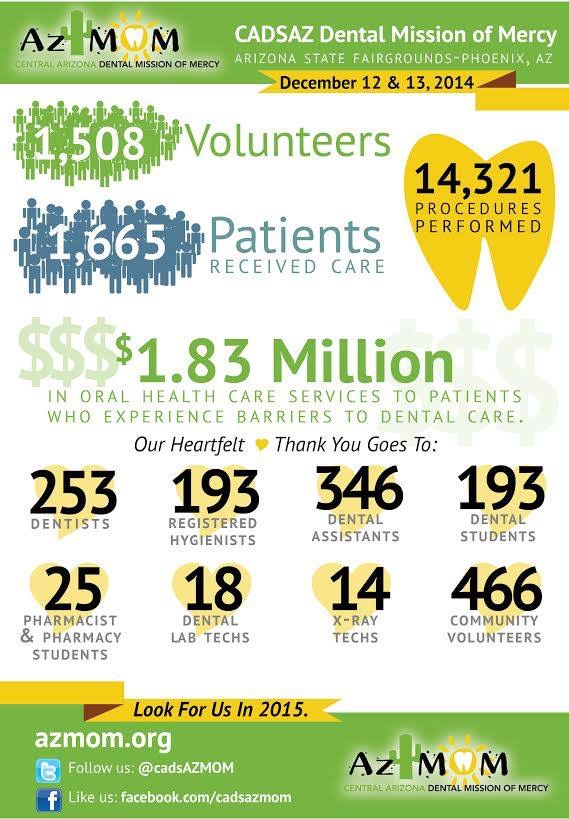
Here are the awesome statistics from last years Mission of Mercy event.  We are looking forward to going again this year!  If you are interested in volunteering for this event, everyone is welcome!  You do not have to be a medical profession, there is a job for everyone.

Want to learn more? Visit us at

http://www.shalimarfamilydentistry.com

http://www.northstapleydentalcare.com

http://www.alamedadentalaz.com

http://www.dentistingilbert.com

Sources:

https://www.azmom.org/


3D Imaging in Dentistry

KatieM

Katie Moynihan, BS RDH

3D Imaging in Dentistry

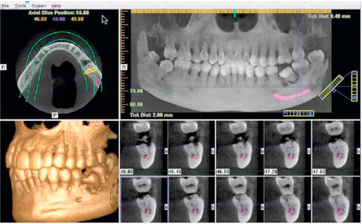
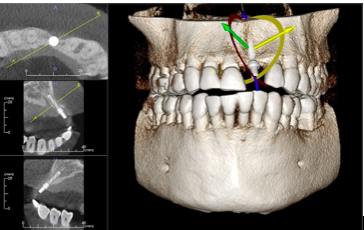
Dental x-rays are a routine part of your dental visit. Unfortunately, x-rays can only show the healthcare provider a 2D image of your tooth structure and supporting bone. Our North Stapley office is excited to now offer our patients a 3D imaging device called Cone Beam Computed Tomography, or CBCT. All patients at any of our locations can utilize this great technology.  This device is able to capture a 3D scan of a patient’s maxillofacial skeleton for diagnostic purposes.

Uses for a CBCT Scan:

CBCT scans are used in many different fields of dentistry to improve diagnosis and treatment planning in the following cases:

Endodontics
-Tooth morphology, number of canals and root curvature
-Identification of periapical pathology
-Location of trauma, root fractures

Dental implants
– Location of anatomic structures
– Size and shape of ridge, quantity and quality of bone
-Number, orientation of implants
-Need for bone graft, sinus lift
– Use of implant positioning software

Oral and maxillofacial surgery
– Relationship of third molar roots to mandibular canal
– Localization of impacted teeth, foreign objects
-Evaluation of facial fractures
-Location and characterization of lesions

Orthodontics
– Treatment planning for complex cases
– Impacted teeth
-Root angulation, root resorption

Sleep Apnea
-Identification of obstructive airway

Temporomandibular joint or TMJ
– Osseous structures of TMJ
-Relationship of condyle and fossa

Screen Shot 2015-10-25 at 9.59.31 PM

How Does It Work:

The patient is precisely placed in a comfortable position at the machine. The scan takes about 20 seconds to rotate around the head, obtaining nearly 600 distinct images. The focused x-ray beam reduces scatter radiation, resulting in better image quality. Once complete, the 3D image is immediately available for viewing and diagnosing. The scan produces a wide variety of views and angles that can be manipulated to provide a more comprehensive evaluation. One CBCT scan uses about 1/20th the radiation of a traditional head and neck scan at the hospital.

Screen Shot 2015-10-25 at 10.14.56 PM

There are many benefits to using a 3D imaging CBCT system in dentistry. We are excited to be able to provide top of the line technology to our patients. This new machine will be beneficial in increasing predictability by decreasing failure to provide you with the best quality of care!

Screen Shot 2015-10-25 at 10.15.10 PM

Want to learn more? Visit us at

http://www.shalimarfamilydentistry.com

http://www.northstapleydentalcare.com

http://www.alamedadentalaz.com

http://www.dentistingilbert.com

Sources:


http://www.fda.gov/Radiation-EmittingProducts/RadiationEmittingProductsandProcedures/MedicalImaging/MedicalX-Rays/ucm315011.htm

http://www.conebeam.com/whatis

http://www.radiologyinfo.org/en/info.cfm?pg=dentalconect#benefits-risks


Tooth Anatomy

KO6A3321-Edit

Becky Larson, RDH

Tooth Anatomy

Sometimes when I am talking to my patients I can tell they are a bit confused!  I never want my patients to be confused.  Communication is so important when trying to give important information about oral health.  This blog is just a quick overview of the anatomy of the tooth.  Knowing a few simple terms can eliminate confusion and patient’s can better understand why their dentist and hygienist are giving specific recommendations for home care and dental treatment.

Tooth Anatomy

This diagram breaks the tooth into two parts: the crown and the root.  The root surface of the tooth is the part that is covered by gum tissue in a healthy mouth.   The crown of the tooth is that part we actually see.  Sometimes the root of the tooth is exposed due to gum recession and can be sensitive to cold or vibration.  The gums or gingival cover the jaw bone in which the teeth sit.

Teeth are composed of several layers.  The outer most layer is the enamel, which is generally white in color.  Though it is the hardest substance in the human body, it can still decay and erode if not taken care of.  Just under the enamel is the dentin which is much softer and more yellow in color.  When viewing radiographs, if the dentist sees a cavity that has progressed through the entire enamel layer and into the dentin, a filling is necessary.

Radiograph (xray) showing a cavity that has progressed through the enamel into the dentin:

Decay

Under the dentin layer is the pulp.  There are also nerves and blood vessels in the pulp chamber that extend down the roots of the tooth.  If a cavity has progressed into the pulp chamber, it’s likely that a root canal is necessary.  During the process of a root canal, the nerves and pulp inside the canals are taken out.  The inside of the tooth is cleaned and sealed to prevent further pathology.

Radiograph showing tooth roots after a root canal:

Root Canal

Understanding tooth anatomy can help patients better understand their dental needs!  Always consult your dentist or dental hygienist if you have concerns or questions about your teeth or oral health.

Want to learn more? Visit us at

http://www.shalimarfamilydentistry.com

http://www.northstapleydentalcare.com

http://www.alamedadentalaz.com

http://www.dentistingilbert.com

Sources:

https://www.humana.com/learning-center/health-and-wellbeing/healthy-living/tooth-enamel

http://www.webmd.com/oral-health/guide/dental-root-canals

What is a Dental Porcelain Veneer?

LindsayW

Lindsay Olsen, RDH

What is a Dental Porcelain Veneer?

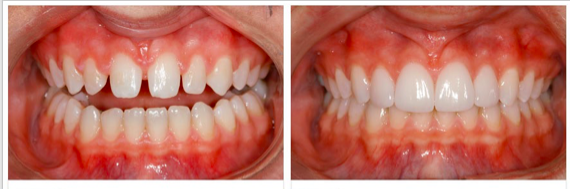
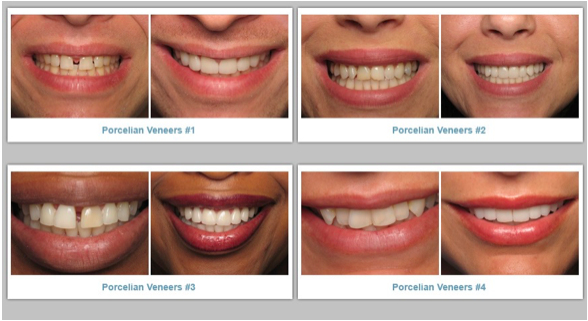
Dental veneers (sometimes called porcelain veneers or dental porcelain laminates) are wafer-thin, custom-made, shells of tooth-colored materials designed to cover the front surface of teeth to improve your appearance.  These shells are bonded to the front of the teeth changing their color, shape, size, or length.

Screen Shot 2015-10-11 at 7.43.34 AM Screen Shot 2015-10-11 at 7.43.44 AM

Screen Shot 2015-10-11 at 7.43.52 AM Screen Shot 2015-10-11 at 7.44.05 AM

Screen Shot 2015-10-11 at 7.44.14 AM

Screen Shot 2015-10-11 at 7.44.41 AM

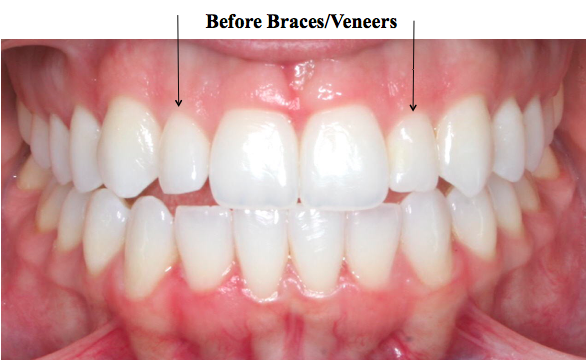
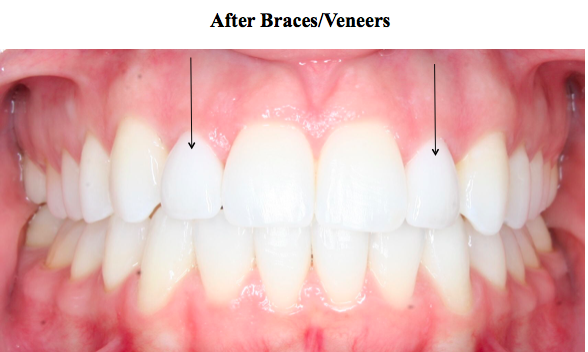
In 2011, following the removal of my braces, Dr. Jason Nelson placed two all porcelain veneers on my front upper teeth. Below are pictures of my own teeth.

Screen Shot 2015-10-11 at 7.46.27 AM

Screen Shot 2015-10-11 at 7.46.40 AM

Please contact your dental office for more information regarding dental veneers!

http://www.alamedadentalaz.com/

http://www.northstapleydentalcare.com/

http://www.shalimarfamilydentistry.com/

http://www.dentistingilbert.com/

Images:

https://www.google.com/search?q=what+is+a+dental+veneer&biw=1600&bih=731&source=lnms&tbm=isch&sa=X&sqi=2&ved=0CAYQ_AUoAWoVChMIpu_Mq-y4yAIVF-1jCh2gjgyj#imgrc=-Dp20x_5-7xrrM%3A

https://www.google.com/search?q=what+is+a+dental+veneer&biw=1600&bih=731&source=lnms&tbm=isch&sa=X&ved=0CAcQ_AUoAWoVChMI0sXxp-24yAIVQ8hjCh2sSgh6#tbm=isch&q=what+is+a+dental+porcelain+veneer&imgrc=WoNzbSiOtXK1EM%3A

https://www.google.com/search?q=what+is+a+dental+veneer&biw=1600&bih=731&source=lnms&tbm=isch&sa=X&ved=0CAcQ_AUoAWoVChMI0sXxp-24yAIVQ8hjCh2sSgh6#tbm=isch&q=what+is+a+dental+porcelain+veneer&imgrc=hACaPJFsiKsG-M%3A