What do our readers want to know about their oral health?

Dear Readers- 

     Here at Dentistry Done Differently we want to know what you want to know about your oral health. Have you ever left the dentist office remembering a question you forgot to ask your dentist. Here is your chance to ask. It can be from how to floss to what are root canals. At the bottom of this post leave your questions in the comment section and we will answer them to the best of our ability. Thank you for your previous comments and feed back. We want to create a community that is full of healthy mouths and happy smiles. 

Sincerely- 

SFD logo

NSDC (burnt orange logo, 2010,(sm)

Print

Canker Sores

Karen

Karen Kelley RDH

Canker sores can be a nuisance and a pain to people who frequently get them. As a hygienist, it’s one of the things I often get asked about. Here’s some information about canker sores and some ideas for prevention and relief.

19652

Most canker sores are round or oval with a white or yellow center and a red border. They form inside your mouth —on or under your tongue, inside your cheeks or lips, at the base of your gums, or on your soft palate. (Even though they look similar, they are not the same as a fever blisters which occur on or around the lips and are from the herpes virus.) Canker sores may begin with a tingling or burning sensation a day or two before the sores actually appear. There are several types of canker sores, including minor, major and herpetiform sores. Minor canker sores are the most common and what will be addressed in this article. They are usually small and heal without scarring in one to two weeks.

The precise cause of canker sores remains unclear, though researchers suspect that a combination of several factors contribute to outbreaks. Possible triggers for canker sores include: a minor injury to your mouth from dental work or other trauma, overzealous brushing, spicy or acidic foods, or an accidental cheek bite. Strangely enough, many toothpastes and mouth rinses contain sodium lauryl sulfate which for those who are prone to getting canker sores, can be an additional trigger. Another trigger can be from certain foods, particularly chocolate, coffee, strawberries, eggs, nuts, cheese and highly acidic foods, such as pineapple. Research also associates canker sores to a diet lacking in vitamin B-12, zinc, folate (folic acid) or iron and they have also found a link to emotional stress and hormonal shifts. Certain diseases may also cause canker sores to manifest more frequently. An interesting fact is that being female makes you more susceptible as well as having a family history of canker sores.

The following are some home remedies for the relief of canker sores from the Mayo Clinic website:

1. Rinse your mouth using salt water, (1 tsp of salt to 1 cup of warm water), baking soda (1 teaspoon of soda to 1/2 cup warm water), equal parts of hydrogen peroxide to water or a mixture of 1 tsp Benadryl to either 1 tsp Kaopectate or 1 tsp Maalox. Be sure to spit out the mixtures after rinsing.

2. Dab a small amount of milk of magnesia on your canker sore a few times a day with a cotton swab .

3. Cover canker sores with a paste made of baking soda plus a small amount of water — just enough to make a paste.

4. Apply ice to the canker sore. The slowly dissolving ice will make the sore feel better.

Over-the-counter products that contain the numbing agent benzocaine, such as Anbesol and Orajel can also be beneficial.

A prescription medication that some find helpful is Kenalog in Orabase. It’s a thick gel that is placed on the canker sore with a cotton swab every few hours. It helps to reduce the inflammation so that the sore feels better and is less puffy.

There are some things to avoid so that canker sores can be prevented. These include abrasive, acidic or spicy foods that can cause further irritation and pain. When brushing your teeth, brush gently using a soft brush and toothpaste that doesn’t contain sodium laurel sulfate (SLS). The following products are SLS free: Biotene, Sensodyne ProNamel and Rembrandt Canker Sore. Also, make sure your diet contains enough B-12, zinc, folate and iron.

Keep in mind that even though canker sores are painful, canker sores tend to heal well on their own. Consult your dentist when canker sores do not heal after 14 days, are accompanied by a fever, or appear to be infected.

800px-Afta_foto-300x218

canker-sores

Images:

http://www.toothbrushing.net/the-score-on-canker-sores/

http://fitnesshealthpros.com/how-to-get-rid-of-canker-sores/simple-canker-sore-remedies/

http://0.tqn.com/f/p/440/graphics/images/en/19652.jpg

Sources:

http://www.mayoclinic.com/health/canker-sore/DS00354/DSECTION=symptoms

http://www.mayoclinic.org/diseases-conditions/canker-sore/basics/lifestyle-home-remedies/CON-20021262

http://dentistry.about.com/od/basicdentalcare/f/cankertreatment.htm

Toothpaste

Kara

Kara Johansen BSRDH

The dental isle in the grocery store can be very overwhelming. Rows and rows of toothpastes, mouth rinses, and floss. We are here to help make that isle less confusing.  In a previous post Julie West BS RDH wrote about mouth rinses, thanks Julie! So here is the breakdown of toothpaste.

What is the purpose of toothpaste?

There are 4 reasons to use toothpaste. 1. Fluoride 2. Bacterial Plaque reduction 3. Tartar Inhibition 4. Desensitization. Here is the breakdown of each type of toothpaste.

Fluoride-

  • Fluoride has been the greatest public health venture in the United States. The most rampant form of disease in children is dental decay. Fluoride can cause a 20-30% decrease in decay (451, Wilkins). The fluoride remineralizes areas of decay that are in the beginning stages. When your dentist says they are going to “watch” a tooth it means that the he/she understands the decay can remineralize with good oral hygiene, great nutritional habits and fluoride use.
  • Here is a tip: switch up your oral hygiene routine.
  1. Mouthwash
  2. Floss
  3.  Brush for 2 min with fluoridated toothpaste.
  4. Walk away. Do not rinse after you brush. You want the fluoride to stay on your teeth and remineralize that weak spot that the dentist is watching.
  • Fluoride also helps with: tooth sensitivity, deceases tooth loss, promotes less frequency of periodontal diseases, overall bone health and bacterial reduction.

Bacterial Plaque Reduction-

  • There are different products in toothpastes to decrease the amount of bacteria in the mouth. Some of these products are: Triclosan, fluoride, Chlorhexidine, peroxide and bicarbonate, sanguinaria, and essential oils.
  • Brushing and flossing is the best way to reduce the majority of cavity causing bacteria in the mouth. Plaque is like pancake batter, it is sticky. Mechanical Removal will have the greatest affect on decreasing plaque levels in the mouth.

Dental plaque

http://mpkb.org/home/pathogenesis/microbiota/biofilm

Tartar Inhibition

  • The goal of these toothpastes are to reduce the production of tartar. These toothpastes however, do not have any effect on existing tatar. The toothpastes is meant to reduce the amount of tartar initially created. The only true way to get rid of tartar is mechanical removal by your dentist or hygienist. Come for you cleanings, they would love to help you out with that part. If you don’t love the scrapping do you part at home, brush with an electric toothbrush and floss two times per day.

pp002

http://colgate-sensitive-pro-relief.colgateprofessional.com.hk/patienteducation/Plaque-and-Periodontal-Disease/article

Desensitization

  • Sensitive teeth are no fun. Cold, hot , sweet foods or drinks, and mechanical forces can cause sensitivity.
  • How did I get sensitive teeth? This can be caused by multiple factors. The most common is tooth root exposure. When the gums recede a part of the tooth called dentin is exposed. It is a much more porous structure and sensitivity happens frequently.
  • pated_GingivalRecessionWithExposedRootDentine
  • colgateprofessional.com
  • When you are seeking out a toothpaste for sensitivity look for the active ingredients. Flip that tube of toothpaste over and take a peek. Potassium Nitrate calms down the nerve that is more sensitive with exposed dentin.  Sodium and stannus fluoride strengthen and occlude the more porous dentin.  A mix of Potassium Nitrate and fluoride is your best bet for desensitization.
  • MI Paste RECALDENT (CPP-ACP) has been found to help with sensitivity. Like fluoride it blocks the small porous openings of dentin. You can get a prescription for it from your dentist.
  • Other Products: Sensodyne, Pronamel, Colgate Sensitive Pro Relief, etc. Scan the dental isle.

images

http://www.recaldent.com

sensodyne-group-products-page-10_9_2013

pronamel-packshots_nonew-mock

us.sensodyne.com/products.aspx

Colgate-Sensitive-Pro-Relief-TP-triBox

http://www.colgatesensitiveprorelief.com.sg/products/toothpaste

What is in my toothpaste?

Cleaning and Polishing 20-40%

  • An abrasive is used to clean and the polish smooths the surface of the tooth. These agents help to decrease the adherence of stain and plaque buildup.
  • Possible agents: Calcium carbonate, IMP, dicalcium phosphate, hydrated aluminum oxide, and silica

Detergents 1-2%

  • Detergents make your toothpaste foam and are surfactants. They lower the surface tension, loosen stains, foam, and emulsify debris.
  • Possible agents: sodium laurel sulfate, sodium cocomonoglyceride sulfonate
  • Sodium Laurel Sulfate can cause sloughing of the tissue, make one more prone to canker sores and decreases healing time of mouth sores for some people. Patients who experience this should avoid Sodium Laurel Sulfate. Sensodyne does not use sodium laruel sulfate, this product would be a good choice for you.

Binders 1-2%

  • Binders keep your the solid and liquid ingreadients together

Now the next time you walk down the dental isle hopefully you will know exactly what type of toothpaste is perfect for you and your needs. If you have more questions ask your dentist or dental hygienist.  Watch out for the next post on what type of floss to choose, its going to be a duesy. Happy brushing and don’t forget to floss.


Sources:

GC America Professional Dental Site. Frequently Asked Questions. Retrieved from http://www.mi-paste.com/faq.php

Wilkins, E. M. (1994). Clinical Practice of the Dental Hyginienist: Seventh Edition. Media, PA: Williams and Wilkins.

Hope Arising and Africa

Peggy

Peggy Storr BSRDH

“The best way to find yourself is to lose yourself in the service of others.”

-Mahatma Gandhi

544742_286498254760067_1404223368_n

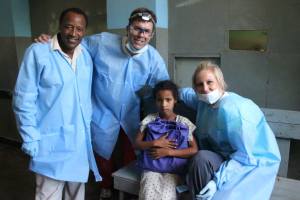
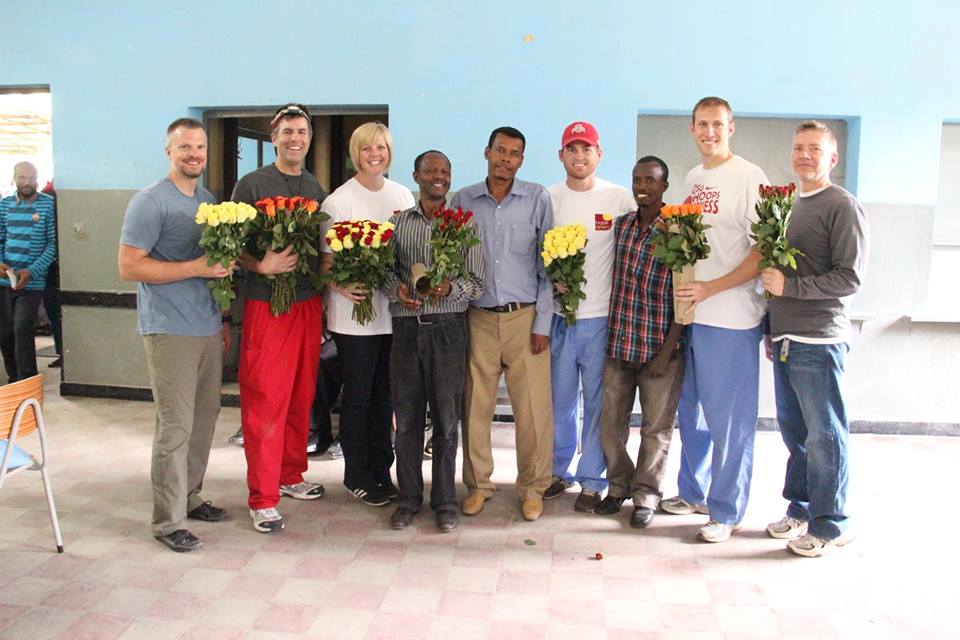
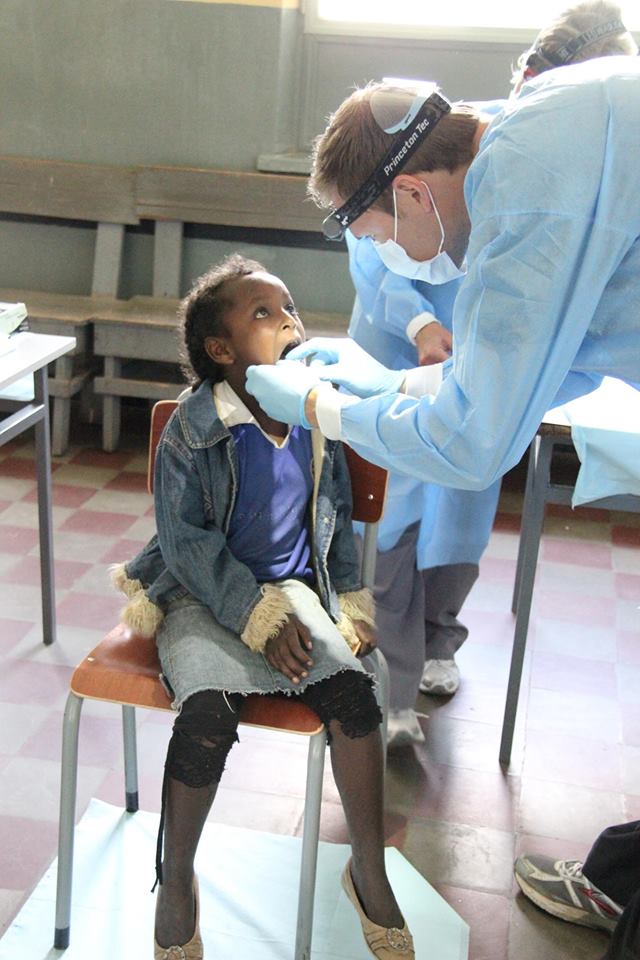
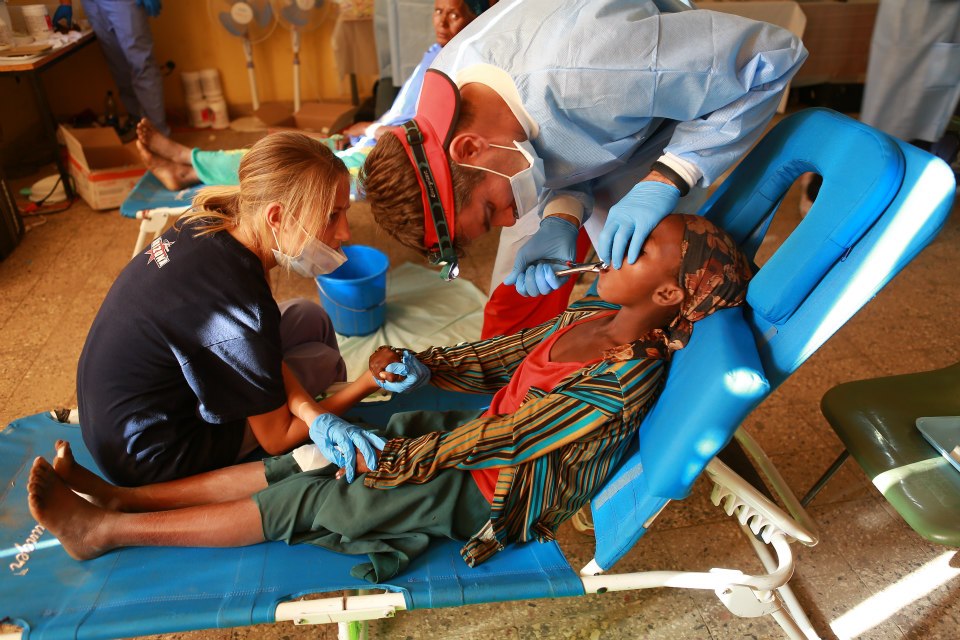
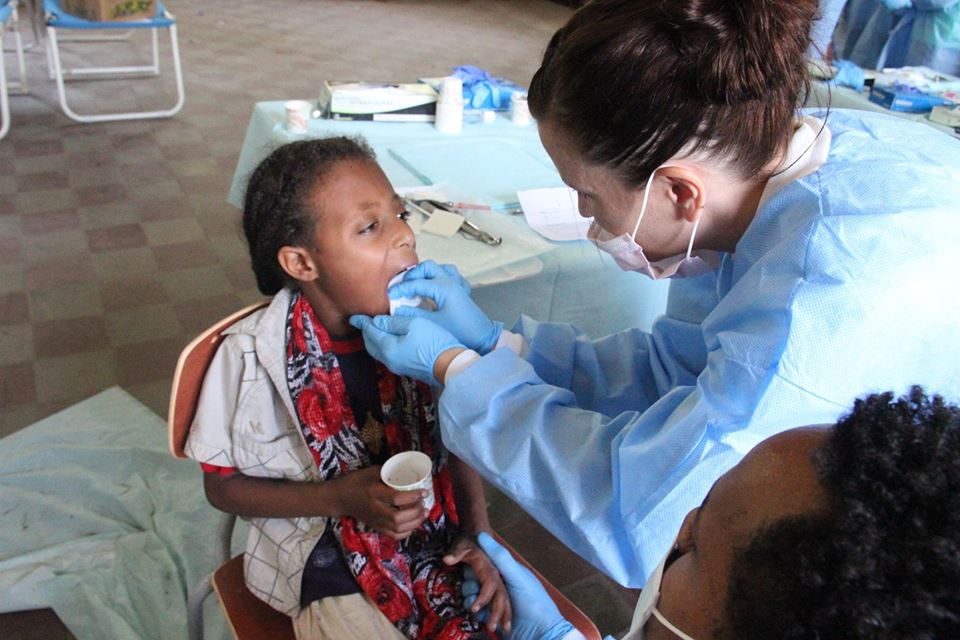
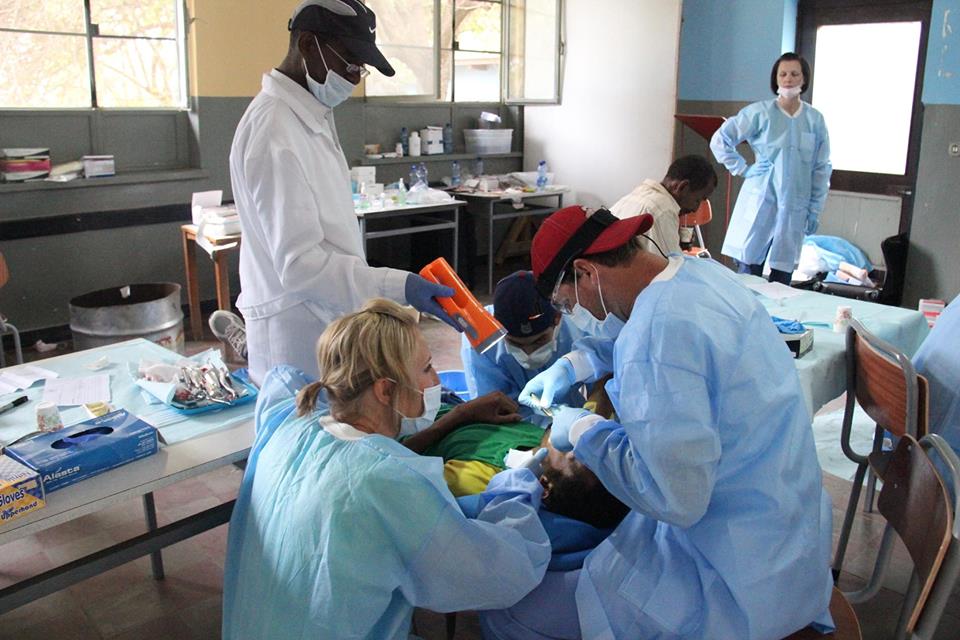
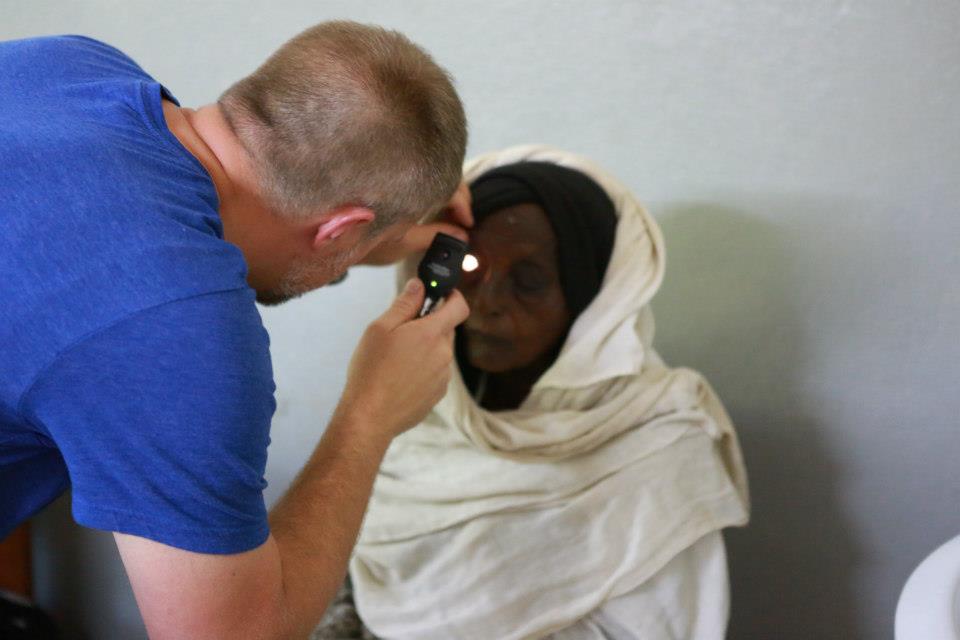
     This is a quote found on Hope Arising’s face book page and it is so appropriate that I had to include it here. In October, I was incredibly fortunate to travel to Ethiopia with Chantal Carr, one of two founders of Hope Arising, Dr. Chet Jenkins, and a team of 28 great people, including six teenagers. As I sit and try to write a blog about my trip, I realize that nothing I say will describe the experience nor do it justice. A picture being worth a thousand words, check out Hope Arising’s facebook page. This will offer a more accurate glimpse into the work that three humanitarians (Chantal Carr, Rochelle Sellers, and Dr. Chet Jenkins) have accomplished in a relatively short few years.

168962_110269599049601_219731_n

1385699_10201244728095170_1047959817_n1377630_538144249595465_2024507670_n1376322_10151867154699927_1506476910_n

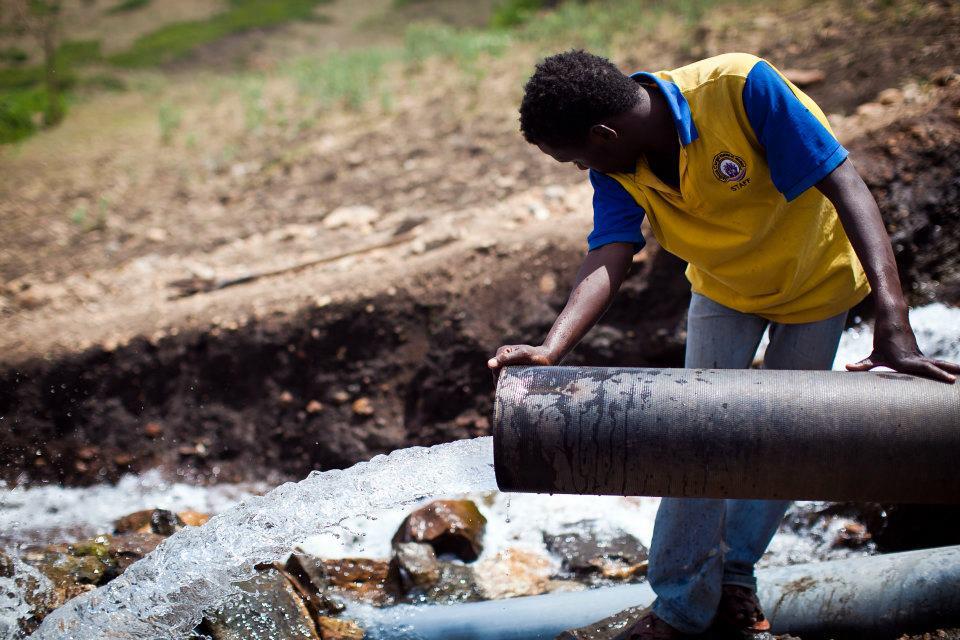
When Chantal and Rochelle visited the small village of Dera, Ethiopia in 2008, the village people were walking as many as 5 miles to wait in lines to fill cans of water. These “Jerry” cans weigh 40 lbs and elderly women and small children were also making this trek. The country was in a 16-month drought and being completely dependent on nature for its water, Dera was in distress. There was no work and children no longer attended school, as the quest for water became the only thing that mattered. We can’t fathom what having no water would be like but without it there is only starvation, despair, disease and death. The amazing story of how these two women, two regular moms from Gilbert AZ, brought water to this village is one of the most inspiring stories I’ve ever heard.

28999_448216295254928_1743604229_n206394_448213968588494_342822679_n

Through their efforts and compassion, a water reservoir was built. The people in a small village a world away now have hope and a future but the need is great and the work of Hope Arising continues to provide support and aid. When our team arrived in early October, we were greeted by a group of women whom had each been loaned a small amount of money to begin small businesses. They were so grateful to Hope Arising that they provided us with a celebratory meal. Self-sufficiency and independence is the goal and now these women can feed and support their families through the businesses they have started.

598392_396106360465922_2081532414_n1378716_10151867155264927_1634221609_n1378349_3597022739815_1617551911_n

559638_380776561998902_638348112_n993423_10151867154884927_339662548_n994630_10151867155149927_489736253_n

602699_441709162572308_1963408518_n

These gorgeous women came to a class where they learned how to make soap on our latest trip to Ethiopia.

156899_399008406842384_1555292071_n

Dera, Ethiopia has three elementary schools with combined capacity of over 4,700 students, a middle school, and a high school. Children attend in four hour blocks so everyone can have a turn going to school. When we first visited Agriti Elementary school with 1,600 children, they had no library and no books. Volunteers raised $500 and the school now has a bookshelf full of books, aptly called the library.

3736_381557475254144_732765040_n

185054_380776438665581_996502565_n47910_380776421998916_1274895624_n

The woman with trachoma getting fitted for her glasses.

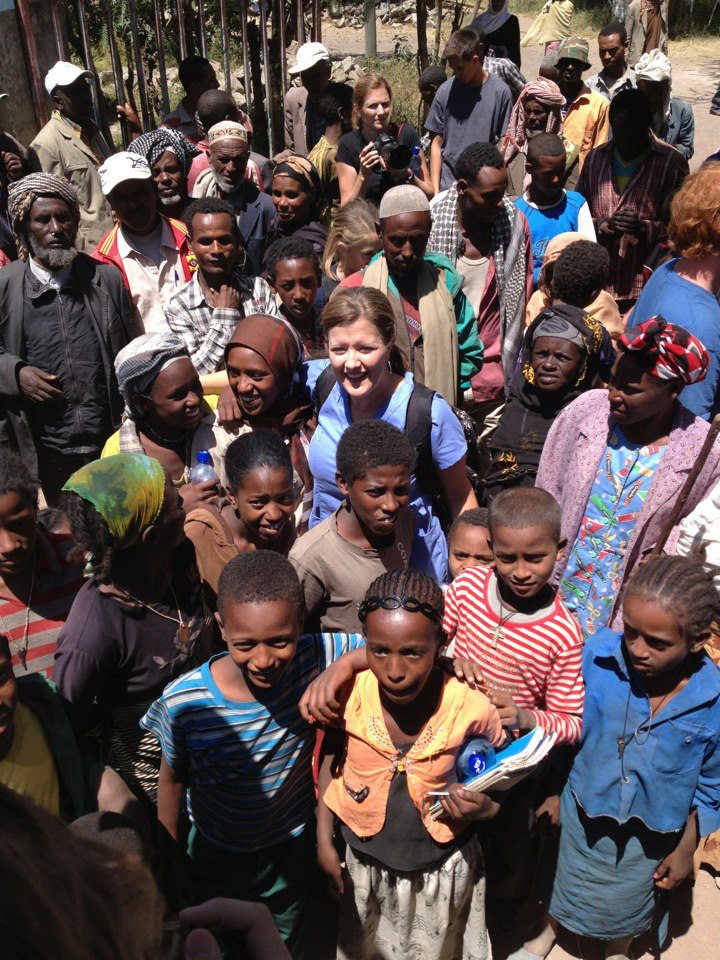
I found the people in Ethiopia to be literally beautiful, despite extreme poverty and suffering. They have so little and yet they are a happy, gracious and proud people. Many of the children are orphaned (actually 6 million in Ethiopia) but like children everywhere, they sing and laugh and love to play. They literally have nothing…if they have a ball, it is homemade, stitched and stuffed at home. Simply taking a picture of them thrilled them, as most have never seen a reflection of themselves. This is true even of the adults. Can you imagine never having seen yourself in a mirror?

1375941_10151867154064927_870838758_n1379249_10151867154429927_1921258141_n

561708_379967355413156_1579275203_n68610_399007566842468_1593627598_n522830_379972448745980_1091499223_n

420911_380776791998879_90035376_n487088_380776465332245_956943901_n

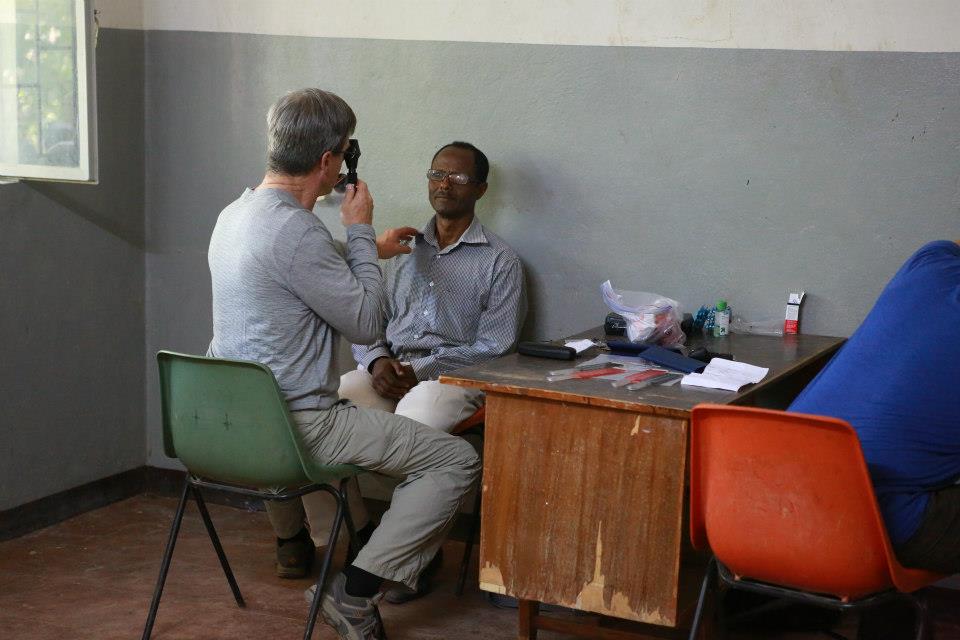
What Hope Arising has accomplished is nothing short of incredible and it was my complete honor to have been a small part of it. Our dental team treated over 500 people and the eye team saw 736 patients. Many patients received glasses for the first time in their lives. The most difficult part of the trip was leaving, knowing that there were still many hundreds needing our help. If you have the ability to join this incredible organization please do so. There are many ways to help throughout the year, from donating your time, helping with the annual golf tournament, or running in a mud run. You can sponsor a family with a small monetary monthly gift. Go with them as part of the team sometime soon! It doesn’t matter what your strengths, experiences and talents are, there is a job for you and you will work hard. But it will be the best work and one of the most satisfying experiences of your life. And, who knows, you might just find yourself in the process. At the very least, you will come home with a different perspective on what a bad day really looks like.

72294_416239901785901_176579018_n

STOP IT!! These habits can harm your teeth!

photo

Ann Clark RDH

Enamel is the toughest substance of the body.  But teeth can still be vulnerable when it comes to neglect, abuse or misuse.

1) Chewing on ice, pencils- Harmless? think again.  This habit can chip or crack your tooth.  It can also irritate the inside of the tooth causing toothaches or sensitivity.

ice chewing

2)Sports without mouthguards-Many sports require a mouthguard, a molded piece of plastic protecting your teeth.  Without one you an chip or even knock one out.  Get a custom fit one from your friendly dentist.

3)Bedtime bottles-Giving baby juice, milk or formula at bed can lead to decay.  The remnants bathe the teeth in sugars over night.

getty_rf_photo_of_baby_with_bottle

4)Tongue piercing-Biting on a stud can crack a tooth.  Metal rubbing against gums can cause damage that may lead to tooth loss.  The mouth  is a haven for bacteria increasing the risk of infection.  Over time the metal can also wear down the enamel changing its shape.

piercing

5)Drinking coffee-The dark color and acidity can cause yellowing over time.  Fortunately, it’s one of the easiest to treat with a little whitening.

coffee-black

6)Smoking/tobacco products-These stain the teeth and lead the way to periodontal disease.  Tobacco can also cause cancer of the mouth, lips and tongue.

cigarette

7)Drinking wine-The acids in wines eat at the enamel creating rough spots.  A stained tooth is like sandpaper attracting more bacteria.  Red wine contains chromogen and tannins which help the color to stick…rinse with water, alcohol dries out your mouth.

8)Constant snacking- This produces less saliva than when eating a meal, leaving food bits in the teeth longer.  Snacks should be low in sugar/starch…try carrots.

9)Binge eating-Binging and purging(Bulemia) can do damage from acids found in vomit that erode enamel, leaving them brittle and weak.  Acids also cause bad breath.

10)Whitening too often- Chronic whitening or not following directions acn lead to gum irritation and increased sensitivity.

11) Bottled water- Most have little to no Fluoride as do home filtration units.  Fluoride remineralizes and strengthens tooth structure.

12)Grinding/Clenching-Bruxism wears the tooth down over a period of time.  If worn to the  inner dentin your teeth become sensitive.  Stress, boredom, and sleeping habits make it hard to control. Worn down teeth make you look older and cause pressure to fracture the teeth.

13)Medications-Oral contraceptives can change your hormones and lead to periodontal disease.  Cough drops are high in sugar content leading to decay.  Antihistamines asue dry mouth as do many meds.  We need our saliva to protect our teeth!

14)Drug Abuse(Meth)- Crystal Meth, an illegal and addictive drug can destroy your teeth.  Users crave sugary drinks and foods, clench and have dry mouth.  They notoriously lack in taking care of themselves.

15)Gummy candy-Sticky foods keep sugars and resulting acids in contact with your enamel for hours.  Eat them with a meal as more saliva is produced helping to rinse your mouth.

gummy bear

16)Sodas/Sports drinks/Fruit juice-Sodas have 11teas. of sugar per serving.  They also contain phosphorus and citric acids which eat at enamel.  Diet skips the sugar but adds more acid (artificial sweetners).  Don’t sip these beverages keeping the teeth bathed, chug them and rinse with water

17)Potato chips-Bacteria in plaque will break down starchy foods into acid.  This acid can attack teeth for 20+ minutes if stuck between the teeth…floss!

18)Using your teeth as a tool-It’s convenient to open a bottle or package this way but it canlad to a chip or crack and nail biting is full of germs and bacterias, don’t chew on them.

tooth tool

19) Brushing too much, too hard or with a hard bristle brush-This can erode enamel. Toothpaste can be abrasive, technique is important so as not to take away enamel.  Skipping check ups and not flossing will, of course, cause problems as well.

Being informed is your best defense!

Ann Clark RDH

 
Photo cited:
 
Cigarette  www.webmd.com
Baby bottle www.webmd.com
Gummy Bear www.markmatters.com
Tooth Tool www.webmd.com
Ice Chewing. www.personal.psu.edu

Tooth Brushes!!

Karen

Karen Kelly RDH

As a dental hygienist, one of my most frequently asked questions is, ‘There are so many toothbrushes, which one should I use or should I just switch to an electric toothbrush?’.  My response is, first, always use a SOFT name brand toothbrush (I know stores sell medium and even hard toothbrushes but don’t buy them!!) and second to make sure you are brushing correctly at least 2 times daily and brushing for at least 2 minutes.  When I say correctly, I mean to aim the toothbrush up into the gums at a 45 degree angle.

 h9991631_001[1]

 Properly angled brushing

   HealthyvsUnhealthyGums[1]

Unhealthy vs. healthy gum tissue

I see lots of people who do brush their teeth, but since they don’t actually brush along the gumline, their gums are red and puffy.  So, brush the gums like you are giving them a massage; use little back and forth or circular motions.  Don’t use long scrubbing strokes, it is abrasive!  Then floss and/or use an interdental cleaner of some kind each and every day.  No matter how good a toothbrush is and how good someone brushes, it’s impossible to get in between the teeth clean with just a brush.  Also, change your brush often!  When the bristles begin to flare out or it’s been 3 months, change it, it makes a difference to use a new brush.

L2010-4045

                        If your brush looks like this, throw it out!                

      pro-health-gentle-clean34[1]

 A brand new SOFT toothbrush

If you brush really well with a manual toothbrush, you probably won’t see that much of a difference if you were to switch to an electric toothbrush.  The problem is, many people don’t clean their teeth that well with a manual toothbrush so that’s where the electric toothbrush can really help.  We recommend 2 brands of the electric brushes, the Sonicare and the Oral-B Braun.  These are not the battery powered toothbrushes, these brushes plug into the wall and have a rechargeable battery.  They just have so much more brushing action than a manual toothbrush that even if you aren’t that great of a brusher, you can do an excellent job if you use one of these brushes daily.  In a recent study conducted by the National Institute of Health, they stated, “The subject group using the powered toothbrush demonstrated clinical and statistical improvement in overall plaque scores. Powered toothbrushes offer an individual the ability to brush the teeth in a way that is optimal in terms of removing plaque and improving gingival health, conferring good brushing technique on all who use them, irrespective of manual dexterity or training.”(1)  In another study, “the Sonicare DiamondClean toothbrush was found to be safe and significantly superior to a manual toothbrush in reducing gingivitis, sites of gingival bleeding and plaque over time.  DiamondClean reduced gingivitis and gingival bleeding sites up to two times more and removed up to four times more plaque than a manual toothbrush after four weeks of use.”(2)   Sonicare also states that their ‘DiamondClean toothbrush effectively removed extrinsic tooth stain within one and two weeks of use, and it was significantly superior to a manual toothbrush at both one and two week checks.'(3)  On the Oral B website, they state that their Professional Precision 5000 toothbrush has produced these results:  34% less gingival bleeding at 6 months vs. a regular manual toothbrush and 29% lower gingival bleeding scores at 3 months vs. Sonicare® FlexCare (4)

It is still important to use the powered toothbrush 2 times daily for at least 2 minutes and allow the toothbrush to clean along the gumline.  If you have an electric toothbrush but it mostly sits on your counter, that doesn’t count when we ask if you use an electric toothbrush!

1550079_fpx

Philips Sonicare DiamondClean

                                                      pc5000[1]

                                                     Oral-B® Professional Precision 5000

Electric toothbrushes come in many different models and prices.  Take a look at a store like Target or Walgreens, they have lots of choices so you can find one that will fit your budget and taste.  We carry our favorite electric brushes and replacement brush heads in our office as well, and we are happy to answer any questions you might have about toothbrushes.  I like to answer questions about brushes so much that I go to Target and walk up and down the dental isle just so I can give advice to shoppers!!

So, remember what I tell my younger patients:  2 times a day for 2 minutes.  It’s easy to do and easy to remember!

Karen Kelley  R.D.H.

  dog-smile-2-1[1]

  h6DD2E1AC[1]

   tumblr_lnyaxcNMIK1qzbs9w[1]

 Just some fun photos to make you smile!


1.  http://222.ncbi.nlm.nih.gov/pubmed/23674927

2.  http://sonicare.com/professional/en_AU/pdf/Gingival_DC_2011_Milleman.pdf

3.  http://staging1.microsites.ce.philips.com/DP_AU_EN_3_3_Orc2/pdf/Stain_DC_2010_Colgan.pdf

4.   http://www.dentalcare.com/en-US/oral-b-crest-professional-products/category/electric-toothbrushes/oralb-5000-professional-trial.aspx

Image Sources

http://www1.macys.com/shop/product/sonicare-hx9332-diamondclean-rechargeable-electric-toothbrush?ID=827710

http://www.webmd.com/oral-health/proper-angle-for-brushing-your-teeth

http://www.impledent.com/patient-services/teeth-dental-cleanings/

http://blog.sciencemuseum.org.uk/talkscience/2011/10/27/wonderful-things-more-than-meets-the-eye/

http://www.oralb.com/products/pro-health-gentle-clean/

http://www.oralb.com/products/professional-care-smart-series-5000/?utm_source=google&utm_medium=cpc&utm_term=%2Boralb%20%2B5000&utm_campaign=Oral-B_Search_Desktop_Brand+Awareness_Power|ProfessionalCare+SmartSeries+5000&utm_content=sGVAVXD2P|dc_21461550775_b_%2Boralb%20%2B5000

www.pinterest.com

Waterpiks

KO6A8495-Edit - Copy

Lora Cook RDH

A question I am often asked of my patients is, “what do you think about a waterpik?” Waterpiks are great, but they DO NOT replace flossing with string floss. Once a person hears that they still have to floss, a look of discouragement or disgust comes across their face.  However, before you completely write off the thought of investing time and money into to a water pick, let me give you some information.

Waterpiks force oxygenated water underneath the gum tissue where plaque and bacteria like to hide.  This bacteria that lives under the tissue is anaerobic, it thrives under the gum tissue in that non-oxygenated environment. The oxygenated water works to not only flush out plaque and food, but also kills bacteria.  Also adding a few ounces of a quality, over the counter mouth rinse\antiseptic to the water reservoir is effective in reducing the bacterial load in the mouth.

counter

Who can benefit the most from the adding a waterpik to their daily oral hygiene routine?  I recommend water picks to patients who have bridges, implants, braces, or have been diagnosed with periodontal disease. The waterpik can reach places that string floss can miss.  Studies show that it is 50% more effective then just dental floss alone.  With a 3 second application it is 99.9% effective in the removal of plaque.

Some patients ask if waterpiks are so effective, why do I still need to use my string floss?  The string floss will scrap and mechanically remove the sticky plaque that likes to stick to the tooth surface. A waterpik will just rinse it.

There are different types of waterpiks out on the market.  A counter top water pik with a seperate resevoir and a cordless waterpik.  The cordless waterpic is rechargeable, no batteries needed. The water reservoir will hold 45 seconds of water supply.  All waterpics have different pressure settings, the water pressure will be 45 to 75 psi.

cordless

Another type of waterpik is called shower floss.  Many people have never heard of this type, and do not know that it is available.  This unit is attached to your shower head, it comes with a rechargeable battery pack. This unit will supply a  continues flow of water without having to stop and refill.  With this nifty unit you also do not have to worry about making a mess of your bathroom mirror!


shower flosser

Another type of waterpik is a shower floss.  Many people have never heard of this type, and do not know that it is available.  This unit is attached to your shower head, it comes with a rechargeable battery pack. This unit will supply a  continues flow of water without having to stop and refill.  With this nifty unit you also do not have to worry about making a mess of your bathroom mirror!


http://www.waterpik.com/oral-health/products/dental-water-flosser/WP-480/

http://www.waterpik-store.com/?trk_src_ss=WATFGS49WEBPAYPC

PLEASE, Stick Your Tongue Out at Your Dentist

Kim McCrady

Kim McCrady RDH, BA

Dedicated to Phil Swanson and his courageous family

     Come on, you know you have always wanted to stick your tongue out at your dentist and or your hygienist. Honestly, we invite you to be as impolite as possible. During the oral cancer-screening portion of your dental check up we need and want to see as much of your tongue, tissues, lips, and throat as we can.

Oral Cancer Risk Factors

     Unfortunately, according to The Oral Cancer Foundation, cancers of the tongue, lips, cheeks, throat and floor of the mouth are on the rise and have been for the last five years.   In fact, one person passes away every hour from oral cancer.  Those at the highest risk for oral cancer are people with past or current tobacco use habits.  Patients with a family history of oral cancer and men are at a greater risk for oral cancer than women.  The latest consideration as a causative factor for oral cancer is the human papilloma virus (warts) in the oral cavity.  Other listed risk factors include heavy alcohol consumption and over-exposure to the sun.  However, there are many people with oral cancer who will have none of the major known risks factors.

Signs and Symptoms

     There are some signs and symptoms of oral cancer, but most are not detectable until the later stages of development. The National Cancer Institute lists a few of the symptoms of possible oral cancer.  They are patches of tissue that become white or red or a combination of white and red.  Sores on the inside or outside of the lips, mobile teeth, difficulty or pain when swallowing.  If you wear dentures, pain while wearing your dentures can be a warning sign.  Lumps in your neck, along your jawline, behind your ears, pain in your ear that does not subside and lumps in the floor of the mouth are also possible symptoms of oral cancer. 

Oral Caner Screening

     Your dentist and hygienist will check your tissues by having you stick out your tongue.  We catch your tongue with a piece of gauze and will pull it from side to side. We will ask you if you have noticed any sores in your mouth that have been present for more than two weeks.  We will have you touch the roof of your mouth with the tip of your tongue so we can easily view the underside of your tongue.  We also evaluate the inside of your cheeks, lips, floor of the mouth and the back of your throat is also examined. Even the lymph nodes in your neck and along your jawbone need to be checked regularly for abnormalities.  We also check your face, neck and lips for abnormal changes.

     Luckily, new technology is available for oral cancer screenings.  Our office uses a piece of equipment called, the VELscope.  The VeELcope allows the doctor to see changes in the tissue using fluorescence.    This technology allows the doctor to detect changes in the tissue earlier than he can with the naked eye.   Like most technology, we are confident these tools will continue to evolve in accuracy and be used more and more in dental offices.  It is our office philosophy to stay aware of these changes in technology and make them available to you.

Diagnosis and Treatment

     If a suspicious area is detected during your oral cancer screening, your dentist will refer you to an oral surgeon, ear nose and throat specialist or a dermatologist for evaluation and probable biopsy of the area in question.  If you are diagnosed with an oral cancer, treatment will likely vary depending upon the stage of the cancer.  Surgery, radiation, targeted therapy and chemotherapy are often used in combination as treatments.  Early detection and immediate treatment is critical to survival.  Prognosis in a latter stage of development is poor because oral cancers spread (metastasize) quickly to the lymph nodes and other parts of the body as they grow. 

Prevention

     Decrease your risk of oral cancer by reducing your alcohol intake, commit to tobacco cessation.  If you need help quitting, contact your doctor or contact a support program like Ashline.  Be proactive, check your tongue and tissues at home regularly and report to your dentist immediately if you find any concerning areas in your mouth.  The ADA estimates 60% of the US population will see a dentist each year.  This means dental professionals are your partner providers in early detection.  When you see your dentist and your hygienist at your regular visit, insist on an oral cancer screening.  Our office takes oral cancer screening seriously and we invite you to, “PLEASE, stick your tongue out at your dentist!”


The Oral Cancer Foundation:  http://oralcancerfoundation.org

National Cancer Institute:  http://www.cancer.gov/cancertopics/wyntk/oral/page1

Ashline: http://www.ashline.org

Oral Surgeons and the VELscope system:  Partners in Early Detection and Diagnosis:  http://www.velscope.com/upload/VELscopeVX_Oral_Surgeons.pdf

Embracing Fluoride


Peggy 


Peggy Stoor BSRDH

As a hygienist with many years of experience, I’m starting to notice an alarming trend.  I began to be suspicious, when my own children who I fanatically watched the diet and toothbrushing habits of, werefound to have cavities. A small number of cavities, but still! My kids! How could this happen?

According to the Centers for Disease Control, the caries rates (cavities) in children ages 2 thru 5, is onthe rise. This is a trend we have not seen in over 40 years. Many dental professionals are beginning tosuspect that this is, at least in part, due to drinking bottled or filtered water, without fluoride. Fluoride isoften found naturally and may be added to our community water supplies. But, a recent study found thatabout 45 % of parents give their children only or almost exclusively bottled water. The Journal of Pediatric Dentistry reports that figure closer to nearly 70%.  While the correlation between the increase in caries and the decline in fluoridated water consumption hasn’t been sufficiently linked, many are beginning to believe that this is a contributing factor.

Obviously, the eating habits of American children also play a huge role and every time a child has a sweet snack, their mouth becomes acidic.  The number and frequency of these acidic attacks is important in causing tooth decay.  Sweetened juices, high sugar, and high carbohydrate snacks coupled with parents’ reluctance to brush their children’s teeth with fluoride toothpaste also play a large role.

Interestingly, a study by The National Center for Health Statistics found that boys in higher income families had the greatest prevalence of decay.  Is it because parents in higher income families can afford to provide more beverages such as juice, sports drinks, and bottled water believing that they are doing better for their children? Parents trying to promote health may potentially help to harm as these drinks don’t protect from cavities and are often high in sugars.  Just as we need to be aware of the amount of sugar in our fruit and sports drinks, we should also be informed of the amount of fluoride in our bottled and filtered water.

baby toothbrushing.jpg

It has been nearly 70 years since the discovery of the decay preventing effects of fluoride. The CDC has recognized water fluoridation as one of the 10 great public health achievements of the 20th century. “The health and economic benefits of water fluoridation accrue to individuals of all ages and socioeconomic groups, especially to poor children”  (Review of Fluoride: Benefits and Risks, 1991, US Public Health Service)

Despite numerous studies from experts in many fields, including the medical establishment, which have proven the safety and efficacy of fluoride, controversy and fears continue among many.  The debate has a very lengthy history and is far too much to detail in these few paragraphs.  Communism, socialism, cancer, mental retardation, and bone fractures are some of the concerns expressed by anti-fluoridationists.  However, in a report on the benefits and risks of fluoride, the U.S. Public Health Service Department states that optimal fluoridation of water does not pose a cancer risk to humans. This is evidenced by extensive human epidemiological data from studies over the past 75 years. While its true that fluoride is found in sources other than water (foods, toothpastes, mouthwashes, and fluoride supplements), the conclusions were that no trends in cancer risk were seen between populations of fluoridated and non-fluoridated communities. These findings were duplicated by the National Cancer Institute in a review of studies and an additional 16 years of research.

Concerned parents have often asked me about the pros and cons of fluoride.  While excessive fluoride consumption is obviously something to guard against, spotty consumption of fluoride poses a great risk for decay.  As in all things, finding a balance is the key. I now advise my patients to find out about their water. Reverse osmosis filtration removes the fluoride as well as the contaminants. While some bottled water contains fluoride, the majority does not. Contact your city’s water supplier and/or research your bottled or filtered water online. This information is readily available and as wise consumers and parents we should be knowledgeable about what our children and we are ingesting.

For young children, ages 2 to 6, please skip the sugar sticky snacks and that bottle of milk or juice at bedtime, drink a little tap water daily, and brush your child’s teeth with a pea size amount of fluoridated toothpaste twice a day. If the child cries or complains, think about how much more difficult and potentially traumatizing decay, pain, and possible tooth loss might be.


Aleccia, J. (2012, March 21). Bottled water may boost kids’ tooth decay, dentists say. NBC News Health. Retrieved July 04, 2013, from http://www.nbcnews.com/health/bottledwater.

Ellwood, R. P., & Cury, J. A. (n.d.). How much toothpaste should a child under the age of 6 years use? 168-74. Abstract obtained from Eur Archives Paediatric Dentistry, 2009 168-74. Retrieved from http://www.ncbi.nlm.nih.gov/pubmed.

Garrison, G. M., MD, & Loven, B., MLIS. (2007). Can Infants/Toddlers Get Enough Fluoride Through Brushing.Journal of Family Practice, 56`(9). Retrieved from http://link.springer.com/article/10.

Hobson, W. L., Knochel, M. L., Byington, C. L., Young, P. C., Hoff, C. J., & Buchi, K. F. (2007). Bottled, Filtered,and Tap Water Use in Latino and Non-Latino Children. Archives of Pediatrics and Adolescent Medicine, 161(5), 457-461.

Kliff, S. (2013, May 21). The Ongoing Fluoride Wars- Once Again Portland Votes Against Fluoridation of … The Washington Post. Retrieved July 4, 2013.

McNeil, D. R. (1985). America’s Longest War: The Fight Over Fluoridation. The Wilson Quarterly, Summer, 140-153.

Sriraman, N. K., Patrick, P. A., Hutton, K., & Edwards, K. S. (2009). Children’s drinking water: Parental preferencesand implications for fluoride exposure. Pediatric Dentistry, 310-5. Retrieved from http://www.ncbi.nlm.nih.gov/pubmed.

United States Public Health Service, Department of Health and Human Services (February 1991), Report of The AdHoc Subcommittee on Fluoride. (n.d.). Review of Fluoride: Benefits and Risks.
Why Floss?

Kara

     The dreaded question that comes at every appointment is, “How often are you flossing?”  It is time consuming and, yes, we are tired before bed, but flossing is much more than cavity prevention.  Usually we give a sheepish grin saying, “I should be better.”  Before I became a hygienist, I admit I was not a consistent flosser.  I am proud to say that I am now a religious flosser.   Periodontitis and gingivitis can be prevented by flossing.  If these diseases go untreated, the whole body can be affected by the amount of bacteria in the body’s blood stream.  Here are some ailments that can be aggravated: cardiovascular disease, atherosclerosis, diabetes, COPD, premature birth and low birth weight babies. The body is one working unit and the mouth is no exception to inhibiting or bettering our health.   


     Cardiovascular Disease is a collection of plaques that cause atherosclerosis. Atherosclerosis is a thickening and hardening of arteries. Studies have shown over 40% of artery lesions contain oral bacteria.  At this point, inflammation is created by the influx of blood cells which can create a blood clot, reducing blood flow to the heart.  This can eventually cause a heart attack. 

     Most diabetic patients are aware of their decreased ability to heal.  There is no exception in the oral cavity.  Diabetes decreases the body’s ability to kill bacteria.  Inflammation is also increased throughout the body and in the mouth with diabetes.  Research studies have shown higher numbers of inflammatory agents in the gums of those with poorly controlled diabetes then those patients with healthy levels.  Diabetic and periodontal health goes hand-in-hand.  If the mouth is unhealthy then diabetes is worsened and vice-versa.

     One of the functions of the oral cavity is to be the gateway of the respiratory system. COPD (chronic obstructive pulmonary disease) and pneumonia have been linked to poor oral health. The mouth can be a reservoir for respiratory bacteria. Bacteria like Staphylococus have been shown to accumulate on the teeth. The bacteria can be in the saliva and then aspirated in the lungs causing infection.

     The oral cavities health can also affect pregnancy. The mother provides everything for the child. She tries to eat healthy, exercise, get enough sleep and much more. Bacteria in the oral cavity can adversely affect the baby as well. Periodontal disease can cause premature birth and low birth weight. Bacteria as stated above can cause inflammation.  Contractions of the uterus are caused by hormones and by substances called prostaglandins. These contractions are most common in the third trimester. Chronic infection like gingivitis and periodontitis can cause premature labor. Another study has shown bacteria from the gums in the placenta causing preterm birth.

     Most people see the dentist more often than their medical doctor. The dentist or hygienist can help monitor a patients overall health. We can suggest a smoking cessation program, oral care products, monitor blood pressure, or promote good nutrition habits. All of these suggestions are correlated with great oral home care. Our team has a true desire for all patients to have whole body health as well as oral health.