Cold Sores

photo

Ann Clark RDH

Ever have that “ tingling” feeling under your skin? An estimated 50-80% of people are familiar with this feeling and are infected with herpes simplex virus type 1 (HSV1). Cold sores aka: fever blisters are ugly, uncomfortable and embarrassing. These lesions are not caused by the common cold and they are not a canker sore( inside the mouth). They are a herpetic sores brought on through contact with infected skin or body fluid, manifesting around the mouth. They are clear, filled with fluid and unfortunately, a common problem that never really goes away.

dermnet_rf_photo_of_cold_sore_blisters

www.webmd.com

The first symptom of an outbreak is a tingling feeling in the skin, a warning… then, small fluid-filled blisters appear around the mouth on red, swollen areas of skin or mucous membranes. They rupture and crust over before healing. They are tender and painful and heal without scaring. In 80% of the adult population have antibodies against HSV1 and 25% against HSV2. They are extremely common and are only transmitted by close, personal contact…Kissing etc. The virus is usually present on an infected person’s lips, even if there’s no obvious sore. Because it can live in saliva sharing utensils or drinking glasses can also allow infection. Oral sex can lead to HSV1 infection of their partner’s genitals. HSV invades the cells of the epidermis (outer layer of skin), causing the blister to appear. The virus travels from the epidermis along the nerve paths to the roots of the nerves where it becomes inactive. A weakening of the body’s defenses due to severe cold, for example, can reactivate the virus causing reoccurring blisters.

HSV1 damages the skin as it reproduces itself creating a sore lasting approximately 1 week. Between sores, HSV1 hides itself inside the nerve cells, so you are never completely cured. Although usually inactive, a few things can trigger a reactivation such as: stress, sunlight, fever and menstruation. Though some will only get them 1-2x a year, others can get the outbreak monthly.

cold_sore1

www.arecold.com

The primary infection can progress in different ways. Some only get very mild symptoms or none. The first outbreak occurs 1-3 weeks after contracting the virus and usually goes away in a few weeks. The first symptom is an unpleasant tingling in the skin, then, the blisters appear. The sores become covered by scabs that usually fall off 8-10 days after they appear. The virus can spread until the sores are completely covered by scabs. 20% of people with HSV1 have recurrent attacks throughout their lives. In children the virus affects their mouth and throat and can be accompanied with fever, general aches and pains.

Medications

Oral antivirus meds help reduce the healing time if taken at the first sign- red/itchy skin.

Zovirax is taken before the virus fully flares and is taken 5x daily.

Vatnex is taken at first sign, then, 12 hours later.

Famvir is taken as a single dose.

Is THIS the virus? Not on the lips is not as common but anywhere on the face-cheeks, chin, nose. They usually will reappear in the same area each time. You can even get them on your finger or in your eye; most commonly the cornea causing damage or even blindness. Self-spreading can be prevented by washing hands and not touch the infection. Outbreaks can last up to 2 weeks. Recurrent outbreaks usually 1 week. Hot/cold compresses, OTC or Rx creams/gels (Abreva, Zovirax, Denavir) can relieve symptoms.

Source:

www.netdoctor.com.uk/diseases/facts/coldsores.htm

Want to learn more? Visit us at http://www.shalimarfamilydentistry.com

Essential Oils

KO6A8495-Edit - Copy

Lora Cook RDH

     Recently several of my patients have asked me some questions about essential oils. To be honest I have a very limited knowledge of the subject. I hate when I don’t have all the answers for my patients. So I thought what better way to learn more about the subject then to write about it.

    However, let me preface this information with a reminder that while these essential oils can provide effective preventive and palliative care, it is not a substitute for dental care. If you have a cavity or a toothache please do not hesitate to give us a call. Periodontal disease and cavities left untreated will only become worse over time.

     As dental professionals we rely on tested clinical research and published research studies wither certain guidelines to substantiate any therapeutic claims and demonstrate effectiveness. However with essential oils there is little published research, because several problems present in trying to conduct research on essential oils. First, essential oils are not standardized. Synthetic Pharmaceuticals are reproduced to be identical, where as essential oils cannot be produced to be identical. Second, while conducting research on essential oils it is difficult to gage for individual differences in how the oils affect people. Also little funding is provided for research on homeopathic remedies. More research studies are done for synthetic therapeutics because these follow the usual scientific research path.

The Essential oils that I would like to talk about are:

  1. Cinnamon oil: bark and leaf
  2. Tea Tree oil
  3. Myrrh
  4. Clove oil
  5. Peppermint oil

1. Cinnamon:

product-rcd-346

risdoninternational.com

  • Leaf oil is primarily useful for palliative care. It may be effective in reducing pain and inflammation.
  •  Cinnamon Bark Oil has antibacterial qualities, it has been shown to effectively destroy 21 different types of bacteria.
  • How to use: You can rinse with diluted cinnamon oil after brushing, or put some on your tooth paste. Cinnamon oil is very strong and should not be ingested. Also some people have been known to have allergic reactions to cinnamon oil, so test in a small area of your mouth first.

2. Tea Tree Oil: This oil is effective for antibacterial, anti-fungal, and antiviral properties.

  • If you have a allergy to celery or thyme, you should not use this oil. Also just like the cinnamon oil, tea tree oil is very strong and should not be ingested.
  • How to use: There are wooded toothpicks that have been impregnated with tea tree oil. These can be found at a health food store, or purchased on-line. You can also mix a small amount with your toothpaste, then brush.

3. Myrrh: This is effective for mouth sores.

hu

doterrablog.com

  • How to use: Mix 1 to 2 drops in eight ounce glass of warm water, swish for thirty seconds then spit.

myrrh_gum_resin

http://www.mountainroseherbs.com

4. Clove Oil: This is effective for toothaches, also known to sooth sore gums.

cloves

libweb5.princeton.edu

  • How to use: Mix one drop with a plant based carrier oil, olive oil wood be a good carrier oil to use. Then apply with a cotton swab. For gum tissue and other oral tissues mix 1 to 2 drops in eight ounce glass of warm water, swish for thirty seconds then spit.

5. Peppermint Oil: This oil is effective in treating bad breath, it also has mild anesthetic properties.

peppermint-oil1-2

www.lalaessentialoils.com

  • How to use: Mix two drops of peppermint oil with two cups of distilled water. Shake we’ll before each use, swish a mouthful for one minute then spit. All essential oils should not be ingested, and always consult your medical physician before starting any type of therapy at home.

There are other essential oils that are effective for oral health that I did not include in this overview: basil, almond and lavender, just to name a few.  I hope that these basic guidelines can shed a bit more light on the subject.  All essential oils should not be ingested, and always consult your medical physician before starting any type of therapy at home.

Sources:

http://www.livestrong.com/article/284574-cinnamon-oil-for-cavities/

http://www.teatree.co.il/en/Files/oral.pdf

http://www.intelligentdental.com/2010/11/30/how-to-use-tea-tree-oil-for-dental-health/

http://birchhillhappenings.com/mouth.htm

Help! My PreSchooler Won’t EAT!!

Peggy

Peggy Stoor BSRDH

images

I often hear parents complain that they cannot get their kids to eat healthy foods.  I remember the frustration myself when I couldn’t get my toddler to eat anything, let alone a healthy vegetable.  Now that my kids are grown, I wish I had understood that my young child wouldn’t starve himself to death. Toddler’s appetites vary from day to day and if the child is growing and energetic, they are probably getting enough of the nutrients they need.

Here are some things I’ve learned:

1. Young children and toddlers need between 4-6 healthy meals and snacks per day.

2. Limit beverages such as juice, sweetened drinks and even milk,  as it can    reduce the childs appetite for food.  (not to mention harmful effects on the teeth!)

3. The context in which the food is offered is also of importance so present a relaxed environment, free from distractions like the tv.

4. Kids should be allowed to decide whether and how much to eat and they should not be pressured or rewarded for eating certain foods.

5.When introducing foods, patience is key as it often takes as many as 8-10 exposures to a food before it is accepted.

6. When children are stubborn about eating, it is commonly their way of exerting their independence and this may be a battle to be cautious with. Force feeding may cause a child to dislike that food, shuts off the mechanism in the brain that tells the child she is overeating, and may possibly make the child more stubborn and difficult about food.

images

All of this being said, with our increasingly hectic schedules and the relative ease in which fast foods and overly processed foods are available, nutritional deficiency as well as obesity is becoming more of a concern in our country. Scary Statistics show that childhood obesity has more than doubled in children and tripled in adolescents since 1980.  In 2010, more than 1/3 of children and teens were overweight or obese.

Obese youth are more likely to have risk factors for heart disease, prediabetes, or diabetes. They are at greater risk for bone and joint problems, sleep apnea and social problems like teasing, bullying, and poor self-esteem. Obesity also increases the risk of many types of cancer!

There are many websites on nutrition, healthy eating and ideas. Here are just a few healthy ideas for snacks and easy meals offered from the Academy of Nutrition and Dietetics:

  1. Mini Pizza: Toast a whole-wheat English muffin, drizzle with pizza sauce and sprinkle with low-fat mozzarella cheese.
  2. Snack Kabobs: Put cubes of cheese and grapes on pretzel sticks.
  3. Peel a banana and dip it in yogurt. Roll in crushed cereal and freeze.
  4. Spread celery sticks with peanut butter or low-fat cream cheese. Top with raisins (optional).
  5. Mix together ready to eat cereal, dried fruit and nuts in sandwich bags for an on-the-go snack.
  6. Microwave a small baked potato. Top with small amount of cheddar cheese and salsa or plain low-fat yogurt. (Tastes just like sour cream)!
  7. Banana Split: Top a banana with low-fat vanilla and strawberry frozen yogurt. Sprinkle with your favorite whole grain cereal.
  8. Apple Pie Oatmeal: Make one packet of microwave oatmeal with low-fat milk. Mix in ¼ cup unsweetened applesauce. Sprinkle with cinnamon.
  9. Microwave a cup of tomato or vegetable soup and enjoy with whole grain crackers.
  10. Fill a waffle cone with cut-up fruit and top with low-fat vanilla yogurt.
  11. Parfait: Layer vanilla yogurt and mandarin oranges or blueberries in a tall glass. Top with a sprinkle of granola.
  12. Spread peanut butter on apple or banana slices.
  13. Breakfast smoothie: low-fat milk, frozen strawberries and a banana.
  14. Try crunch vegetables instead of chips with your favorite low-fat dressing for dipping.
  15. Keep cut veggies ready for an after school snack. Some favorites are red, yellow, or green peppers, broccoli or cauliflower florets, carrots, celery sticks, cucumbers, snap peas.
  16.  Dip pita chips in hummus.
  17. Dip graham crackers in applesauce
  18. Dip baked tortilla chips in bean dip
  19. Dip bread sticks in salsa
  20. Dip a granola bar in low-fat yogurt.

For more ideas go to www.eatright.org     and www.kidseatright.org

References:

Academy of Nutrition and Dietetics

Images:

www.healthunit.org

Source:

  • http://www.eatright.org
  •  Ogden CL, Carroll MD, Kit BK, Flegal KM. Prevalence of obesity and trends in body mass index among US children and adolescents, 1999-2010. Journal of the American Medical Association 2012;307(5):483-490.
  • National Center for Health Statistics. Health, United States, 2011: With Special Features on Socioeconomic Status and Health. Hyattsville, MD; U.S. Department of Health and Human Services; 2012.lymphoma.15
  • Freedman DS, Zuguo M, Srinivasan SR, Berenson GS, Dietz WH. Cardiovascular risk factors and excess adiposity among overweight children and adolescents: the Bogalusa Heart Study. Journal of Pediatrics 2007;150(1):12–17.
  •  Kushi LH, Byers T, Doyle C, Bandera EV, McCullough M, Gansler T, et al. American Cancer Society guidelines on nutrition and physical activity for cancer prevention: reducing the risk of cancer with healthy food choices and physical activity. CA: A Cancer Journal for Clinicians 2006;56:254–281.
  • Dietz WH. Overweight in childhood and adolescence. New England Journal of Medicine 2004;350:855-857.

What do our readers want to know about their oral health?

Dear Readers- 

     Here at Dentistry Done Differently we want to know what you want to know about your oral health. Have you ever left the dentist office remembering a question you forgot to ask your dentist. Here is your chance to ask. It can be from how to floss to what are root canals. At the bottom of this post leave your questions in the comment section and we will answer them to the best of our ability. Thank you for your previous comments and feed back. We want to create a community that is full of healthy mouths and happy smiles. 

Sincerely- 

SFD logo

NSDC (burnt orange logo, 2010,(sm)

Print

Canker Sores

Karen

Karen Kelley RDH

Canker sores can be a nuisance and a pain to people who frequently get them. As a hygienist, it’s one of the things I often get asked about. Here’s some information about canker sores and some ideas for prevention and relief.

19652

Most canker sores are round or oval with a white or yellow center and a red border. They form inside your mouth —on or under your tongue, inside your cheeks or lips, at the base of your gums, or on your soft palate. (Even though they look similar, they are not the same as a fever blisters which occur on or around the lips and are from the herpes virus.) Canker sores may begin with a tingling or burning sensation a day or two before the sores actually appear. There are several types of canker sores, including minor, major and herpetiform sores. Minor canker sores are the most common and what will be addressed in this article. They are usually small and heal without scarring in one to two weeks.

The precise cause of canker sores remains unclear, though researchers suspect that a combination of several factors contribute to outbreaks. Possible triggers for canker sores include: a minor injury to your mouth from dental work or other trauma, overzealous brushing, spicy or acidic foods, or an accidental cheek bite. Strangely enough, many toothpastes and mouth rinses contain sodium lauryl sulfate which for those who are prone to getting canker sores, can be an additional trigger. Another trigger can be from certain foods, particularly chocolate, coffee, strawberries, eggs, nuts, cheese and highly acidic foods, such as pineapple. Research also associates canker sores to a diet lacking in vitamin B-12, zinc, folate (folic acid) or iron and they have also found a link to emotional stress and hormonal shifts. Certain diseases may also cause canker sores to manifest more frequently. An interesting fact is that being female makes you more susceptible as well as having a family history of canker sores.

The following are some home remedies for the relief of canker sores from the Mayo Clinic website:

1. Rinse your mouth using salt water, (1 tsp of salt to 1 cup of warm water), baking soda (1 teaspoon of soda to 1/2 cup warm water), equal parts of hydrogen peroxide to water or a mixture of 1 tsp Benadryl to either 1 tsp Kaopectate or 1 tsp Maalox. Be sure to spit out the mixtures after rinsing.

2. Dab a small amount of milk of magnesia on your canker sore a few times a day with a cotton swab .

3. Cover canker sores with a paste made of baking soda plus a small amount of water — just enough to make a paste.

4. Apply ice to the canker sore. The slowly dissolving ice will make the sore feel better.

Over-the-counter products that contain the numbing agent benzocaine, such as Anbesol and Orajel can also be beneficial.

A prescription medication that some find helpful is Kenalog in Orabase. It’s a thick gel that is placed on the canker sore with a cotton swab every few hours. It helps to reduce the inflammation so that the sore feels better and is less puffy.

There are some things to avoid so that canker sores can be prevented. These include abrasive, acidic or spicy foods that can cause further irritation and pain. When brushing your teeth, brush gently using a soft brush and toothpaste that doesn’t contain sodium laurel sulfate (SLS). The following products are SLS free: Biotene, Sensodyne ProNamel and Rembrandt Canker Sore. Also, make sure your diet contains enough B-12, zinc, folate and iron.

Keep in mind that even though canker sores are painful, canker sores tend to heal well on their own. Consult your dentist when canker sores do not heal after 14 days, are accompanied by a fever, or appear to be infected.

800px-Afta_foto-300x218

canker-sores

Images:

http://www.toothbrushing.net/the-score-on-canker-sores/

http://fitnesshealthpros.com/how-to-get-rid-of-canker-sores/simple-canker-sore-remedies/

http://0.tqn.com/f/p/440/graphics/images/en/19652.jpg

Sources:

http://www.mayoclinic.com/health/canker-sore/DS00354/DSECTION=symptoms

http://www.mayoclinic.org/diseases-conditions/canker-sore/basics/lifestyle-home-remedies/CON-20021262

http://dentistry.about.com/od/basicdentalcare/f/cankertreatment.htm

Pregnancy and Oral Health

KO6A3300-Edit[1]

Amanda Orvis RDH

Being pregnant comes with various responsibilities, your oral hygiene being one of them. It is important that you continue to maintain your normal brushing and flossing routine. It is also a great idea to rinse daily with a fluoridated mouth rinse. There are several brands to choose from, just make sure you look for the ADA seal which guarantees safety and effectiveness.

ADA_seal_rdax_215x215

     For most women your routine dental visits are safe throughout your pregnancy. Make sure when calling to make your dental appointments you let your dental office know what stage of your pregnancy you are in. Let your dentist know if you have had any changes in your medications or if you have received any special instructions from your physician. Depending on your specific situation and your treatment needs, some of your dental appointments and procedures may need to be postponed until after your pregnancy.

Dental X-rays are sometimes necessary if you suffer a dental emergency or need a dental problem diagnosed. It may be wise to contact your physician prior to your dental appointment to get their approval to have x-rays if necessary.

23

     During pregnancy some women may develop a temporary condition known as pregnancy gingivitis, which is typically caused by hormonal changes you experience during pregnancy. This is a mild form of periodontal disease that can cause the gums to be red, tender and/or sore. It may be recommended that you be seen for more frequent cleanings to help control the gingivitis. If you notice any changes in your mouth during pregnancy, please contact your dentist.

During your pregnancy you may have the desire to eat more frequently. When you feel the need to snack try to choose foods that are low in sugar and nutritious for you and your baby. Frequent snacking can cause tooth decay.

Feeling nauseous? If you experience morning sickness you can try rinsing with a teaspoon of baking soda mixed with water. This mixture lowers the acidity in your mouth. The acidity can cause erosion of the enamel. Your gag reflex may be extra sensitive during your pregnancy, so switching to a smaller toothbrush head may be beneficial.

Sources:

http://www.ada.org/sealprogramproducts.aspx

http://www.google.com/url?sa=t&rct=j&q=&esrc=s&frm=1&source=web&cd=1&ved=0CDgQFjAA&url=http%3A%2F%2Fwww.idph.state.ia.us%2FIDPHChannelsService%2Ffile.ashx%3Ffile%3DA6FAA346-C53D-49A5-AB8D-6198A087A02A&ei=gJO3UsDwH8bbyQG8sYHYAw&usg=AFQjCNFlpM4U5Hwp3J00K0jdNoM5DHzOXw&bvm=bv.58187178,d.aWc

http://www.google.com/imgres?sa=X&hl=en&qscrl=1&rlz=1T4GGNI_enUS478US479&biw=1600&bih=714&tbm=isch&tbnid=nldgrSnzOgvsAM:&imgrefurl=http://www.myhealthyspeak.co.in/index.php/management-of-pregnancy-gingivitis-3&docid=73o889OPRA5FCM&imgurl=http://

www.myhealthyspeak.co.in/wp-content/uploads/2013/07/23.jpg&w=176&h=117&ei=9JO3UvFL6GSyQHXi4DAAg&zoom=1&ved=1t:3588,r:88,s:0,i:375&iact=rc&page=4&tbnh=93&tbnw=137&start=75&ndsp=28&tx=80&ty=49

Oral Bacteria: Sharing or Spreading?

KO6A3321-Edit

Becky Larson RDH

            The sharing or spreading of oral bacteria happens very frequently and most people are unaware they are even doing it.  Our mouths are filled with millions of bacteria. When you share food, cups, utensils, toothbrushes, or have contact with someone else’s saliva these bacteria can be transferred from person to person. This can be particularly harmful when sharing with children.

Cavities (caries) are the result of a bacterial infection and young children can “catch” the harmful bacteria that cause cavities. While everybody has bacteria in their mouth, it’s important to try to keep these harmful bacteria from our children’s mouths during their first year or two. Babies are actually born without any harmful bacteria in their mouth.  Once the harmful caries bacteria are introduced, the child may experience tooth decay.

So what does this mean?  It means DON’T SHARE BACTERIA.  I’ve seen many parents (including my own husband) suck their child’s pacifier clean.  This can be both good and bad.  The parent has just introduced new bacteria into their child’s mouth.  Some bacteria are harmless and can actually help prevent allergic reactions.  However, if the parent has any caries bacteria, they have now given those bacteria to their child.  Sharing saliva can also spread the bacteria that cause inflammatory reactions and periodontal disease in adults.

Why does it matter? Tooth decay is the most common chronic childhood disease, five times more common than asthma.  When left untreated, the disease can cause developmental problems.  Tooth decay can lead to mouth pain, which makes it more difficult for a child to eat healthy foods, speak correctly, and even concentrate in school.  Tooth decay can also damage permanent teeth when they erupt.  Periodontal disease cannot currently be cured.  If left untreated, the gums, bone and tissues that support the teeth can be destroyed.  This can result in the loss of teeth.

            Tips on how to prevent bacteria transmission and cavities:

*If your child sleeps with a bottle, fill it with water rather than milk or juice

*Clean baby gums with wet cloth several times per day before baby teeth erupt

*Once your child has erupted teeth, brush them at least twice per day (even if it’s only one tooth!)

*Take your child to the dentist by their 1st birthday or when the first tooth erupts

*Avoid putting anything in your child’s mouth that has been in your mouth

*Avoid kissing your child on the lips

*Avoid sharing food, utensils, cups, and toothbrushes

*Help your child floss their teeth once the teeth are contacting

*Change toothbrushes every 3 months

*Eat a balanced diet, limit sugar intake

*Brush your own teeth twice per day and floss once per day

Sources:

http://www.perio.org/node/224

http://oralhealthmatters.blogspot.com/2013/05/bacteria-in-mouth-are-not-harmless.html

http://brushinguplasalle.com/tag/oral-bacteria/

https://www.deltadental.com/Public/NewsMedia/NewsReleaseBadThingsHappen201108.jsp

http://www.nbcnews.com/id/35989527/ns/health-oral_health/t/moms-kiss-can-spread-cavities-baby/#.UpYHZ9F3uM8

http://www.nidcr.nih.gov/OralHealth/Topics/GumDiseases/PeriodontalGumDisease.htm

Toothpaste

Kara

Kara Johansen BSRDH

The dental isle in the grocery store can be very overwhelming. Rows and rows of toothpastes, mouth rinses, and floss. We are here to help make that isle less confusing.  In a previous post Julie West BS RDH wrote about mouth rinses, thanks Julie! So here is the breakdown of toothpaste.

What is the purpose of toothpaste?

There are 4 reasons to use toothpaste. 1. Fluoride 2. Bacterial Plaque reduction 3. Tartar Inhibition 4. Desensitization. Here is the breakdown of each type of toothpaste.

Fluoride-

  • Fluoride has been the greatest public health venture in the United States. The most rampant form of disease in children is dental decay. Fluoride can cause a 20-30% decrease in decay (451, Wilkins). The fluoride remineralizes areas of decay that are in the beginning stages. When your dentist says they are going to “watch” a tooth it means that the he/she understands the decay can remineralize with good oral hygiene, great nutritional habits and fluoride use.
  • Here is a tip: switch up your oral hygiene routine.
  1. Mouthwash
  2. Floss
  3.  Brush for 2 min with fluoridated toothpaste.
  4. Walk away. Do not rinse after you brush. You want the fluoride to stay on your teeth and remineralize that weak spot that the dentist is watching.
  • Fluoride also helps with: tooth sensitivity, deceases tooth loss, promotes less frequency of periodontal diseases, overall bone health and bacterial reduction.

Bacterial Plaque Reduction-

  • There are different products in toothpastes to decrease the amount of bacteria in the mouth. Some of these products are: Triclosan, fluoride, Chlorhexidine, peroxide and bicarbonate, sanguinaria, and essential oils.
  • Brushing and flossing is the best way to reduce the majority of cavity causing bacteria in the mouth. Plaque is like pancake batter, it is sticky. Mechanical Removal will have the greatest affect on decreasing plaque levels in the mouth.

Dental plaque

http://mpkb.org/home/pathogenesis/microbiota/biofilm

Tartar Inhibition

  • The goal of these toothpastes are to reduce the production of tartar. These toothpastes however, do not have any effect on existing tatar. The toothpastes is meant to reduce the amount of tartar initially created. The only true way to get rid of tartar is mechanical removal by your dentist or hygienist. Come for you cleanings, they would love to help you out with that part. If you don’t love the scrapping do you part at home, brush with an electric toothbrush and floss two times per day.

pp002

http://colgate-sensitive-pro-relief.colgateprofessional.com.hk/patienteducation/Plaque-and-Periodontal-Disease/article

Desensitization

  • Sensitive teeth are no fun. Cold, hot , sweet foods or drinks, and mechanical forces can cause sensitivity.
  • How did I get sensitive teeth? This can be caused by multiple factors. The most common is tooth root exposure. When the gums recede a part of the tooth called dentin is exposed. It is a much more porous structure and sensitivity happens frequently.
  • pated_GingivalRecessionWithExposedRootDentine
  • colgateprofessional.com
  • When you are seeking out a toothpaste for sensitivity look for the active ingredients. Flip that tube of toothpaste over and take a peek. Potassium Nitrate calms down the nerve that is more sensitive with exposed dentin.  Sodium and stannus fluoride strengthen and occlude the more porous dentin.  A mix of Potassium Nitrate and fluoride is your best bet for desensitization.
  • MI Paste RECALDENT (CPP-ACP) has been found to help with sensitivity. Like fluoride it blocks the small porous openings of dentin. You can get a prescription for it from your dentist.
  • Other Products: Sensodyne, Pronamel, Colgate Sensitive Pro Relief, etc. Scan the dental isle.

images

http://www.recaldent.com

sensodyne-group-products-page-10_9_2013

pronamel-packshots_nonew-mock

us.sensodyne.com/products.aspx

Colgate-Sensitive-Pro-Relief-TP-triBox

http://www.colgatesensitiveprorelief.com.sg/products/toothpaste

What is in my toothpaste?

Cleaning and Polishing 20-40%

  • An abrasive is used to clean and the polish smooths the surface of the tooth. These agents help to decrease the adherence of stain and plaque buildup.
  • Possible agents: Calcium carbonate, IMP, dicalcium phosphate, hydrated aluminum oxide, and silica

Detergents 1-2%

  • Detergents make your toothpaste foam and are surfactants. They lower the surface tension, loosen stains, foam, and emulsify debris.
  • Possible agents: sodium laurel sulfate, sodium cocomonoglyceride sulfonate
  • Sodium Laurel Sulfate can cause sloughing of the tissue, make one more prone to canker sores and decreases healing time of mouth sores for some people. Patients who experience this should avoid Sodium Laurel Sulfate. Sensodyne does not use sodium laruel sulfate, this product would be a good choice for you.

Binders 1-2%

  • Binders keep your the solid and liquid ingreadients together

Now the next time you walk down the dental isle hopefully you will know exactly what type of toothpaste is perfect for you and your needs. If you have more questions ask your dentist or dental hygienist.  Watch out for the next post on what type of floss to choose, its going to be a duesy. Happy brushing and don’t forget to floss.


Sources:

GC America Professional Dental Site. Frequently Asked Questions. Retrieved from http://www.mi-paste.com/faq.php

Wilkins, E. M. (1994). Clinical Practice of the Dental Hyginienist: Seventh Edition. Media, PA: Williams and Wilkins.

Tongue Thrust

JW9(sm)

Julie West BS RDH

During your child’s dental exam, the hygienist and dentist will evaluate your child’s bite to see if the teeth align properly.  As your child’s adult teeth start to emerge, the dentist will determine if orthodontics are recommended.   Most children who get braces will have straight, aligned teeth in a year or two.  However, if your child has a tongue thrusting habit, they may be back in those braces before you know it.

Tongue thrusting habit is a condition in which the tongue makes contact with any teeth other than the molars during swallowing.  It is considered an orofacial myofunctional disorder.  Although a tongue thrust is normal in infancy, development moves the tongue upward to form the shape of the palate, and the tongue thrust usually decreases and disappears as a child grows.  If the tongue thrust continues, a child may look, speak, and swallow differently than other children the same ago.    Older children may become self-conscious about their appearance.

The tongue is a strong muscle, and its constant pressure on the back of the front teeth can cause them to protrude outward.  Over time, this may lead to the front teeth not touching in what is called an “open bite”.  Although orthodontics can correct this, if the habit is not stopped, the teeth will eventually move out again.  In fact, many orthodontists have families seek therapy to correct tongue thrust before braces are put on to ensure treatment is successful.

A child’s speech may also be affected by tongue thrust habit.  One study sampled a group of children, half with tongue thrust, half without, and found that 86% of the children with tongue thrust exhibited lisping as compared to 0% of the children without tongue thrust.  Research examining various populations found 38% have orofacial myofunctional disorders and an incidence of 81% has been found in children exhibiting speech/articulation problems.

A speech therapist, myofunctional therapist, orthodontist, and your dentist can all help correct this habit in your child and restore their occlusion

Below is a picture of a child with tongue thrust and an open bite:

Tongue Thrust

Image source: healthline24x7.com

For more information on tongue thrust, please visit: http://www.asha.org/public/speech/disorders/OMD.htm

And ask your dentist or hygienist at your child’s next appointment!


Source:

Dixit UB, Shetty RM. Comparison of soft-tissue, dental, and skeletal characteristics in children with and without tongue thrusting habit. Contemp Clin Dent 2013;4:2-6

Hope Arising and Africa

Peggy

Peggy Storr BSRDH

“The best way to find yourself is to lose yourself in the service of others.”

-Mahatma Gandhi

544742_286498254760067_1404223368_n

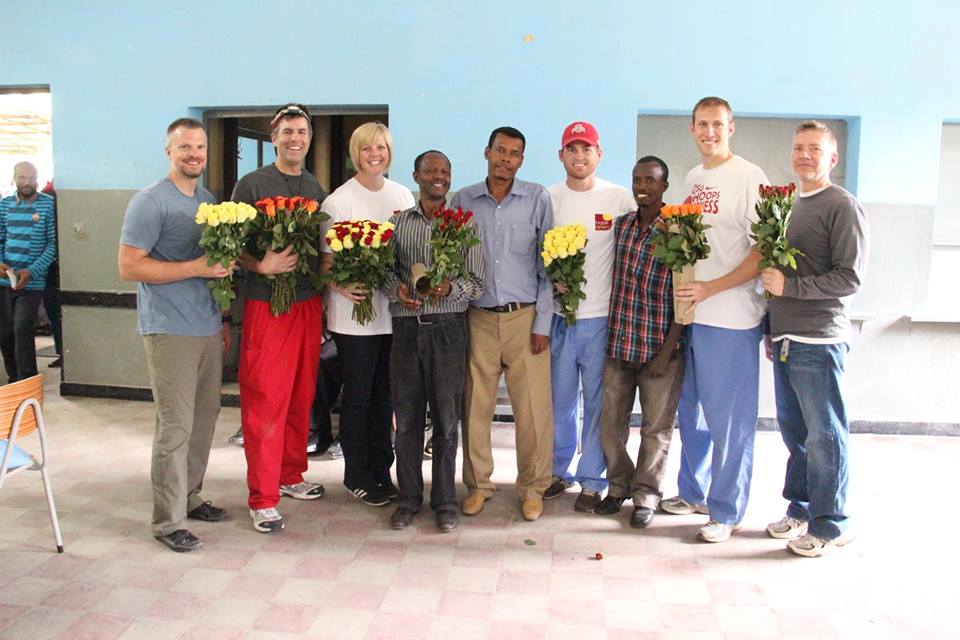
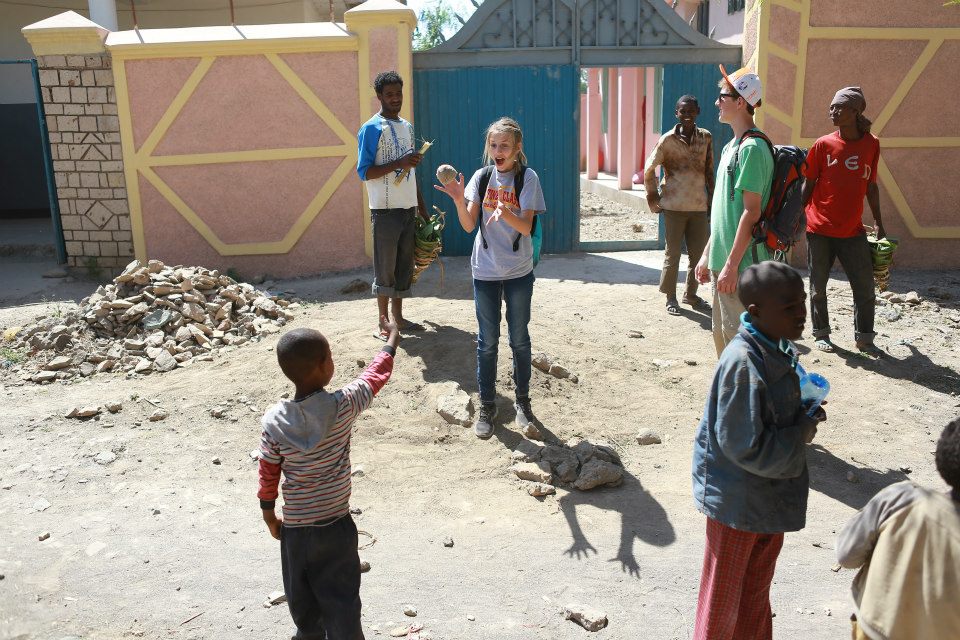
     This is a quote found on Hope Arising’s face book page and it is so appropriate that I had to include it here. In October, I was incredibly fortunate to travel to Ethiopia with Chantal Carr, one of two founders of Hope Arising, Dr. Chet Jenkins, and a team of 28 great people, including six teenagers. As I sit and try to write a blog about my trip, I realize that nothing I say will describe the experience nor do it justice. A picture being worth a thousand words, check out Hope Arising’s facebook page. This will offer a more accurate glimpse into the work that three humanitarians (Chantal Carr, Rochelle Sellers, and Dr. Chet Jenkins) have accomplished in a relatively short few years.

168962_110269599049601_219731_n

1385699_10201244728095170_1047959817_n1377630_538144249595465_2024507670_n1376322_10151867154699927_1506476910_n

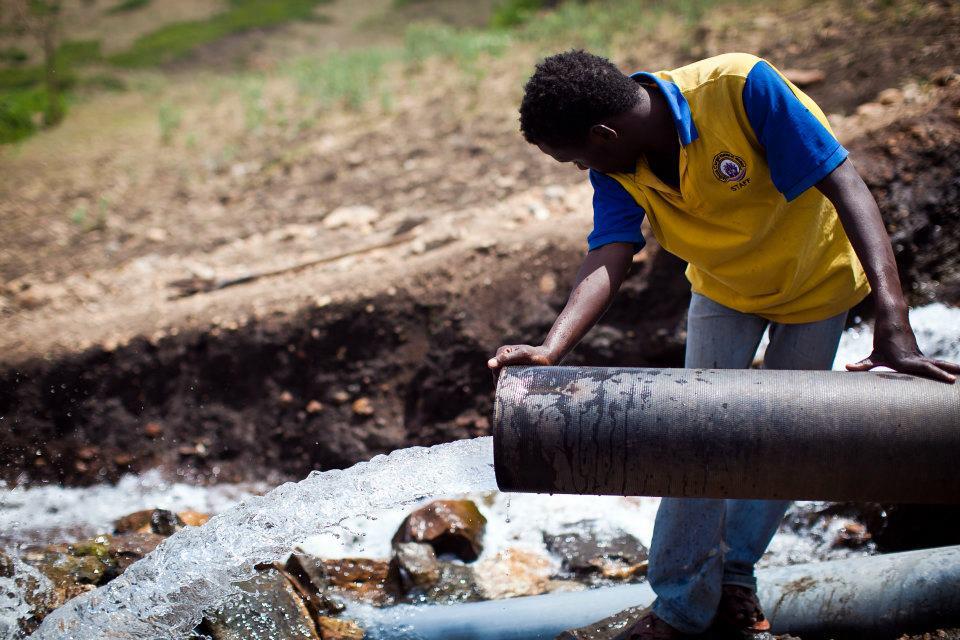
When Chantal and Rochelle visited the small village of Dera, Ethiopia in 2008, the village people were walking as many as 5 miles to wait in lines to fill cans of water. These “Jerry” cans weigh 40 lbs and elderly women and small children were also making this trek. The country was in a 16-month drought and being completely dependent on nature for its water, Dera was in distress. There was no work and children no longer attended school, as the quest for water became the only thing that mattered. We can’t fathom what having no water would be like but without it there is only starvation, despair, disease and death. The amazing story of how these two women, two regular moms from Gilbert AZ, brought water to this village is one of the most inspiring stories I’ve ever heard.

28999_448216295254928_1743604229_n206394_448213968588494_342822679_n

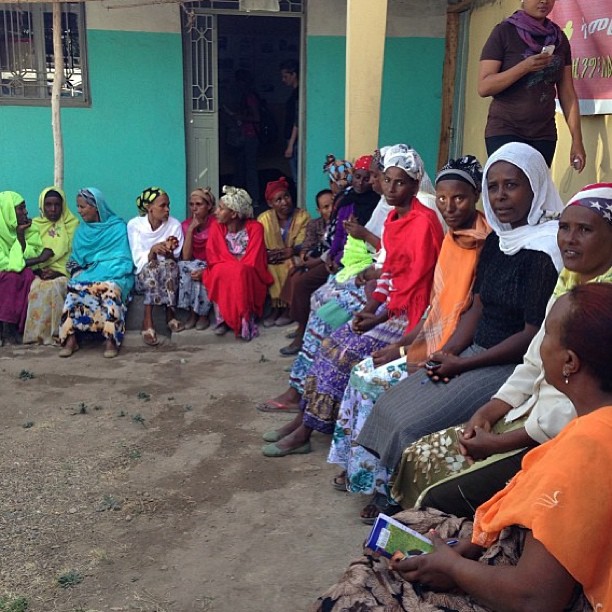
Through their efforts and compassion, a water reservoir was built. The people in a small village a world away now have hope and a future but the need is great and the work of Hope Arising continues to provide support and aid. When our team arrived in early October, we were greeted by a group of women whom had each been loaned a small amount of money to begin small businesses. They were so grateful to Hope Arising that they provided us with a celebratory meal. Self-sufficiency and independence is the goal and now these women can feed and support their families through the businesses they have started.

598392_396106360465922_2081532414_n1378716_10151867155264927_1634221609_n1378349_3597022739815_1617551911_n

559638_380776561998902_638348112_n993423_10151867154884927_339662548_n994630_10151867155149927_489736253_n

602699_441709162572308_1963408518_n

These gorgeous women came to a class where they learned how to make soap on our latest trip to Ethiopia.

156899_399008406842384_1555292071_n

Dera, Ethiopia has three elementary schools with combined capacity of over 4,700 students, a middle school, and a high school. Children attend in four hour blocks so everyone can have a turn going to school. When we first visited Agriti Elementary school with 1,600 children, they had no library and no books. Volunteers raised $500 and the school now has a bookshelf full of books, aptly called the library.

3736_381557475254144_732765040_n

185054_380776438665581_996502565_n47910_380776421998916_1274895624_n

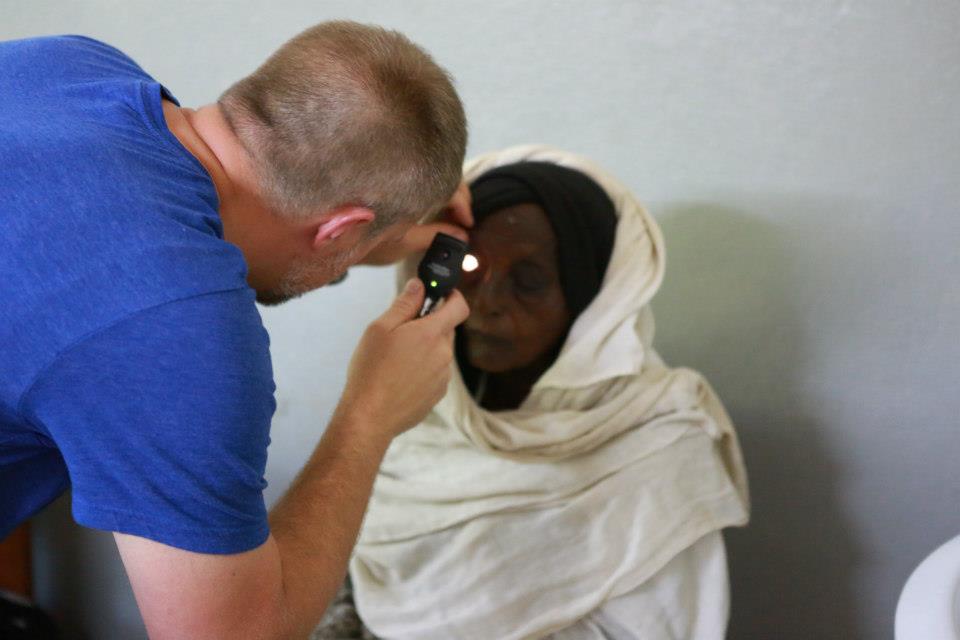
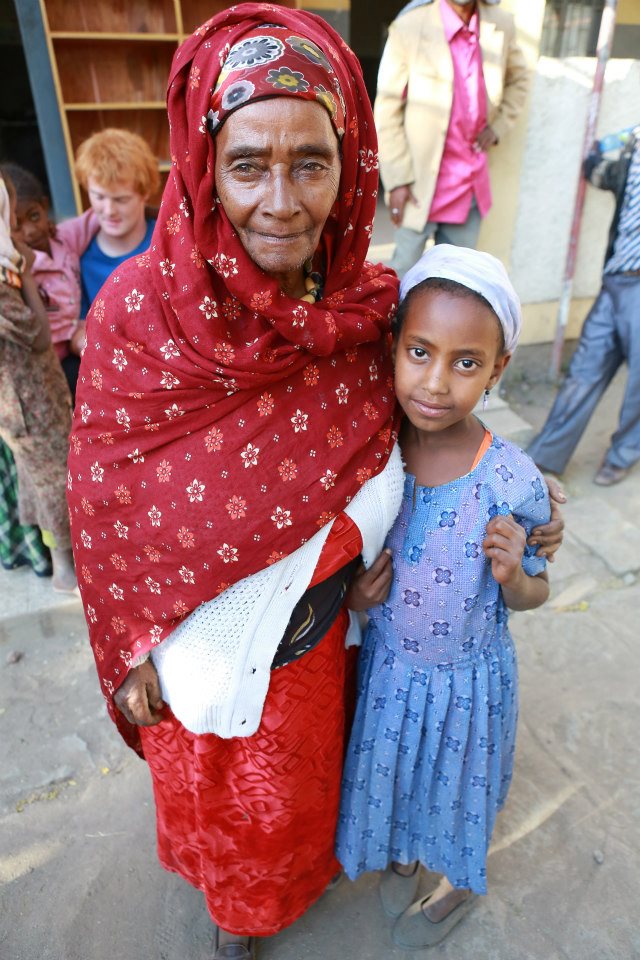
The woman with trachoma getting fitted for her glasses.

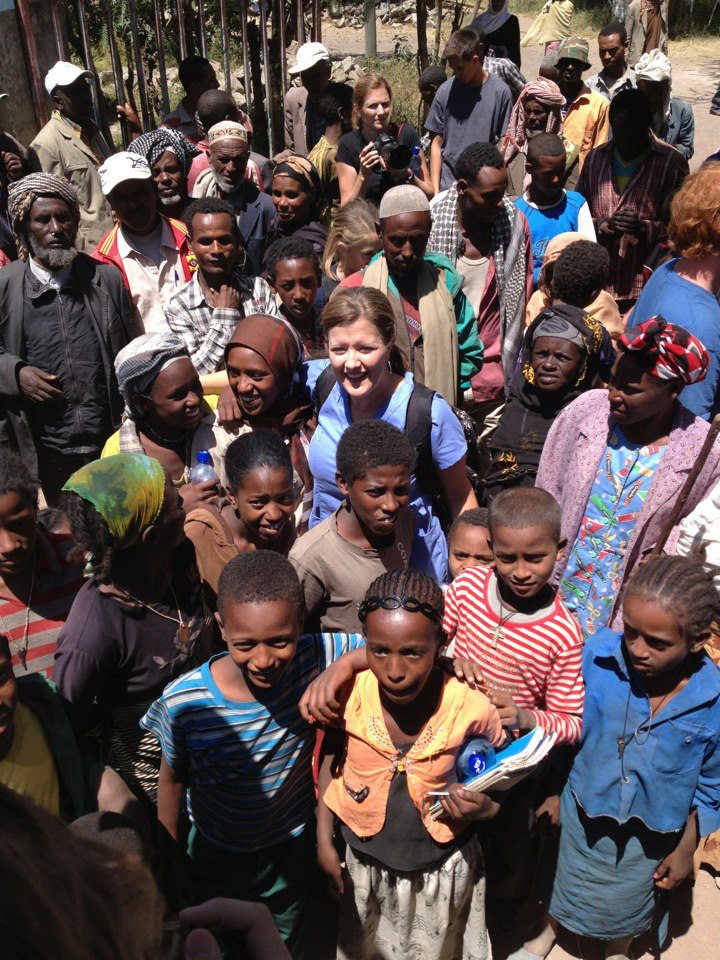
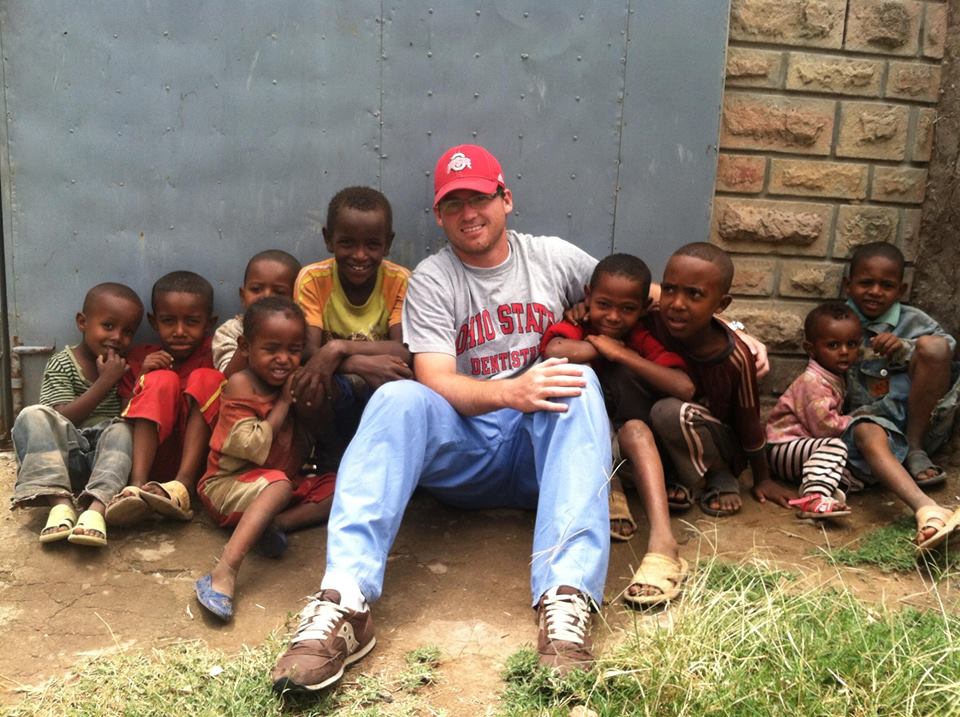
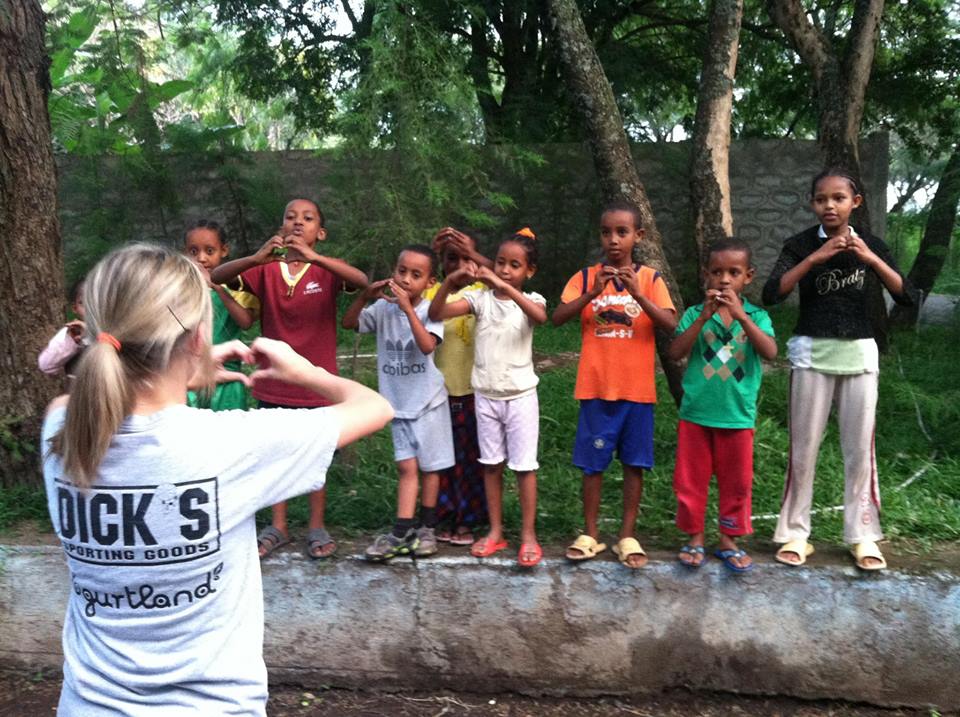
I found the people in Ethiopia to be literally beautiful, despite extreme poverty and suffering. They have so little and yet they are a happy, gracious and proud people. Many of the children are orphaned (actually 6 million in Ethiopia) but like children everywhere, they sing and laugh and love to play. They literally have nothing…if they have a ball, it is homemade, stitched and stuffed at home. Simply taking a picture of them thrilled them, as most have never seen a reflection of themselves. This is true even of the adults. Can you imagine never having seen yourself in a mirror?

1375941_10151867154064927_870838758_n1379249_10151867154429927_1921258141_n

561708_379967355413156_1579275203_n68610_399007566842468_1593627598_n522830_379972448745980_1091499223_n

420911_380776791998879_90035376_n487088_380776465332245_956943901_n

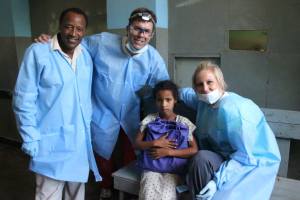
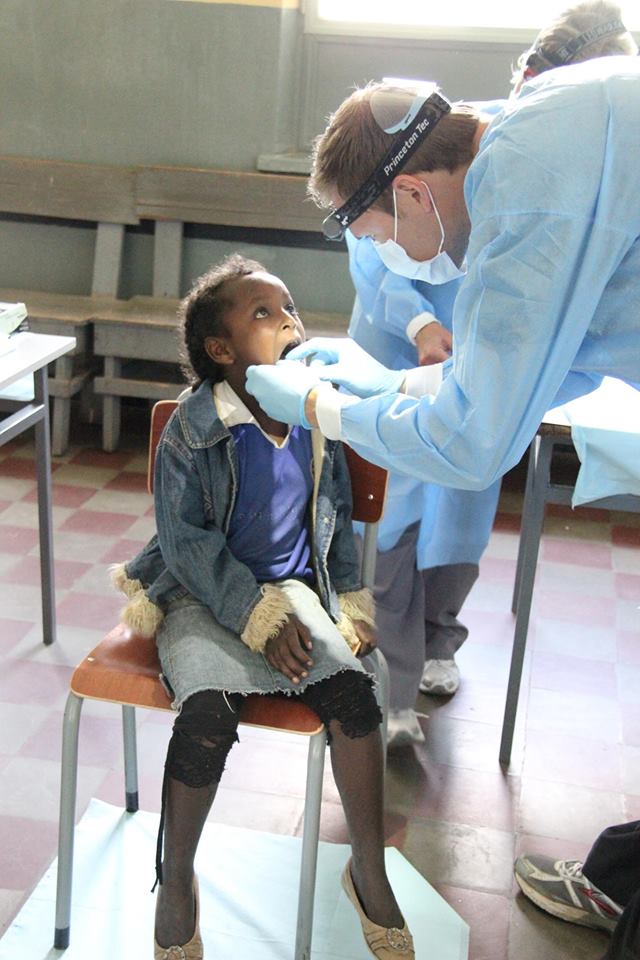
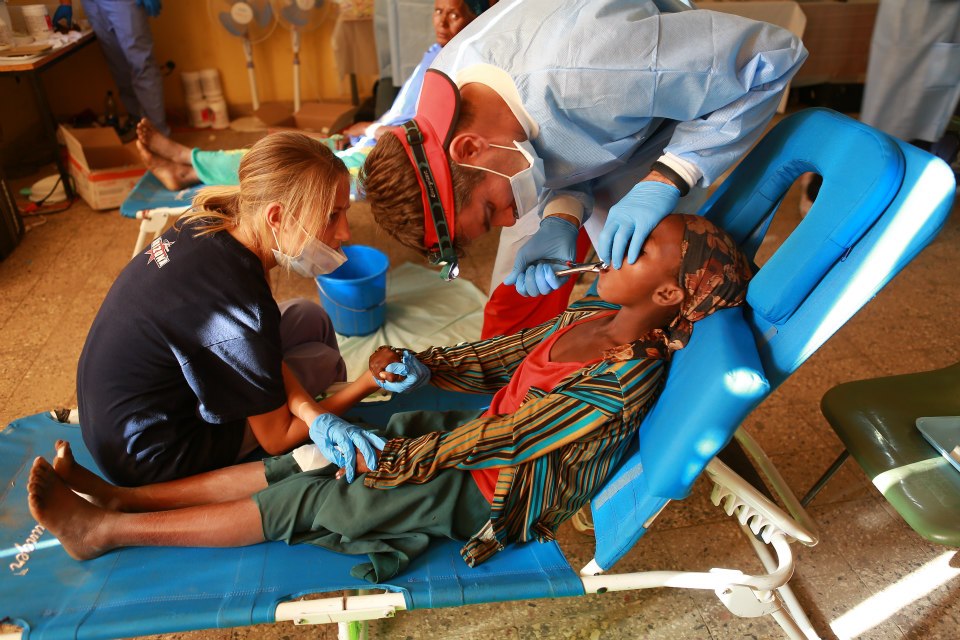
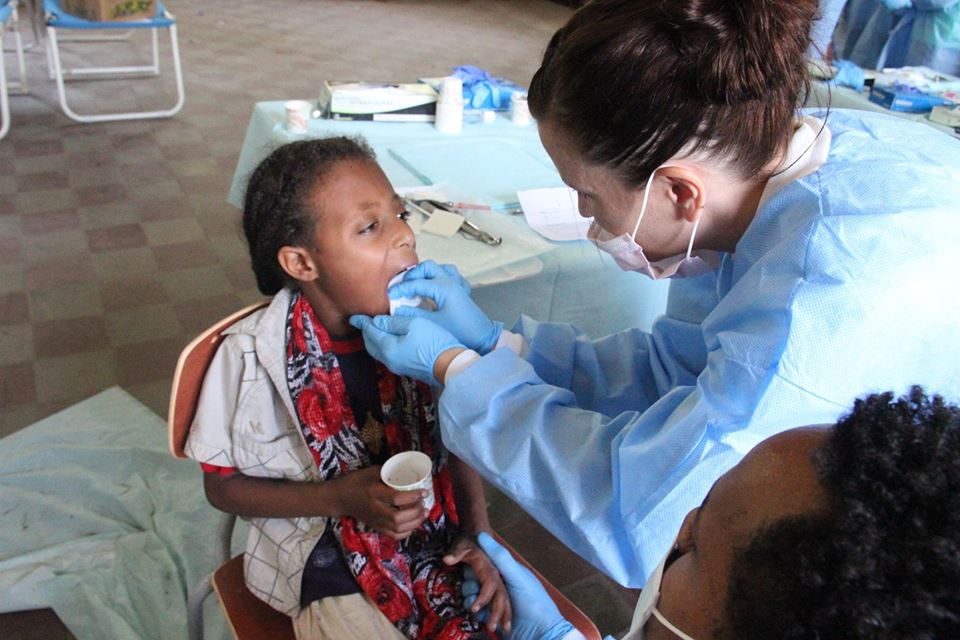
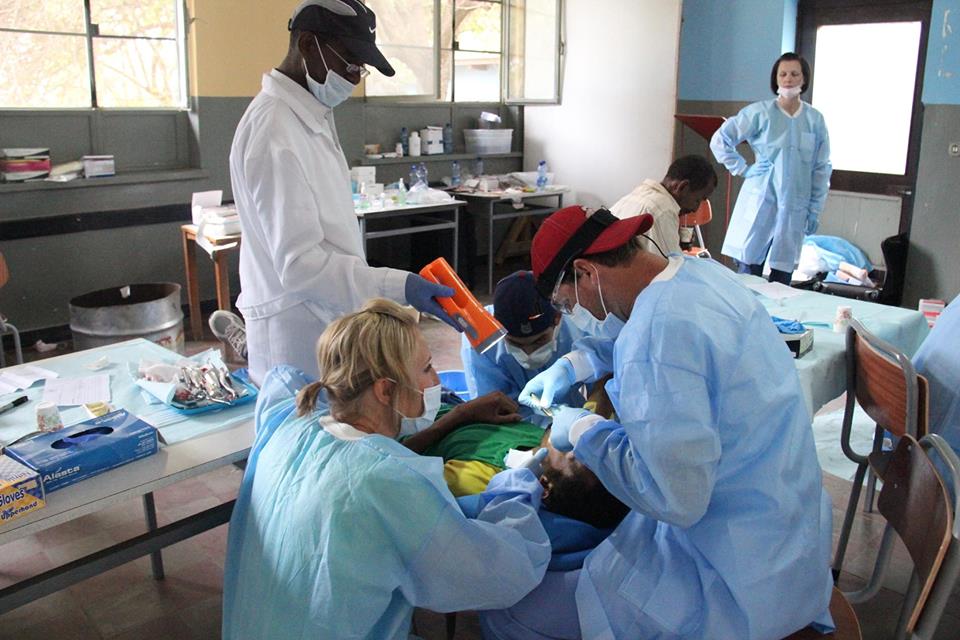
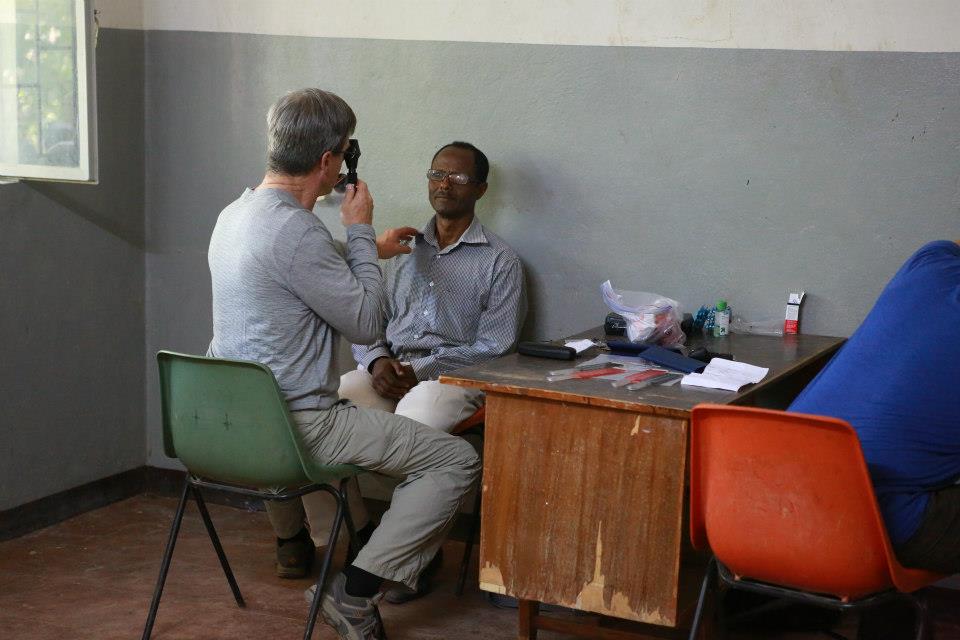
What Hope Arising has accomplished is nothing short of incredible and it was my complete honor to have been a small part of it. Our dental team treated over 500 people and the eye team saw 736 patients. Many patients received glasses for the first time in their lives. The most difficult part of the trip was leaving, knowing that there were still many hundreds needing our help. If you have the ability to join this incredible organization please do so. There are many ways to help throughout the year, from donating your time, helping with the annual golf tournament, or running in a mud run. You can sponsor a family with a small monetary monthly gift. Go with them as part of the team sometime soon! It doesn’t matter what your strengths, experiences and talents are, there is a job for you and you will work hard. But it will be the best work and one of the most satisfying experiences of your life. And, who knows, you might just find yourself in the process. At the very least, you will come home with a different perspective on what a bad day really looks like.

72294_416239901785901_176579018_n