What is a Filling?

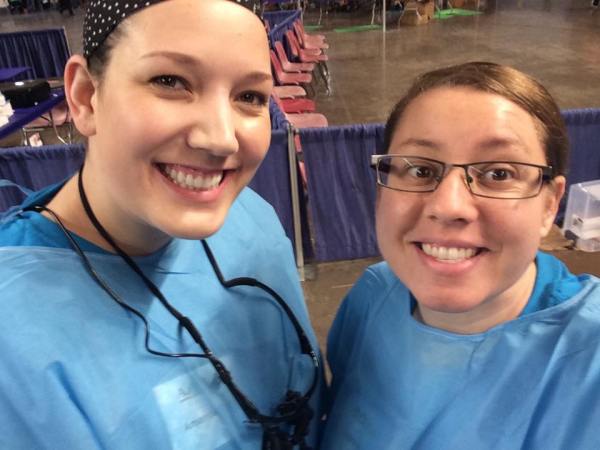
FullSizeRender

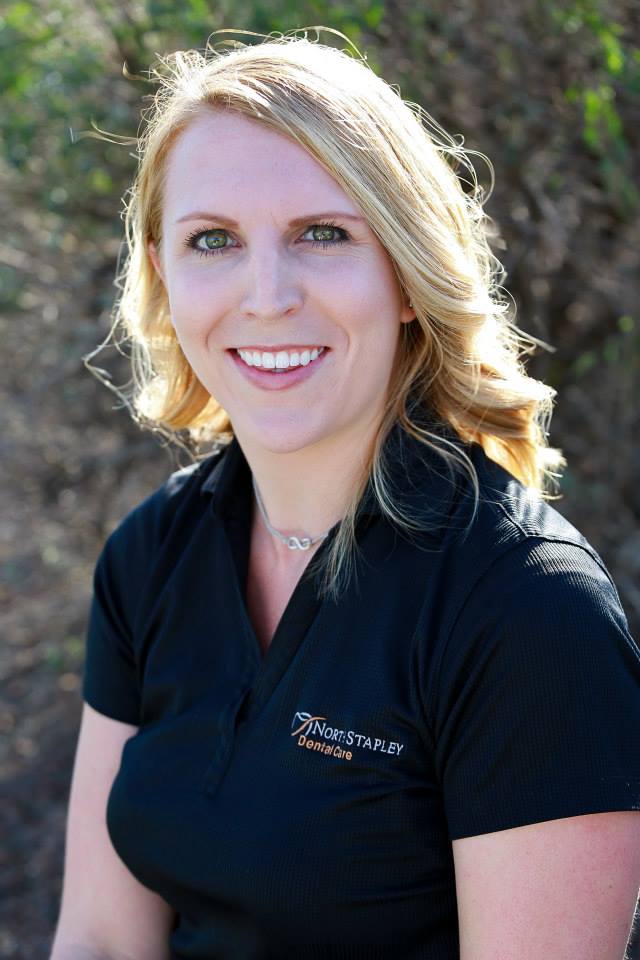
Cortney Davis , RDH

What is a Filling?

A filling is a way to restore a tooth that has been damaged by decay back to its normal function and shape. Fillings also can be used to treat teeth that are broken, cracked, or been worn down by misuse (such as tooth grinding)

How do I know if I need a filling?

There are many indications you may need a dental filling. They include; a toothache, sharp pain, a rough tooth, a dark spot or hole you can see or feel, food getting stuck in between your teeth, floss getting caught when flossing, or a chipped tooth. Many believe that you have to be in pain to have a dental problem. Sadly, this is often not the case. Dental decay has the inconvenient trait of being almost painless or mildly painless in its early stages. Generally, dental decay becomes painful over time if it hits the nerve. At that point, a filling is not possible, and a more extensive and costly procedure like an extraction or root canal is required.

How will the dentist determine if I need a filling?

There are several different ways a dentist will determine if you need a filling. The first way is to take x-rays of your teeth.  X-rays can show decay developing in the enamel on the sides of the teeth that come together. Secondly, the dentist will observe your teeth. You can’t always see cavities on an x-ray, so your dentist will observe your teeth visually. Your dentist will use an instrument to probe for tooth decay. Teeth that are healthy will be hard and will resist pressure to the instrument. Teeth that are decayed will be softer and will have a stick in the affected area.

What are the types of fillings?

1)    Composite (resin) fillings-Most commonly used today, composites are fillings that are matched to the same color as your teeth and used where a natural appearance is desired.

2)    Amalgam (silver) fillings- Amalgam fillings are made up of a mixture of mercury, silver, tin, and copper. They are durable and resistant to wear. But because of their dark appearance they are usually not used in visible areas. Many people think that amalgam fillings are unsafe and want to replace them. There is no evidence that amalgam fillings can cause a problem and should only be replaced if there is recurring decay or if the tooth is broken or worn down.

3)    Gold fillings- are made to order in a laboratory and then cemented into place. Gold fillings are very durable and may last more than 20 years, but are often the most expensive.

What is the process of a filling?

If it is determined you need a dental filling your dentist will numb the tooth and remove all the decay and clean the area that is affected. The cleaned out area then will be filled with a material described above, typically a composite filling.

So remember,

If you have been told in the past you need fillings or think you may need a filling, please don’t delay! Teeth problems will not miraculously heal and delaying treatment can lead to larger problems, more time in the dental chair, and more expensive treatment.

Want to learn more? Visit us at

http://www.shalimarfamilydentistry.com

http://www.northstapleydentalcare.com

http://www.alamedadentalaz.com

http://www.dentistingilbert.com

Sources:

http://www.colgate.com/en/us/oc/oral-health/procedures/fillings/article/what-is-a-filling

http://www.colgate.com/en/us/oc/oral-health/procedures/fillings/article/fillings-the-basics

http://www.webmd.com/oral-health/guide/dental-health-fillings

Why are My Teeth Yellow?

IMAG2810951

Nora Torrez, RDH

Why are my teeth yellow?

What causes teeth stains?

Four classifications:

Extrinsic stains:  is when our enamel becomes stained. The main causes would be coffee, wine, soda, dark colored beverages or smoking.

Intrinsic stains:  is when our dentin (inner structure of tooth) darkens or has a yellow tint. This often occurs due to trauma.

Exogenous stains:  May be extrinsic or intrinsic. It occurs once the tooth has developed.

Endogenous stains:  happens during the development of the teeth. Tetracycline (antibiotic) stains is one of the common causes. If the antibiotic was taken during the development stage it binds to the dentin causing a grey or brown color. Best treatment for this type of staining would be crowns or veneers.

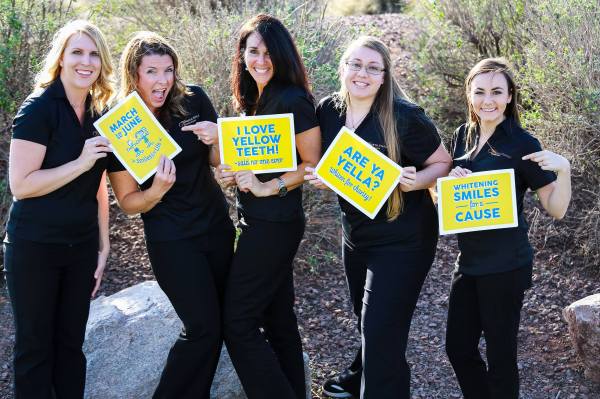
Stains that are on the enamel may be removed by your Dental Hygienist.  Professional whitening can also help. In office bleaching or take home trays.  Check out this recent blog about our Smiles for Life program, going on until June 30th.

Poor homecare can also cause our teeth to appear discolored. Thick, heavy plaque will appear yellow if left on teeth.

Make sure you are on track with your homecare! Brushing twice daily, morning and before bed. Make sure you are doing it 2 minutes each time. And don’t forget the flossing before bed.

If you drink coffee, wine or tea regularly using a straw or rinsing with water afterwards can help with the staining.

If you have any questions do not hesitate to ask your Dental Hygienist or Dentist at your next visit.

Want to learn more? Visit us at

http://www.shalimarfamilydentistry.com

http://www.northstapleydentalcare.com

http://www.alamedadentalaz.com

http://www.dentistingilbert.com

Sources:

www.oralb.com

www.colgate.com

www.rdhmag.com

What are your Tooth Fairy Traditions?

Sharma RDH
Sharma Mulqueen RDH
What are your Tooth Fairy Traditions?
The tooth fairy is one of many childhood fantasy figures we remember fondly. We lost our baby teeth, stuck them under our pillow, and the mysterious tooth fairy would swap our teeth out for money or maybe
a special toy! What could be better than that?
The tooth fairy isn’t quite the same for everyone though!
The legend of the tooth fairy has changed over the years and even varies widely around the world. Let’s learn a little bit more about other tooth fairy traditions!
The Tooth Fairy Legend Began with Ancient Superstitions
Before the tooth fairy went looking under our pillow for baby teeth; she used to look in the ground! In early Europe, burying or burning baby teeth was a precaution taken against witches. It was believed that if a witch got a hold of one of your teeth, they could have complete power over you!
Along with a fear of witches, children were instructed to burn their teeth so that they could have a peaceful afterlife. It was believed that if a tooth wasn’t incinerated, the person would be doomed to spend eternity searching for them. As you can imagine burning their teeth was very important!
The Vikings didn’t want to destroy baby teeth, however. They even paid for them! In Norse culture, children’s teeth were believed to bring good luck in battle, so many warriors had necklaces made of children’s fallen out teeth!
The Tooth Mouse Might Be More Popular that the Fairy
In many Spanish speaking and French speaking countries like France, little children place their tooth under their pillow. Instead of the tooth fairy, they wait for the “Tooth Mouse” to come and take their tooth away and replace it with money.
What is the Tooth Mouse Called?
In French speaking countries, the tooth mouse is called La petite Souri
In Spanish speaking countries it is called
el Ratoncito Perez=Perez the mouse (Argentina, Spain)
el Raton=Little mouse= (Venezuela, Mexico and Guatemala)
Tooth Bunny
Instead of a tooth fairy or tooth mouse, El Salvador has a small bunny that comes for their baby teeth.
Tooth Tossing
In Middle Eastern Countries like Iraq, Jordan and Egypt. It is customary for the children to throw their lost teeth towards the sun, asking they send them a new, stronger tooth.
The Dominican Republic, Ethiopia, and Botswana throw their teeth onto a roof in hopes that a mouse will take the teeth from the roof and replace them with teeth that are strong like a rodent’s.
In some Asian countries, when a child loses a tooth, they give it a toss. In India, they toss it onto the roof. In Japan, they throw it straight up into the air if it came from their upper jaw, and straight down if it came from their lower jaw. Why? To ensure their new adult teeth grow in as straight as possible.
How Our Modern Tooth Fairy Came to Be
As with many American traditions, the tooth fairy has roots in European folklore. Instead of burying our teeth in the ground, we “bury” our teeth under our pillow! It is said that our modern conception of the tooth fairy came about in the early 1900s. With the help of Walt Disney’s beloved fairy characters, the idea of a tooth fairy gained popularity and became what it is today! Today’s going rate for a tooth is $3.19.
The Tooth Fairy Plays an Important Role for Children
The legend of the tooth fairy is likely still so prevalent because it helps comfort children when they lose their teeth, an experience that can be traumatic for some. When a child losses his/her teeth it can be a scary moment. Parents can comfort their children by congratulating them on losing a tooth. Bed time will be lots of fun preparing the tooth for pickup! The tooth fairy helps them see this big step as a positive experience and a sign that they are growing up!
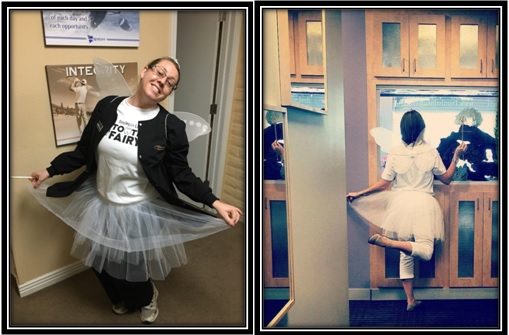
From time to time you may be in one of our Signature offices and may spot a Tooth Fairy. Keep your eyes open.
 Tooth Fairy
If you have any questions regarding your children’s teeth, please call one of our offices and we will be glad to help you.
Sources:
http://www.toothfairysmilesatnight.com
http://www.worldcat.org/title/toothtraditionaroundtheworld

Flossing: More Than Just a Guilt Trip

AriannaM

Arianna Ritchey, RDH

Flossing: More Than Just a Guilt Trip

As a part of a regular preventive or periodontal maintenance visit with your dental hygienist, the topic of flossing usually comes up.  Most people have at least heard of flossing, and while some people floss regularly, most patients I see report flossing less than the ADA recommended once per day.  More often, people fall into the categories of flossing “once in a while” or “once in a blue moon.”  While some people are embarrassed to admit this to their dental hygienist, the condition and health of your gums reveal a lot about your oral hygiene practices at home without you saying a word.  (We can also read minds…just kidding.)

So, if most people have heard about flossing, and are reminded of it semi-annually by their dental hygienist, what is preventing them from actually cleaning between their teeth on a regular basis?

Maybe they don’t realize the impact that flossing has on the health of their gums and prevention of early tooth loss.  Maybe it’s difficult for them to manipulate string floss (it’s harder than it looks).  Maybe they are super busy (who isn’t?) and can’t find time to track down some floss and use it between their teeth.  Maybe they ran out of the sample-size floss their hygienist gave them a their last visit.  Maybe it hurts when they floss because their gums are inflamed, so they avoid the pain.  Maybe they are really committed and diligent for the first while, and then life gets in the way and they fall out of the habit.  All of these are totally understandable reasons, and I’ve been there.  (Hygienists are human, too!)

The good news is, your dental hygienist is interested in helping you to keep your mouth and gums healthy, and offers a judgment-free-zone to learn how to properly perform oral hygiene techniques, like flossing, and to help you come up with some ways to integrate flossing into your daily routine.  (Floss in the shower, floss while watching the intro to your show on Netflix, floss while on Facebook or scrolling through Pinterest, floss while at a red light on your commute, etc.)

The other awesome thing your dental hygienist does for you, is giving you a clean slate to work with!  When your dental hygienist cleans your teeth by removing the plaque and calculus (calcified plaque) from your teeth, they are removing the bacteria that are causing the inflammation, pain, and bleeding in your gums.  (Hooray!)  Once these irritations are removed, the gums have a chance to heal, and by properly cleaning your teeth at home (brushing and flossing), you can keep them healthy.  When the gums are healthy, they don’t hurt, they don’t bleed, they are easier to floss, and you have a faster, easier dental hygiene appointments. (Even when your hygienist is gentle, nobody enjoys being in that chair.)

If you’re still reading, check out this video my former classmates and I produced that demonstrates proper flossing technique and briefly explains why flossing is important.  It’s a little cheesy, but definitely educational.  Make sure your sound is on, there’s some great instruction and music.  

After watching this video and practicing at home, if you’re still having difficulty with string floss, try some other interdental cleaners!  Here’s a great article that talks about lots of interdental cleaners and how to use them (scroll about halfway down).  

Remember, the best interdental cleaning tool is the one that you actually use consistently; if string floss just isn’t your thing, talk to your hygienist at your next visit, and we’ll be happy to give you some samples to try.  Happy flossing!

Want to learn more? Visit us at

http://www.shalimarfamilydentistry.com

http://www.northstapleydentalcare.com

http://www.alamedadentalaz.com

http://www.dentistingilbert.com

Sources:

https://dentistrydonedifferently.com/2015/03/22/what-is-a-periodontal-maintenance/

http://www.ada.org/en/science-research/ada-seal-of-acceptance/product-category-information/floss-and-other-interdental-cleaners

https://dentistrydonedifferently.com/2013/10/14/tooth-brushes/

youtube.com/watch

https://dentistrydonedifferently.com/2014/05/19/flossing-do-i-have-to/

I am a Dental Hygienist

PeggyS

Peggy Crooper, RDH

I am a dental hygienist… and I love what I do.

I am a dental hygienist. I am not a dental assistant and I am not a dentist.

“Yes, I am qualified to do this. Yes, I am licensed to do this. Yes, I went to school for this. Yes, what I told you is true”.

RDH3

I am a dental hygienist.

No, I do not “just clean teeth.”

Yes I do scale above and below your gum tissues to remove calculus, bacteria, and plaque from your teeth.

Yes I do polish your teeth.

Is that all I do? I will let you decide.

image

I am a dental hygienist.

I give multiple injections to make sure you are comfortable.

I administer nitrous oxide to make sure you are not nervous.

I take x-rays of your teeth to detect bone loss, decay and restorations.

I take complete comprehensive health histories; I take your vital signs, perform oral cancer screenings and periodontal exams to ensure not only your oral health, but your overall health.

I counsel and motivate you with tobacco cessation, nutritional counseling and oral health care. I recommend you seek medical attention if it is in your best interest.

I treat your children and I apply fluoride and sealants to save you the time, pain and expense that comes with tooth decay.

I help you achieve that whiter smile and fresh breath to give you more confidence. We know that gum disease has a contribution to other diseases, such as heart disease, diabetes, and stroke.  We are learning more everyday about this systemic link and I educate you about this link.

But I “just clean teeth.”

RDHs

I am a dental hygienist.

They tell me it is not a real job. They don’t know that I went to school and have a degree.

Some have devalued my profession. Many do not even know that we are a profession.

They do not even know what to call me.

image

I am a dental hygienist.

I have been trained to respond to medical emergencies and give CPR.

I have learned and understand how to treat a variety of patients.

I research their medical conditions, accommodate their special needs and put their concerns as a priority.

I have extensive knowledge of the general sciences, Anatomy, Microbiology, Human Development, Pharmacology, and Psychology.

I have to be well versed in oral pathology and I look for signs of oral disease, pathology, and cancer.

image

I have learned to take multiple forms of x-rays and I am able to understand and explain pathology if present.

I have developed the extremely difficult skill and techniques of scaling that strains my hands, my neck, and my back while making sure you are not in pain.

I am a dental hygienist.

They say anyone can do what I do.

They say its “just a cleaning.”

image

I am a dental hygienist.

To be considered for Dental Hygiene school, I made A’s in Biology, Microbiology, Chemistry, Anatomy, and Physiology. I took 2 years of higher-level courses in Psychology, Mathematics, English, and other required course work.

Once accepted, I had 2 years of intensive clinical training, alongside detailed courses in Head and Neck Anatomy and Physiology, Oral Pathology, Pharmacology, Dental Anatomy, Human Development, and Public Health.

I had countless clinical examinations.

I had someone watching over my shoulder while I tried not to shake.

I had 50 patient cancellations and no-shows.

I often had to pay my patients to allow me to treat them.

image

I had anxiety and cried weekly.

I still have nightmares about school a year after graduation.

I took 5 licensing exams, while my nursing friends took one.

I paid thousands of extra dollars for my dental instruments, licenses, and loupes on top of my tuition. I will be paying student loans for years. And now that I am working and out of school, I must continue to take multiple courses every year to remain current and to maintain my licenses.

image

I am a dental hygienist.

They thanked me.

They brought me homemade gifts.

They cried out of gratitude.

They recommended their friends and family.

They requested me.

They told me all about their life, their joys and their sorrows.

They grew to love me and I them. They know that I care about them.

image

I am a dental hygienist.

I work in a private practice.

I work in schools.

I work in hospitals.

I work in retirement homes.

I work in jails.

I travel to other countries delivering care.

I travel to group homes for those with special needs.

I travel to multiple events to volunteer my time to helping my community.

I am a dental hygienist, and I may be underappreciated.

But I love what I do.

image

When I do get those patients who are thankful for my help,

I am reminded of why I chose this profession.

When I find oral cancer,

or help someone control their periodontal disease,

or help someone quit smoking,

I know I make a difference.

So whether or not you know and appreciate what I do,

I know my role in prevention of disease.

I know my role in promotion of health. I know that I am a clinician, an educator, and a health care professional. And I know that I love what I do.

Amanda Andra AZ MOM

Want to learn more? Visit us at

http://www.shalimarfamilydentistry.com

http://www.northstapleydentalcare.com

http://www.alamedadentalaz.com

http://www.dentistingilbert.com


What are those white spots on my teeth?

AnnC

Ann Clark, RDH

                                                                                                      What are those white spots on my teeth?

Dental fluorosis is not a disease but a permanent cosmetic condition affecting the way the teeth look.  It occurs when baby and permanent teeth are forming under the gums.  Once erupted, teeth cannot develop enamel fluorosis.  This condition is caused by overexposure to fluoride during the development stage of the tooth.  After their eruption into the mouth, teeth may appear discolored;  such as: lacy white markings, yellow to brown stains, surface irregularities, or pitting into the enamel.

Causes
A major cause is inappropriate use of fluoride products such as toothpaste and rinses.  Children are offered products with some fun flavors.  They are known to eat and swallow them so remind them to spit out.  Taking a higher than recommended supplement can also cause fluorosis.  The perfect amount is already regulated into the water where it occurs naturally.  Symptoms of fluorosis range from small white specks or streaks to dark brown stains and rough, pitted enamel.  A normal healthy tooth is smooth and glossy and a pale creamy white.

Treatment
Most cases are mild not requiring treatment.  White spots are considered moderate if more than 50% of the surface is affected  and severe if pitting occurs.  The appearance can be improved by various technique options aimed to mask stains.  Such techniques may include:
Teeth Whitening and other procedures to remove the surface staining.  Initially whitening can temporarily worsen the appearance.
Bonding: a coating over the enamel bonded with a hard resin.
Crowns
Veneers: custom-made facings that cover the front of teeth.
MI Paste: a calcium phosphate product sometimes combined with a micro abrasion procedure to minimize discolorations.

Prevention
Parental care is the key to preventing fluorosis.  If you drink well water, which is not regulated, or bottled water,your public health department or local laboratory can analyze the fluoride content.
Fluoride is also in some fruit juices and sodas, so knowing the water content will help you decide whether or not a supplement is needed.  Also, keeping fluoride containing products, like toothpaste, rinses and supplements out of children’s reach is recommended.  Ingesting a large amount of fluoride in a short period of time may result in nausea, vomiting, diarrhea or abdominal pain.  Only a small pea-sized amount of toothpaste is needed for each time you brush.
Encourage your child to spit out and not swallow.

Want to learn more? Visit us at

http://www.shalimarfamilydentistry.com

http://www.northstapleydentalcare.com

http://www.alamedadentalaz.com

http://www.dentistingilbert.com


Sources:

webmd.com Fluorosis:Symptoms, causes, and treatments

American Academy of pediatric Dentistry:”Enamel Fluorosis”
Kidshealth.org: “Fluoride in Water”
Reuters Health:”U.S. Lowers Limits for Fluoride in Water”
National Institute of Dental and Craniofacial Research:”The Story of Fuloridation”
SimpleStepsToBetterDentalHealth.com:”Fluorosis”
CDC:”Prevalence and Severity of Dental Fluorosis in the United States, 1999-2004″

Dry Mouth…What Should I Do?

KO6A0979-Edit[1]

Wendy Parker, RDH

Dry Mouth…What Should I Do?

            I know we live in a desert, but our mouths don’t have to BE a desert of dryness!  The first step is to figure out where is the dry mouth, also called xerostomia, is coming from.  There are several factors that can contribute to dry mouth including damage to the salivary glands, medications or medical conditions, and life style habits such as smoking, drinking, or alcohol or caffeine use.  There are so many variables and sometimes it’s a combination of a couple of factors.

Often times, there is nothing you can do to reverse dry mouth, however, here are some of the things you can do to relieve the symptoms of dry mouth (1):

  • Be sure to REGULARLY take sips of water throughout the day. Keep a water bottle with you at all times.
  • Practice good Oral Hygiene – brushing 2x daily and flossing 1x daily. You can also use mouth rinses WITHOUT alcohol in them.  The alcohol will dry out the mouth and makes symptoms worse.
  • Avoid smoking
  • Chew Sugar-Free gum or suck on Sugar-free lozenges
  • Limit alcohol, caffeine, and sugar intake

There are several companies that provide products that aid in dry mouth relief.  Some products and brands work well for some while others work better for others.  It truly is a trial and error process to see what works best for you.

Biotene is one of the biggest companies that focus on relieving dry mouth.  They have an array of products ranging from mouth rinses to chewing gum to saliva substitute.  It is sold in several stores, including Target and Walgreens.  Xylitol also has a variety of products that you can order including nose sprays, toothpastes, mints, and artificial sweeteners. (2) And of course, there are natural remedies that can help relieve symptoms as well.  Here is a good website that has a variety of things you can try to see if they alleviate any discomfort. (3)

http://health.howstuffworks.com/wellness/natural-medicine/home-remedies/home-remedies-for-dry-mouth1.htm

Dry mouth is NEVER easy to deal with, but hopefully with time and a little patience you’ll find something that will work for you.  If you need more suggestions, please don’t hesitate to ask your hygienist or dentist for other solutions.

Want to learn more? Visit us at

http://www.shalimarfamilydentistry.com

http://www.northstapleydentalcare.com

http://www.alamedadentalaz.com

http://www.dentistingilbert.com

Sources:

  1. https://www.biotene.com/dry-mouth-health-impacts/dry-mouth-relief/
  2. http://www.epicdental.com/?utm_source=bing&utm_medium=cpc&utm_campaign=xylitol-products
  3. http://health.howstuffworks.com/wellness/natural-medicine/home-remedies/home-remedies-for-dry-mouth1.htm

How Does Oral Cancer Happen?

KO6A0990-Edit

Andra Mahoney BS RDH

Two weeks ago, Becky gave us some great info raising our Awareness to Oral Cancer.  She touched on the importance of screenings and mentioned the risk factors.

But How Does Oral Cancer Happen?

According to the Oral Cancer Foundation, about 48,000 people are diagnosed each year.  Of those, about 9,500 people will loose their battle with oral cancer.  Of the 48,000 people diagnosed, only 57% of them will be alive 5 years after diagnosis.  Sadly, the number of diagnosis and deaths have not decreased over the last decade.

Let’s review the risk factors in detail…

Age

Probability dictates that the older you get, the more likely you have a chance of getting cancer.  Therefore, age will be a risk factor.  Oral Cancer is more often detected in those over the age of 40.  However, this statistic is changing with the prevalence of HPV.  We will talk more about this in a following section.

Although age does play a part, around 91% of all diagnoses of Oral Cancer are linked to “lifestyle” choices.
These following risk factors will show us why.

Sun Exposure

Excessive and unprotected exposure to the sun is linked with cancer in the lip area. To reduce your risk of lip cancer, decrease your unprotected exposure to sunlight and other sources of ultraviolent (UV) radiation.  (1)

Sun exposure and other sources of UV radiation can damage lip cells.  This damage can cause them to multiple when naturally they should die.  Fast reproduction of abnormal cells is how we classify cancer.

Tobacco Use (use of any kind, including cigarettes, cigars, pipes, chewing tobacco and snuff, among others)

The report from the Institute of Medicine (2007) says that tobacco kills more Americans annually than AIDS, alcohol, cocaine, heroin, homicides, suicides, car accidents, and fires combined.

Nationally, tobacco contributes to about one-third of U.S. cancer, one-quarter of heart disease and about 490,000 premature deaths each year. Tobacco is a known cause of lung, bladder, mouth, pharyngeal, pancreatic, kidney, stomach, laryngeal, and esophageal cancer. About ten million people in the U.S. have died from causes attributed to smoking and tobacco use (including heart disease, emphysema, and other respiratory diseases) since 1964. Tobacco is the most global cause of cancer, and it is preventable. (2)

There are thousands of chemicals contained in a single cigarette, and their point of entry is the mouth.  Smoking helps to transforms saliva into a deadly cocktail that damages cells in the mouth and can turn them cancerous. (3)

If you would like help on quitting, please check out the resources on this page: http://smokefree.gov

Alcohol Use

People who consume approximately 3.5 or more alcoholic drinks per day, or 21 drinks in a week, have at least a two to three times greater risk of developing cancer than nondrinkers. (4)

Those who both smoke and drink, have a 15 times greater risk of developing oral cancer than others.

Alcohol’s effect on the mouth may be the key to understanding how it works with tobacco to increase the risk of developing cancer. The dehydrating effect of alcohol on cell walls enhances the ability of tobacco carcinogens to permeate mouth tissues; additionally, nutritional deficiencies associated with heavy drinking can lower the body’s natural ability to use antioxidants to prevent the formation of cancers. (5)

HPV Infection

The human papilloma virus (HPV) is a common, sexually transmitted virus, which infects about 40 million Americans today. There are about 200 strains of HPV, the majority of which are thought to be harmless. Most Americans will have some version of HPV in their lifetimes, and most immune systems will be able to fight off the virus.  Those who get specific strains, and lack the ability to fight those strains off, are the ones who develop cancer.

The two strains that are mainly associated with oral cancer are HPV16 and HPV18.  HPV is a double-stranded DNA virus that infects the epithelial cells of skin and mucosa.

It is likely that the changes in sexual behaviors of young adults over the last few decades, and which are continuing today, are increasing the spread of HPV, and the oncogenic versions of it.  You can get HPV by vaginal, anal, or oral sex.  Condoms can limit, but do not prevent HPV.  HPV significantly increases with multiple (especially more than four) sexual partners. (6)

How to Spot it

One of the real dangers of this cancer, is that in its early stages, it can go unnoticed. It can be painless, and little in the way of physical changes may be obvious. The good news is however, that your Physician or Dentist can, in many cases, see or feel the precursor tissue changes, or the actual cancer while it is still very small, or in its earliest stages.

It may appear as a white or red patch of tissue in the mouth, or a small ulcer which looks like a common canker sore. Because there are so many normal tissue changes that happen normally in your mouth, and some things as simple as a bite on the inside of your cheek may mimic the look of a dangerous tissue change. It is important to have any sore or discolored area of your mouth, which does not heal within 14 days, looked at by a professional. Other symptoms include; a lump or mass which can be felt inside the mouth or neck, pain or difficulty in swallowing, speaking, or chewing, any wart like masses, hoarseness which lasts for a long time, or any numbness in the oral/facial region. (7)

But like any cancer, even if you do not do these risk factors, there is still a possibility of getting it. 

The best way to detect oral cancer is to do self exams and to see your Dentist regularly.  The Dental Team is the forefront in prevention and detection as their main focus is your mouth!  Your Dentist and/or Hygienist will perform a visual and tactile screening at each appointment.  If they do not, please ask for one.  There are also additional screenings available, and they can tell you more about them during your appointment.

Want to learn more? Visit us at

http://www.shalimarfamilydentistry.com

http://www.northstapleydentalcare.com

http://www.alamedadentalaz.com

http://www.dentistingilbert.com

Sources:

(1) http://www.cancer.net/cancer-types/oral-and-oropharyngeal-cancer/risk-factors-and-prevention

(2) http://www.oralcancerfoundation.org/tobacco/

(3) http://www.mouthcancer.org/risk-factors/

(4) http://www.cancer.gov/about-cancer/causes-prevention/risk/alcohol/alcohol-fact-sheet

(5) http://www.oralcancerfoundation.org/understanding/alcohol-connection.php

(6) http://www.pureeducation.org/index.asp?N=Pure-Education-Lake-Stevens-WA-HPV-Coaching&C=577&P=7764

(7) http://oralcancerfoundation.org/facts/

http://www.mayoclinic.org/diseases-conditions/mouth-cancer/symptoms-causes/dxc-20157232

http://www.oralcancerfoundation.org/hpv/

No Insurance? No Problem!

KatieM

Katie Moynihan, BS RDH

No Insurance? No Problem!

Just when you thought you couldn’t afford dental treatment because you do not have dental insurance, think again. We have you covered, and are here to help! Our offices offer an in-office savings plan for patients who do not carry insurance. This savings plan provides members preventative and diagnostic treatment at a discounted fee. Knowing how important preventative care is to keeping treatment costs low and your oral health high, we have designed our plan to reward you and your family for coming in for your regular check ups.

In-Office Savings Plan

Annual Membership Cost is paid each year by the 15th of the month during the month the patient first begins the plan with the office. This annual membership fee is due each year to remain a current savings plan member.

Annual Membership Cost

Single Member      $99/YR

Member +1            $165/YR

Member +2            $235/YR


New Patient Specials

18+ yrs – New Exam, Full Set of X-rays, Oral Cancer Exam and Routine Cleaning – $150

6-17 yrs – New Exam, X-rays, Child Cleaning, Fluoride Treatment and 2 Sealants – $150

1-6 yrs – New Exam, X-rays, Child Cleaning, and Fluoride Treatment – $100


Preventative and Diagnostic Treatments

Established Patient Exam $30 membership fee -vs- $59 full fee without insurance

Check-up X-rays  (7 films) $40 membership fee -vs- $100 full fee without insurance

Full Series or Panoramic X-ray $60 membership fee -vs- $140 full fee without insurance

Routine Cleaning (adult) $45 membership fee -vs- $102 full fee without insurance

Routine Cleaning (child) $30 membership fee -vs- $76 full fee without insurance

Fluoride Treatment $20 membership fee -vs- $47 full fee without insurance

Sealant (per tooth) $25 membership fee -vs- $45 full fee without insurance

*Periodontal Maintenance $70 membership fee -vs- $510 full fee without insurance


Restorative Treatment – tooth colored fillings, porcelain crowns, porcelain bridges, dentures, and partial dentures

First year on the plan = 20% discount off of Usual, Customary, Reasonable (UCR) Fees

Second year on the plan = 25% discount

Third year on the plan = 30% discount


Oral Surgery Treatment – extractions, implants, and bone grafts *Excludes Sedation

First year on the plan = 20% discount off of UCR Fees

Second year on the plan = 25% discount

Third year on the plan = 30% discount


Endodontic Treatment – root canals

First year on the plan = 20% discount off of UCR Fees

Second year on the plan = 25% discount

Third year on the plan = 30% discount


Periodontal Therapy – gum disease treatments *Excludes Periodontal Maintenance

First year on the plan = 20% discount off of UCR Fees

Second year on the plan = 25% discount

Third year on the plan = 30% discount


IV Sedation-

$450 – 90 minutes of sedation

$100 – 30 minutes following initial 90 minutes


Cosmetic Treatment – whitening, veneers, all porcelain crowns for front teeth, and Invisalign

10% discount off of UCR Fees


In-Office Savings Plan Disclaimer:

  • This plan cannot be combined with other office discounts such as prepayment discounts.
  • You must renew your plan the month of its anniversary to enjoy increases in % discounts for services year over year.
  • Every member on your plan must maintain the preventative care schedule of 2 exams, 1-2 sets of check up x-rays and recommended number of hygiene treatments indicated by your hygienist and dentist to maintain current % off of dental services.
  • Beyond the third year on the plan you will enjoy a 30% discount off services.  If hygiene appointments are missed or if the annual membership fee is not received the month due the % of discount resets to the 20%.
  • Payment for services including annual membership can be paid with cash or major credit card.  Outside financing with Care Credit can only be used on amount over $1000.
  • Payments are due at time of service unless arrangements are made prior to treatment being rendered.

If the cost of dental treatment is preventing you from scheduling an appointment with us, please think again. We are here to help you and provide you with all the resources you need. Our office happily accepts most insurance programs including but not limited to: Dental Dental, Cigna, Principal, Aetna, Guardian, Assurant, MetLife, Blue Cross Blue Shield, Humana, and United Health Care. We also offer OAC (on approved credit) financing such as CareCredit. With CareCredit, you can pay for treatment and procedures right away and then make convenient monthly payments. For more information about CareCredit please visit: www.carecredit.com or visit our offices and we would be happy to help you!

Want to learn more? Visit us at

http://www.shalimarfamilydentistry.com

http://www.northstapleydentalcare.com

http://www.alamedadentalaz.com

http://www.dentistingilbert.com

Oral Cancer Awareness

KO6A3321-Edit

Becky Larson, RDH

Oral Cancer Awareness

It’s April again!  Which means Oral Cancer Awareness month.  I can’t even begin to tell you how critical it is to receive regular oral cancer screenings.  Your dentist and/or dental hygienist should perform a basic screening at your six month check-ups.  We also recommend having a more in depth oral cancer screening (such as the Velscope, Oral ID, or Identafi) annually.  These more in depth screenings use florescent or ultra violet lights that can detect signs of oral cancer much earlier.  The earlier cancer is caught, the sooner treatment can begin and the better the prognosis.

Oral cancer is any abnormal growth of cells in the oral cavity (mouth).  Abnormal cell growth can be benign (no cause for concern) or malignant (can be life-threatening).  The oral cavity consists of the lips, cheek lining, salivary glands, hard and soft palates, uvula, tongue, floor of the mouth (underneath the tongue), gums, and tonsils.  The tongue and the floor of the mouth are the most common areas for oral cancer to occur.  However, the cancer can spread to other areas of the oral cavity and/or other areas of the body.

Oral cancer can manifest itself in many ways including swellings, lumps or bumps, numbness, abnormal bleeding, white patches, red patches, speckled patch, sores that do not heal, sore throat, pain when chewing/speaking/etc., changes in voice, ear pain, and dramatic weight loss.  If you are experiencing any of these symptoms please visit your dentist or primary care physician.

Risk factors for oral cancer include tobacco use, alcohol use, sun exposure, having HPV (Human papillomavirus), and a history of having oral cancer previously.  Tobacco use is the reason for most oral cancers, especially in those individuals who have used tobacco for lengthy amounts of time.  The risk increases when tobacco users become heavy alcohol drinkers.  Three out of every four oral cancers occur in people who use alcohol, tobacco, or both.  The Human papillomavirus is mainly linked to oropharyngeal cancers.  Limiting sun exposure and the use of sun screen and lip balm can help reduce the risk.  Men are twice as likely to develop oral cancer than women.  It is also important to note that more than 25% of oral cancers are found in individuals with no risk factors.

Everyone is at risk!  Make sure to visit your dentist and dental hygienist for regular oral cancer screenings.

Want to learn more? Visit us at

http://www.shalimarfamilydentistry.com

http://www.northstapleydentalcare.com

http://www.alamedadentalaz.com

http://www.dentistingilbert.com

Sources:

http://www.medicinenet.com/oral_cancer/article.htm

http://www.webmd.com/oral-health/guide/oral-cancer

http://www.cdc.gov/std/hpv/STDFact-HPVandOropharyngealCancer.htm